

Effective wastewater management is crucial for maintaining public health and environmental sustainability. As urbanization increases, the demand for robust wastewater systems has never been more critical. This article explores essential components of wastewater management, focusing on drain line installations, septic tank repairs, and other innovative underground solutions. Drain Line Install: Ensuring Effective Wastewater Flow Drain Line Install is the backbone of any wastewater management system. These lines are responsible for transporting sewage and wastewater from homes and businesses to treatment facilities or septic systems. Proper installation is vital to prevent clogs, leaks, and other issues that can lead to costly repairs and environmental hazards. When installing drain lines, several factors must be considered: Material Selection: Common materials include PVC, ABS, and cast iron. The choice depends on local regulations, soil conditions, and the specific requirements of the project. PVC is popular for its durability and ease of installation, while cast iron is often chosen for its strength and sound-dampening properties. Slope and Elevation: Drain lines must be installed at a proper slope to ensure effective flow. The standard slope is 1/4 inch per foot, which allows gravity to assist in moving wastewater through the system. Installing lines at the correct elevation also helps prevent backups and ensures that the wastewater reaches treatment facilities efficiently. Connection to Existing Systems: When connecting new drain lines to existing systems, it’s crucial to ensure compatibility. This may involve using specific fittings or adapters to connect different materials or diameters. Proper sealing is essential to prevent leaks, which can cause environmental contamination and health hazards. Regular Maintenance: After installation, regular inspections and maintenance of drain lines are essential. This includes cleaning to remove buildup and checking for leaks or damages. Preventive maintenance can extend the life of the system and prevent costly repairs. Septic Tank Repair: Addressing Common Issues Septic tanks are an alternative wastewater management solution, particularly in rural areas where centralized systems are not feasible. While these systems are effective, they require proper maintenance and occasional repairs. Common issues that necessitate septic tank repair include: Clogs and Backups: Over time, solid waste can accumulate in the tank, leading to clogs. If the tank is not pumped regularly, it can overflow, causing sewage to back up into the home. Regular pumping, typically every 3 to 5 years, can prevent this issue. Leaking Tanks: Cracks or damage to the tank can lead to leaks, which pose significant environmental risks. If untreated, wastewater can seep into the soil, contaminating groundwater. Repairing leaks may involve sealing cracks or, in more severe cases, replacing the tank entirely. Malfunctioning Drain Fields: The drain field, or leach field, is critical for treating wastewater before it re-enters the groundwater. If the drain field becomes saturated or damaged, it can fail to filter the wastewater effectively. Repairing or replacing the drain field may involve installing new lines or amending the soil to improve drainage. Tree Root Intrusions: Trees planted near septic tanks or drain lines can cause significant damage as roots seek moisture. Regular inspection and appropriate landscaping can help mitigate this issue, ensuring that roots do not intrude into the system. Other Innovative Underground Solutions In addition to drain line installation and septic tank repairs, several other solutions enhance wastewater management: 1. Advanced Treatment Systems Emerging technologies in wastewater treatment, such as aerobic treatment units (ATUs) and constructed wetlands, offer efficient alternatives to traditional septic systems. ATUs use oxygen to break down waste more effectively, while constructed wetlands mimic natural filtration processes, providing an eco-friendly solution for treating wastewater. 2. Greywater Recycling Systems Greywater systems capture and treat wastewater from non-toilet sources, such as sinks and showers. This recycled water can be reused for irrigation or toilet flushing, reducing the demand for freshwater and decreasing the volume of wastewater entering treatment facilities. 3. Permeable Paving Permeable paving allows rainwater and other liquids to pass through surfaces, reducing runoff and promoting groundwater recharge. This solution is particularly effective in urban areas where impermeable surfaces dominate, helping to manage stormwater more sustainably. 4. Regular Inspections and Maintenance Programs Implementing regular inspection and maintenance programs for wastewater systems can prevent issues before they escalate. These programs can identify potential problems early, allowing for timely repairs and maintenance, thus ensuring the longevity and efficiency of the system. Conclusion Proper wastewater management is essential for public health and environmental sustainability. With innovative solutions like drain line installations and septic tank repairs, along with advanced treatment systems and greywater recycling, communities can effectively manage their wastewater needs. Investing in these underground solutions not only protects the environment but also enhances the quality of life for residents. By prioritizing effective wastewater management practices, we can ensure a cleaner, healthier future for generations to come.

Boost Office Productivity with a Clean Workspace: The Science Behind It
In today’s fast-paced business world, companies are constantly seeking ways to enhance productivity and efficiency. While many focus on technological solutions or management strategies, one crucial factor often goes overlooked: the cleanliness of the work environment. At Cleaning Logistics, we understand the profound impact a clean workspace can have on productivity, and we’re here to explore the science behind it. The Link Between Cleanliness and Productivity Research has consistently shown a strong correlation between a clean work environment and increased productivity. A study by HLW International LLP found that a clean and well-organized office can boost productivity by up to 5%. This may seem small, but it can translate into significant gains over time. How Cleanliness Affects the Mind Reduced Stress: A cluttered, dirty environment can increase stress levels, leading to decreased focus and productivity. A clean space, on the other hand, promotes a sense of calm and control. Improved Focus: In a tidy environment, employees are less likely to be distracted by mess or disorganization, allowing them to concentrate better on their tasks. Enhanced Motivation: A clean, well-maintained office sends a message that the company cares about its employees and their work environment, which can boost morale and motivation. The Impact of Clutter on Cognitive Function Clutter isn’t just an eyesore; it can actually impair cognitive function: Decreased Processing Capacity: A Princeton University study found that physical clutter in your surroundings competes for your attention, resulting in decreased performance and increased stress. Reduced Working Memory: Clutter can overload your visual cortex, interfering with your brain’s ability to process information efficiently. Impaired Decision Making: A cluttered environment can make it more difficult to focus and process information, leading to poor decision-making. Air Quality and Its Effect on Employee Health and Performance The cleanliness of an office goes beyond what meets the eye. Air quality plays a crucial role in employee health and productivity: Reduced Sick Days: Poor air quality can lead to increased illness among employees. Regular cleaning and proper ventilation can significantly reduce airborne contaminants. Improved Cognitive Function: A Harvard study found that improved air quality can double occupants’ cognitive function test scores. Enhanced Comfort: Clean, fresh air contributes to a more comfortable work environment, allowing employees to focus on their tasks rather than physical discomfort. The Role of Professional Cleaning in Maintaining a Hygienic Office Environment While daily tidying is important, professional cleaning services like Cleaning Logistics play a crucial role in maintaining a truly hygienic office environment: Deep Cleaning: We use specialized equipment and techniques to clean beyond the surface, removing hidden dirt and contaminants. Consistency: Regular professional cleaning ensures that high standards of cleanliness are consistently maintained. Time-Saving: Outsourcing cleaning tasks allows employees to focus on their core responsibilities. Expertise: Professional cleaners are trained to effectively clean and sanitize various office surfaces and equipment. Tips for Keeping Workspaces Tidy Between Professional Cleanings Encourage your team to maintain cleanliness with these simple tips: Implement a “clean desk” policy at the end of each day Provide easy access to cleaning supplies for quick clean-ups Encourage regular decluttering sessions Set up recycling stations to reduce waste accumulation Lead by example – keep common areas and management offices tidy How Cleaning Logistics Can Help Create a More Productive Office Atmosphere At Cleaning Logistics, we specialize in creating clean, healthy office environments that foster productivity: Customized cleaning plans tailored to your office’s specific needs Use of eco-friendly cleaning products to promote a healthier workspace Flexible scheduling to minimize disruption to your operations Regular air quality assessments and improvements By partnering with Cleaning Logistics, you’re not just investing in cleanliness – you’re investing in your team’s productivity, health, and job satisfaction. Don’t let a cluttered, dirty office hold your team back. Contact Cleaning Logistics today to learn how we can help boost your office’s productivity through professional cleaning services.
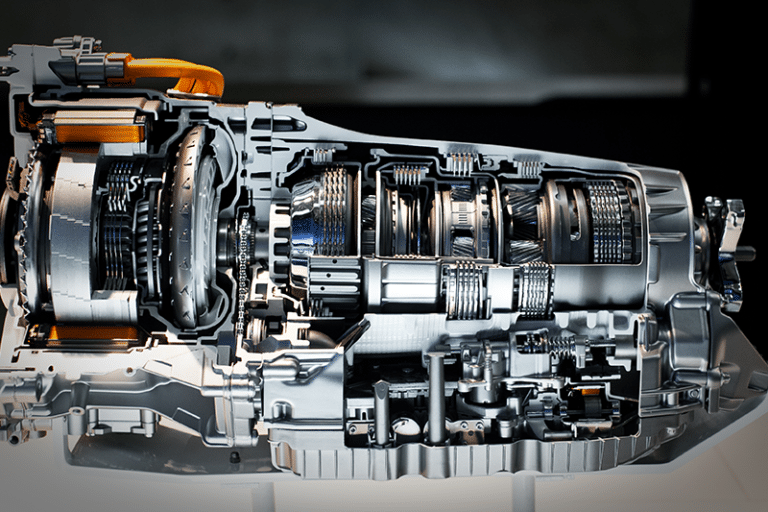
Understanding Transmission Replacement: When Is It Necessary?
The transmission system is a critical component of any vehicle, playing a vital role in the overall performance and efficiency. When the transmission begins to fail, drivers often face a difficult decision: repair or replace? This article aims to clarify the circumstances under which transmission replacement is necessary, the signs of transmission failure, and the benefits of addressing transmission issues promptly. The Role of the Transmission Before diving into the signs of failure, it’s essential to understand the transmission’s role within a vehicle. The transmission is responsible for transferring power from the engine to the wheels, allowing the vehicle to move. It adjusts the engine’s output to suit various driving conditions, making it crucial for both performance and fuel efficiency. A properly functioning transmission ensures a smooth driving experience, while a malfunctioning one can lead to a host of issues, ranging from poor acceleration to complete vehicle failure. Signs of Transmission Failure Recognizing the signs of a failing transmission is the first step in determining whether transmission replacement is necessary. Common indicators include: 1. Slipping Gears One of the most evident signs of transmission issues is when the vehicle unexpectedly slips out of gear. This can manifest as a sudden loss of power or a noticeable delay when accelerating. Slipping gears often indicate internal damage or a problem with the transmission fluid. 2. Unusual Noises If you hear grinding, whining, or clunking noises when shifting gears, it’s a red flag. These sounds can indicate worn gears or bearings, which may require transmission replacement if not addressed promptly. 3. Fluid Leaks Transmission fluid is typically a bright red color and has a distinct odor. If you notice puddles of fluid under your vehicle, it’s crucial to address the issue immediately. Low fluid levels can lead to increased friction and overheating, which may necessitate transmission replacement. 4. Warning Lights Modern vehicles are equipped with various sensors that monitor the performance of the transmission. If the check engine light or a specific transmission warning light appears on the dashboard, it’s essential to consult a mechanic. Ignoring these warnings can lead to further damage and costly repairs. 5. Poor Acceleration A delay in acceleration or feeling like the vehicle is hesitating when you press the gas pedal can signal a failing transmission. This symptom may stem from internal issues that affect the transmission’s ability to transfer power effectively. When to Consider Transmission Replacement If you notice any of the signs mentioned above, it’s vital to consult a qualified mechanic for an assessment. The decision to replace the transmission typically depends on several factors: 1. Age and Condition of the Vehicle If your vehicle is relatively new and well-maintained, a repair may be more feasible than replacement. However, if the vehicle is older or has a history of transmission problems, replacement might be the more economical choice in the long run. 2. Extent of Damage A thorough diagnostic test can reveal the extent of the transmission damage. If the damage is limited to minor components, a repair may suffice. However, if critical parts, such as the torque converter or clutch, are damaged, transmission replacement could be necessary. 3. Cost Considerations When faced with transmission issues, the cost of repairs versus replacement is a significant consideration. In some cases, the cost of repairing a transmission can approach the price of a new or rebuilt unit. If the repair costs exceed 50% of the vehicle’s value, replacement may be the wiser financial decision. 4. Performance Needs If the vehicle is primarily used for commuting or light driving, a repair might be adequate. However, if you require your vehicle for towing, off-roading, or other demanding tasks, a replacement may offer the reliability and performance needed for these applications. Benefits of Prompt Action Addressing transmission issues as soon as they arise can prevent further complications and save money in the long run. Ignoring signs of transmission failure can lead to more severe damage, potentially resulting in the need for a complete transmission replacement. Timely intervention can also enhance safety by ensuring that the vehicle operates smoothly. Conclusion Understanding when transmission replacement is necessary requires awareness of the symptoms of transmission failure and consideration of various factors. By recognizing the signs and seeking professional assistance promptly, drivers can make informed decisions about their vehicles’ maintenance. Transmission replacement can be a significant investment, but ensuring that your vehicle operates reliably and efficiently is worth it. Regular maintenance and attention to warning signs can help prevent the need for costly replacements, allowing you to enjoy a safer and more dependable driving experience.

The Ultimate Guide to Storm Entry Doors: Protection and Aesthetics for Your Home
When it comes to safeguarding your home against the elements, storm entry doors offer an effective blend of protection and aesthetic appeal. These specialized doors not only enhance the safety of your home but also contribute to its overall appearance. In this comprehensive guide, we will explore the benefits, features, and considerations to keep in mind when selecting storm entry doors for your property. Understanding Storm Entry Doors Storm entry doors are specifically designed to provide an additional layer of protection against harsh weather conditions. Typically installed in front of your primary entry door, they serve as a barrier against wind, rain, snow, and debris, making them a crucial element in regions prone to severe weather. While their primary function is to offer protection, storm entry doors come in various styles and materials, allowing homeowners to select options that align with their aesthetic preferences. Benefits of Storm Entry Doors Enhanced Security One of the most significant advantages of Storm Entry Doors is their ability to enhance the security of your home. Constructed from durable materials such as fiberglass or steel, these doors are resistant to forced entry. Many storm doors also feature multi-point locking systems, providing an added layer of security that standard entry doors may lack. Energy Efficiency Storm entry doors play a vital role in improving your home’s energy efficiency. They are often equipped with weather stripping and insulation, which help to minimize drafts and heat loss. By creating a tighter seal, these doors can significantly reduce energy costs, making them a smart investment for homeowners looking to improve their home’s overall efficiency. Protection from the Elements Storm entry doors are built to withstand extreme weather conditions. They are designed to resist warping, cracking, and fading, ensuring they maintain their structural integrity over time. In addition to protecting against harsh weather, storm doors can also prevent water infiltration, reducing the risk of mold and mildew growth in your home. Increased Curb Appeal Beyond their protective features, storm entry doors can enhance the curb appeal of your home. Available in various styles, colors, and finishes, these doors can complement your home’s architecture while providing a polished look. Homeowners can choose from traditional designs, modern aesthetics, or even custom options to achieve the desired appearance for their property. Key Features to Consider Material Selection When selecting storm entry doors, the material plays a crucial role in determining durability, aesthetics, and insulation properties. Common materials include: Fiberglass: Known for its strength and energy efficiency, fiberglass doors resist dents and scratches while providing excellent insulation. Steel: Steel storm doors offer maximum security and durability. They are often more affordable than fiberglass but may require regular maintenance to prevent rust. Aluminum: Lightweight and resistant to corrosion, aluminum storm doors are a popular choice for modern homes. However, they may not provide the same level of insulation as fiberglass or steel. Design and Style The design of your storm entry door should align with your home’s aesthetic. Options range from traditional panel designs to contemporary full-view models that offer increased visibility. Consider features such as: Glass Inserts: Adding decorative or tempered glass can enhance the beauty of your storm door while allowing natural light into your entryway. Color and Finish: Choose a color that complements your home’s exterior. Many manufacturers offer a variety of finishes, including painted and stained options. Grille Patterns: Grilles can add character to your storm door. Select a pattern that suits your home’s style. Installation Considerations Proper installation is critical to ensuring the effectiveness of your storm entry door. While many homeowners may opt for a DIY approach, professional installation is recommended for optimal performance and durability. A qualified contractor can ensure the door is correctly fitted, sealed, and weatherproofed, providing peace of mind against the elements. Maintenance Tips for Storm Entry Doors To maximize the lifespan and performance of your storm entry doors, regular maintenance is essential. Consider the following tips: Cleaning: Regularly clean the door’s surface to remove dirt and debris. Use a mild soap and water solution, avoiding harsh chemicals that may damage the finish. Inspection: Periodically check for signs of wear, such as cracks or damaged weather stripping. Addressing these issues promptly can prevent further damage. Lubrication: Ensure that all moving parts, such as hinges and locks, are properly lubricated to maintain functionality. Conclusion Storm entry doors offer an essential combination of protection and aesthetics for homeowners. By investing in high-quality storm doors, you can enhance your home’s security, improve energy efficiency, and elevate curb appeal. Consider the various materials, styles, and features available to select the perfect storm entry door that meets your needs. With proper installation and maintenance, your storm entry doors will provide lasting benefits for years to come, ensuring your home remains a safe and beautiful sanctuary.

The Benefits of Screen Enclosures: Enhancing Your Outdoor Living Space
As homeowners increasingly seek to maximize their outdoor living spaces, the trend of incorporating screen enclosures is gaining popularity. A screen enclosure offers a perfect blend of comfort, style, and functionality, transforming your patio, pool area, or porch into an inviting oasis. Here, we explore the myriad benefits of installing a screen enclosure and how it can enhance your outdoor experience. Protection from the Elements One of the primary advantages of a screen enclosure is the protection it provides from the elements. Whether it’s scorching sun, sudden rain, or even snow, a screen enclosure allows you to enjoy your outdoor space regardless of the weather. You can host gatherings, relax with a book, or enjoy a meal outdoors without worrying about the unpredictability of nature. This protection extends the usability of your space throughout the year, making it a worthy investment. Insect Control Insects can be a significant deterrent to enjoying your outdoor space. Mosquitoes, flies, and other pests can ruin a perfectly pleasant evening. A screen enclosure acts as a barrier, allowing you to relish the fresh air without the annoyance of insects. With this added layer of protection, you can comfortably entertain guests or spend quality time with family without the constant swatting and itching that often accompanies outdoor living. Enhanced Privacy Another compelling reason to consider a screen enclosure is the increased privacy it offers. Whether your home is situated close to neighbors or you have a busy street nearby, a screen enclosure can create a more secluded environment. This added privacy allows you to enjoy your outdoor space without feeling exposed, making it ideal for relaxation or intimate gatherings. You can set up your outdoor furniture and decorations without the concern of prying eyes. Improved Aesthetics Screen enclosures come in various designs and styles, allowing homeowners to choose an option that complements their existing architecture and landscaping. Whether you prefer a modern look or something more traditional, there’s a screen enclosure that will enhance the aesthetic appeal of your outdoor living area. The visual charm of a well-designed enclosure can turn an ordinary patio into a stylish retreat, adding value to your property. Increased Property Value Investing in a screen enclosure can significantly increase your property value. Homebuyers often look for features that enhance outdoor living, and a well-built enclosure is a desirable addition. By creating an attractive and functional outdoor space, you can make your home more appealing in the competitive real estate market. This investment not only enhances your lifestyle but also pays off when it’s time to sell. Versatility of Use A screen enclosure provides unparalleled versatility. Whether you want a peaceful sanctuary for morning coffee, a vibrant area for family gatherings, or a safe space for children and pets to play, a screen enclosure can serve multiple purposes. You can customize the interior with furniture, plants, and decor that fit your style and needs. This flexibility makes a screen enclosure an excellent addition for families of all sizes. Enhanced Outdoor Living Experience Ultimately, a screen enclosure enhances your outdoor living experience by allowing you to enjoy the beauty of nature without its downsides. You can bask in the sunshine, listen to the sounds of birds, and feel the gentle breeze, all while being shielded from the harshness of the environment. It creates an inviting atmosphere for relaxation and entertainment, fostering a deeper connection with your outdoor surroundings. Conclusion In summary, screen enclosures offer a multitude of benefits that significantly enhance your outdoor living space. From protection against the elements and insects to increased privacy and property value, these structures provide a comfortable and stylish way to enjoy your yard. If you’re looking to transform your outdoor area into a year-round haven, consider investing in a screen enclosure. It’s a decision that can elevate your lifestyle and turn your home into the ultimate retreat.

Why Should You Hire A Private Limousine For Your Corporate Meetings?
Private limousines are a great way to add luxury to your routine. If you are a businessman and love to travel in style, hiring a corporate limousine for your business events can be a great choice. A private ride for transportation can add a touch of luxury and style to your personality. If you have an upcoming corporate event or you have an important business meeting where you want to impress the other parties involved, renting out a limousine for the day can bring a lot of value. Here are the top benefits of using a private limousine for your corporate needs. 1. Enhanced Comfort A private ride is far more comfortable than opting for a Taxi or a public ride. When you are going to an important business meeting, you want your commute to be as relaxing and comfortable as it can be so that you can present your best self at the event. A limo ride is almost always comfortable. You get the luxury of soft and comfortable seats and a personal chauffeur. This kind of comfort is usually unavailable with private cabs. 2. Timely Arrivals Calling a cab from a cab company might take some time. This might cause delayed arrivals at the venue. When you are going to an important business meeting, you can not risk getting late. Hiring or renting out a private limo will ensure that you arrive on time. Moreover, when you have a chauffeur, you will not have to worry about navigating through the location of the venue or finding a parking spot, especially if you are not familiar with the city. 3. Positive First Impression Arriving in a luxury car at an important corporate event can radiate a positive first impression about your business and your personality. When you are representing your brand or you want someone to take an interest in your business, you will need this kind of positive image for yourself. Your dressing sense and your choice of vehicle have a crucial role to play in creating your personality. When you present yourself with style, you will grasp everyone’s attention. 4. Work On The Go A limousine provides a perfect opportunity to work on the go. If you have to prepare your proposal or you need last-minute touch-ups in your presentation, working on your laptop will be a lot easier in a limousine. You will get the steadiness required to work on the laptop. You can attend video calls or important phone calls without fearing the traffic noise as most limousines have soundproofing facilities. 5. Best-In-Class Amenities Lastly, a limousine is not just a car. It can offer you the perfect on-the-move luxury experience. With a wine tour limousine, you can celebrate your business achievements after the meeting. For instance, if you have entered into new partnerships, acquired more business, or achieved a major goal, you can celebrate with your team in the limo ride with a bottle of wine or champagne.

The Importance of Regular Plumbing Inspections for Commercial Businesses
Maintaining the operational efficiency and safety of commercial establishments requires a comprehensive approach to facility management. Among the critical aspects often overlooked is the plumbing system. Regular plumbing inspections are not just a preventative measure but a strategic necessity for commercial businesses. This article delves into the importance of these inspections, focusing on how they safeguard your business and the role of emergency plumbing services in addressing urgent issues. The Role of Commercial Businesses Plumbing In commercial settings, plumbing systems are more complex and critical than those in residential properties. They support a high volume of use and are integral to the daily operations of businesses, from restaurants and hotels to offices and retail spaces. The scope of commercial businesses Plumbing includes various components such as pipes, fixtures, drainage systems, and water heaters, each playing a vital role in maintaining a functional and safe environment. 1.Ensuring Operational Continuity For commercial businesses, any plumbing issue can lead to significant disruptions. Regular inspections help identify potential problems before they escalate into major issues. For instance, routine checks can detect early signs of pipe corrosion, blockages, or leaks that could otherwise result in water damage, reduced water pressure, or even system failures. By addressing these issues proactively, businesses can avoid costly downtime and ensure that their operations remain uninterrupted. 2.Complying with Regulations Commercial plumbing systems must adhere to strict regulations and codes designed to ensure safety and environmental protection. Regular inspections help ensure compliance with these standards, reducing the risk of violations that could result in fines or legal issues. Additionally, keeping up with maintenance helps ensure that the plumbing system meets current building codes and safety standards, thereby protecting both employees and customers. 3.Enhancing System Longevity Routine inspections contribute to the longevity of plumbing systems by identifying and addressing wear and tear early. This proactive approach helps prevent the premature failure of plumbing components and reduces the need for expensive replacements. Regular maintenance can extend the lifespan of crucial system elements such as pipes, fixtures, and water heaters, ensuring they operate efficiently for years to come. The Crucial Role of Emergency Plumbing Services Despite the best efforts at regular maintenance, emergencies can and do occur. Having a reliable emergency plumbing service is essential for managing unforeseen issues effectively and minimizing their impact on business operations. 1.Immediate Response When plumbing emergencies arise, such as severe leaks, burst pipes, or major clogs, swift action is crucial. Emergency plumbing services provide immediate response to mitigate damage and restore functionality. Their availability around the clock ensures that businesses are not left vulnerable during off-hours or weekends, which is especially important for establishments operating 24/7. 2.Expertise and Equipment Professional emergency plumbers are equipped with specialized tools and expertise to handle complex and urgent situations. Their advanced equipment allows for quick diagnosis and efficient repairs, minimizing disruption and damage. Whether it’s a major pipe burst or a critical fixture failure, emergency plumbing services have the skills and resources necessary to address the issue effectively. 3.Preventative Measures In addition to addressing immediate concerns, emergency plumbers can offer valuable advice on preventing future incidents. They may provide recommendations for system upgrades, preventive maintenance, or modifications to reduce the risk of recurring problems. This guidance helps businesses improve their plumbing systems’ resilience and avoid future emergencies. Conclusion Regular plumbing inspections are a fundamental component of effective facility management for commercial businesses. They play a crucial role in ensuring operational continuity, regulatory compliance, and system longevity. Coupled with reliable emergency plumbing services, these inspections provide a comprehensive strategy for maintaining a functional and safe plumbing system. By prioritizing both routine maintenance and having access to expert emergency services, businesses can protect their operations, reduce costs, and ensure a smooth and uninterrupted workflow.

6 Key Benefits of Storage Units For Personal or Business Use
Storage units can be incredibly useful for both personal and business needs. Whether you’re moving to a new home, running out of space in your garage, or managing business inventory, self storage units can offer practical solutions. They help organize your space and keep your belongings safe. Let’s look at six key benefits of using storage units. 1. Extra Space for Personal Belongings One of the biggest advantages of self storage units is the extra space they provide. If your home is getting cluttered, renting a storage unit can help. You can keep seasonal items, old furniture, or items you don’t use every day in a storage unit. This helps keep your living space neat and tidy. It also allows you to find things more easily when you need them. 2. Safe and Secure Storage Self storage units offer a secure place to keep your items. Most storage facilities have strong security measures, including surveillance cameras, gated access, and alarm systems. This means your belongings are less likely to be stolen or damaged. If you have valuable items or important documents, a storage unit is a safe place to keep them. 3. Convenient Access Many storage units are available 24/7, which means you can access your items whenever you need them. This is especially useful for businesses that might need to get inventory at odd hours or for personal use when you need to retrieve or store items quickly. Convenient access helps you avoid delays and manage your belongings more effectively. 4. Cost-Effective Solution Renting a self storage unit is often more affordable than renting a larger home or office space. If you need extra space but don’t want to pay for a bigger place, a storage unit can be a cost-effective alternative. It allows you to save money while still keeping your space organized and functional. 5. Helpful During Transitions If you’re moving, renovating, or going through any major life changes, storage units can be a big help. They provide a temporary place to store your belongings while you sort out your new living situation. This can make transitions smoother and less stressful. You won’t have to rush to unpack everything at once or worry about where to put things. 6. Business Inventory Management For businesses, self storage units can be invaluable. They offer a way to manage inventory, store supplies, and keep business materials organized. This is especially useful for small businesses or startups that may not have enough space in their office. A storage unit can help you keep your business running smoothly by providing extra space for essential items. Conclusion Self storage units provide many benefits for both personal and business use. They offer extra space, security, convenience, affordability, and help during transitions. For businesses, they are particularly useful for managing inventory and supplies. Whether you’re dealing with a cluttered home or need extra space for your business, storage units can be a practical and valuable solution. By choosing the right storage unit, you can keep your belongings safe and organized, making your life a little easier.

Overcoming Anxiety: Transformational Coaching Strategies for a Brighter Future
Anxiety is a common emotional response that many individuals experience at various points in their lives. From everyday stressors to significant life changes, anxiety can feel overwhelming and debilitating. However, through the innovative approach of transformational coaching, individuals can learn to manage and overcome anxiety, paving the way for a brighter, more fulfilling future. This article explores effective strategies that transformational coaching offers to help individuals navigate their anxiety and thrive. Understanding Anxiety Anxiety manifests in various forms, including generalized anxiety disorder, social anxiety, and panic attacks. While it can serve as a natural response to stress, excessive anxiety can hinder daily functioning and overall well-being. Transformational coaching aims to address the root causes of anxiety, empowering individuals to reclaim control over their lives and emotions. The Role of Transformational Coaching Transformational coaching is a holistic approach focused on personal growth, self-awareness, and actionable change. Unlike traditional therapy, which often delves into the past, transformational coaching emphasizes present and future goals, encouraging individuals to envision a life free from anxiety. Coaches utilize various techniques and tools to support clients in their journey toward self-discovery and resilience. 1. Cultivating Self-Awareness The first step in overcoming anxiety through transformational coaching is cultivating self-awareness. Clients are encouraged to explore their thoughts, feelings, and behaviors. This process involves identifying triggers that contribute to anxiety, such as specific situations or negative thought patterns. By becoming aware of these triggers, individuals can develop strategies to manage their responses more effectively. Techniques for Self-Awareness Journaling:Writing down thoughts and feelings can provide insights into anxiety triggers and patterns. Mindfulness Practices:Techniques such as meditation and deep breathing help clients stay present, reducing the grip of anxious thoughts. 2. Setting Clear Goals Transformational coaching emphasizes the importance of setting clear, achievable goals. Clients are encouraged to define what overcoming anxiety looks like for them. By establishing specific, measurable objectives, individuals can create a roadmap toward a more confident and anxiety-free life. Goal-Setting Strategies SMART Goals:Clients learn to set Specific, Measurable, Achievable, Relevant, and Time-bound goals, ensuring a structured approach to overcoming anxiety. Visualization:Coaches guide clients in visualizing their goals, creating a mental image of success that motivates and inspires. 3. Developing Positive Mindsets Transformational coaching helps clients shift their mindsets from fear and doubt to positivity and resilience. By reframing negative thoughts, individuals can change their relationship with anxiety and cultivate a more empowering outlook. Mindset-Shifting Techniques Affirmations:Clients are encouraged to use positive affirmations that challenge negative self-talk and reinforce their strengths. Gratitude Practices:Focusing on gratitude helps individuals shift their perspective, fostering a sense of abundance rather than scarcity. 4. Building Resilience Resilience is a crucial component in overcoming anxiety. Transformational coaching equips clients with tools and strategies to bounce back from setbacks and challenges. By building resilience, individuals can navigate anxiety-provoking situations with greater confidence. Resilience-Building Strategies Coping Skills Training:Coaches help clients develop coping strategies for managing anxiety in real-time, such as grounding techniques or reframing thoughts. Role-Playing:Engaging in role-playing scenarios can prepare clients for anxiety-inducing situations, reducing fear of the unknown. 5. Fostering Supportive Relationships Transformational coaching emphasizes the significance of building a supportive network. Healthy relationships can provide comfort and encouragement, making it easier to manage anxiety. Coaches often encourage clients to seek out connections that promote growth and understanding. Building Supportive Networks Accountability Partners:Clients can benefit from having accountability partners who provide support and motivation throughout their journey. Group Coaching:Participating in group coaching sessions fosters a sense of community and shared experiences, helping clients feel less isolated in their struggles. 6. Taking Action Ultimately, transformational coaching is about taking action. Coaches motivate clients to implement the strategies they’ve learned, encouraging them to step out of their comfort zones and confront anxiety head-on. This proactive approach fosters growth and empowers individuals to embrace change. Action-Taking Strategies Small Steps:Coaches encourage clients to take small, manageable steps toward their goals, reducing overwhelm and promoting gradual progress. Celebrating Wins:Recognizing and celebrating achievements, no matter how small, reinforces positive behaviors and builds momentum. Conclusion Overcoming anxiety is a journey that requires commitment, self-reflection, and actionable strategies. Transformational coaching provides individuals with the tools necessary to confront their anxiety and create a brighter future. By cultivating self-awareness, setting clear goals, developing positive mindsets, building resilience, fostering supportive relationships, and taking action, clients can transform their lives and reduce the impact of anxiety. With the right support and guidance, anyone can embark on a path toward a more empowered, anxiety-free existence.
7 Ways to Make Parking at Your Office Easier
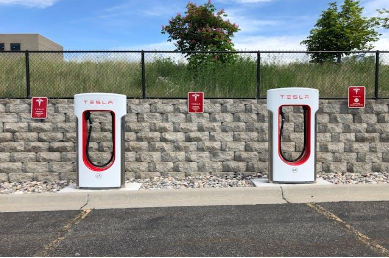
Ever feel like finding a parking spot at your office is a never-ending game of hide-and-seek? You’re not alone. But don’t worry, there are ways to make parking less of a headache. Whether you’re tired of circling the lot or fed up with parking wars, these seven tips will help you improve the parking facilities at your office building and make your daily commute a little smoother. To give you an idea, here are some essential tips for upgrading parking lots. Take a Good Look Around Start by taking a good look at your office parking situation. Are there enough spots for everyone, or is it a constant battle for space? Understanding the current parking needs of your office is the first step toward finding a solution that works for everyone. Your employees and clients should have easy access to parking and the facilities that come with it. Get Creative with Layout Once you know what you’re working with, get creative with the layout of your parking lot. Can you squeeze in a few extra spots here and there? Maybe designate specific areas for employees, visitors, and disabled parking. By thinking outside the box, you can maximize space and minimize headaches. Power Up with EV Charging Stations With more people driving electric vehicles, having charging stations at your office is a game-changer. Invest in Turnkey EV Charging Station to attract eco-conscious employees and future-proof parking facilities. Investing in new technology is essential to show your clients and employees that you are interested in upgrading your business. Plus, it’s a win-win for everyone – employees get a charge, and the planet gets a break. Embrace Technology Say goodbye to circling the lot endlessly with the help of parking management solutions. Use sensors or mobile apps to help employees find available spots in real time. Not only does it reduce congestion, but it also saves everyone time and frustration. Make sure that the sensors work by performing routine maintenance monthly. Keep Safety in Mind Make sure your parking facilities are well-lit and equipped with surveillance cameras to deter any unwanted visitors. Consider adding access control systems or gated entry to keep things secure. After all, peace of mind is priceless. It can help avoid any unforeseen events and entry of unauthorized persons. Think Outside the Car Encourage employees to explore alternative transportation options. Whether it’s carpooling, biking, or taking public transit, every little bit helps. Offer incentives like preferred parking spots or transit subsidies to sweeten the deal. Not only does it ease parking pressures, but it also promotes a healthier, more sustainable lifestyle. Communicate with Employees Last but not least, keep the lines of communication open with your employees. Ask for their feedback and suggestions on how to improve parking facilities. Make sure you read their feedback forms and try to implement them if they fall under your budget. After all, they’re the ones using it every day, so their input is invaluable. Together, you can brainstorm creative solutions and make parking at your office a breeze.