
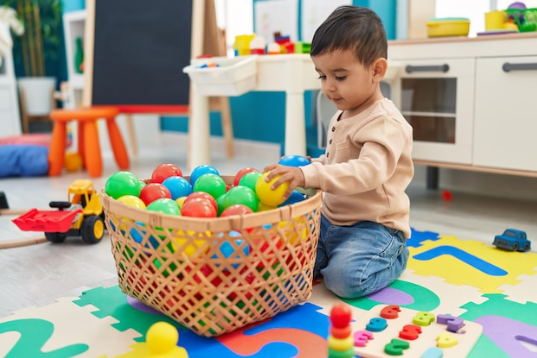
Starting kindergarten is an exciting milestone for both children and parents. It marks the beginning of a more structured learning journey and introduces new routines, expectations, and social experiences. While this transition can bring joy and pride, it may also cause anxiety for young children. With thoughtful preparation and encouragement, families can make the move from preschool to kindergarten smooth and positive. 1. Start Talking About the Change Early One of the best ways to prepare your child for kindergarten is to start discussing it well in advance. Talk about what a typical school day looks like, including classroom activities, lunch breaks, and playtime. Read books about starting school and share positive stories about your own school experiences. When children know what to expect, they feel more confident and secure. 2. Establish a Consistent Routine Kindergarten often follows a more structured daily schedule than preschool. Begin adjusting your child’s routine a few weeks before school starts. Set regular bedtimes and wake-up times to ensure they get enough rest. Practice morning routines such as getting dressed, brushing teeth, and having breakfast on time. A predictable schedule helps children adapt more easily to their new environment. 3. Encourage Independence Teachers in kindergarten encourage students to complete small tasks on their own. Help your child practice skills like putting on shoes, opening lunch containers, washing hands, and cleaning up toys. These small steps build confidence and prepare them for classroom expectations. Encouraging independence also reduces frustration and makes the child feel capable in a new setting. 4. Build Social and Emotional Skills Social development plays a key role in a successful kindergarten experience. Arrange playdates or group activities so your child can practice sharing, taking turns, and resolving minor conflicts. Teach them how to express feelings using words and how to ask for help when needed. Emotional readiness often has a greater impact than academic skills during the first year of school. 5. Visit the School Together If possible, visit the school before the first day of kindergarten. Walk around the building, locate the classroom, and explore the playground. Meeting the teacher in advance can also ease nervousness. Familiar surroundings help children feel comfortable and reduce first-day anxiety. You can also point out important areas like restrooms, the cafeteria, and the main entrance to help your child feel more confident navigating the new space independently. 6. Focus on Basic Academic Skills While formal academics will be taught in kindergarten, introducing simple learning activities at home can boost confidence. Practice recognizing letters, numbers, shapes, and colors through games and songs. Read together daily to strengthen language skills and listening ability. Keep learning fun and pressure-free to maintain a positive attitude toward education. Conclusion The transition from preschool to kindergarten is a major step in a child’s development. By preparing early, encouraging independence, and fostering emotional readiness, parents can help their children feel confident and excited about this new chapter. With patience, support, and positivity, kindergarten can become a joyful and rewarding experience that sets the foundation for future academic success.
Key Features of an Effective Pre-K Facility
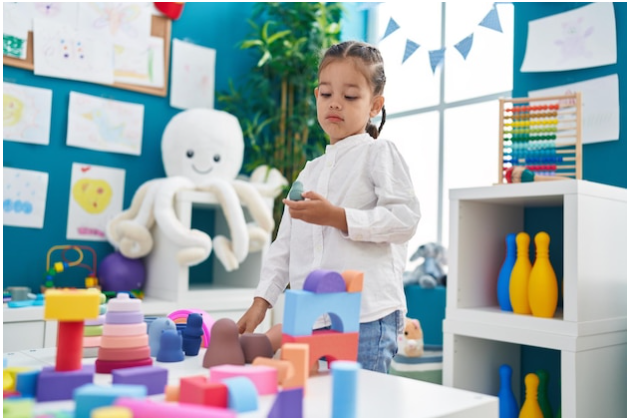
When selecting a pre-k facility for your child, it is crucial to understand what makes a program effective. The right pre-k environment can significantly influence your child’s early development, preparing them for future educational success. Here are some key features to look for in an effective pre-k facility. 1. Warm and Nurturing Environment An effective pre-k facility should provide a warm and nurturing environment. Young children thrive when they feel safe and encouraged, and the atmosphere of a preschool plays a significant role in this. The facility should be designed to be inviting, with bright colors, engaging decorations, and age-appropriate resources. Additionally, staff members should be warm, approachable, and responsive to children’s needs, helping to create a sense of belonging that fosters emotional well-being. 2. Experienced and Caring Educators The quality of educators is a critical aspect of any pre-k facility. An effective program relies on trained and experienced teachers who understand early childhood development. Educators should not only be knowledgeable about age-appropriate curriculum and teaching methods but also be passionate about fostering a love for learning. They should engage with children in meaningful ways, providing guidance and support that cater to individual learning styles and needs. Having attentive and dedicated educators can make all the difference in a child’s learning journey. 3. Structured Curriculum An effective pre-k facility should offer a well-structured curriculum that encompasses various areas of learning. This curriculum should promote cognitive, social, emotional, and physical development. Key components may include early literacy and math skills, art, music, and physical activities. The curriculum should be flexible enough to allow for play-based learning, where children can explore their interests and develop critical thinking skills. This balanced approach ensures that children are prepared for the challenges they will face in kindergarten and beyond. 4. Focus on Social-Emotional Learning Social-emotional learning (SEL) is essential in a pre-k facility as it prepares children to navigate relationships and emotions. An effective program should incorporate activities that promote teamwork, communication, empathy, and self-regulation. By engaging in group activities, children learn to cooperate and resolve conflicts, building a strong foundation for future social interactions. Educators should also encourage open discussions about feelings, helping children understand and express their emotions in a healthy way. 5. Safe and Engaging Learning Spaces A key feature of an effective pre-k facility is the availability of safe and engaging learning spaces. Classrooms should be equipped with a variety of learning materials, such as books, art supplies, and manipulatives that stimulate exploration and creativity. Outdoor play areas are equally important, providing children with opportunities to develop gross motor skills while enjoying fresh air. Safety should always be a priority, with facilities adhering to health and safety standards to ensure a secure environment for all children. Conclusion In conclusion, choosing an effective pre-k facility is essential for your child’s growth and development. By considering features such as a nurturing environment, experienced educators, structured curricula, a focus on social-emotional learning, safe learning spaces, and strong parent involvement, parents can make informed decisions that benefit their child’s early educational experience. An effective pre-k facility lays the foundation for a successful future and instills a lifelong love for learning.

5 Reasons to Enroll Your Kids in a Christian Private School
Choosing the right school for children is one of the most important decisions parents can make. A Christian private school offers a learning environment that combines academics with moral and spiritual development. These schools focus not only on teaching subjects like math, science, and reading but also on guiding children to grow in character, faith, and responsibility. Families looking for a safe and nurturing place for their children often find that Christian private schools provide the perfect balance of education and values. Strong Academic Programs Christian private schools often have strong academic programs that challenge students to do their best. Classes usually have smaller sizes, allowing teachers to give more attention to each student. This personalized approach helps children understand lessons better and feel confident in their learning. Teachers in these schools often integrate faith-based perspectives into subjects, making learning more meaningful. Children gain skills that prepare them for higher education and future careers while growing in a thoughtful and disciplined learning environment. Focus on Moral and Spiritual Growth One of the biggest advantages of a christian private school is its focus on moral and spiritual growth. Students learn about kindness, honesty, respect, and responsibility through everyday lessons and activities. They also have opportunities to attend chapel, Bible classes, and service projects, which encourage them to live out their faith in practical ways. This strong foundation helps children make good decisions and develop values that guide them throughout life. Growing in faith alongside academics helps students build a sense of purpose and direction. Safe and Supportive Environment Christian private schools usually provide a safe and supportive environment for students. Teachers and staff work to create a positive atmosphere where children feel respected and cared for. Discipline focuses on teaching rather than punishment, and bullying is taken seriously. Parents can feel confident that their children are in a place where learning is protected from harmful influences. A safe environment helps children focus on their studies, make friends, and develop social skills without fear or stress. Opportunities for Leadership and Service These schools encourage students to take on leadership roles and serve their communities. Many Christian private schools offer clubs, sports, and service programs where students can develop teamwork, responsibility, and compassion. Participating in service projects teaches children to care about others and make a difference in the world. Leadership opportunities allow students to gain confidence and learn important life skills. This combination of service and leadership shapes students into well-rounded individuals who are ready to contribute positively to society. Close Community and Family Involvement Christian private schools often have close communities where teachers, students, and parents work together. Families are encouraged to participate in school events, volunteer opportunities, and parent-teacher meetings. This involvement strengthens the connection between home and school, creating a supportive network for children. Students benefit from consistent guidance and encouragement from both teachers and parents. A close community helps children feel valued, respected, and motivated to succeed academically and personally. Conclusion Enrolling children in a Christian private school provides more than just academic knowledge. It supports their moral, spiritual, and personal development while giving them a safe and nurturing environment to grow. These schools prepare children for success in life by teaching strong values, offering leadership and service opportunities, and fostering a close-knit community. Families who choose a Christian private school give their children a chance to thrive academically, socially, and spiritually, building a strong foundation for the future.
5 Tips to Find a Suitable Kindergarten Program for Your Kid
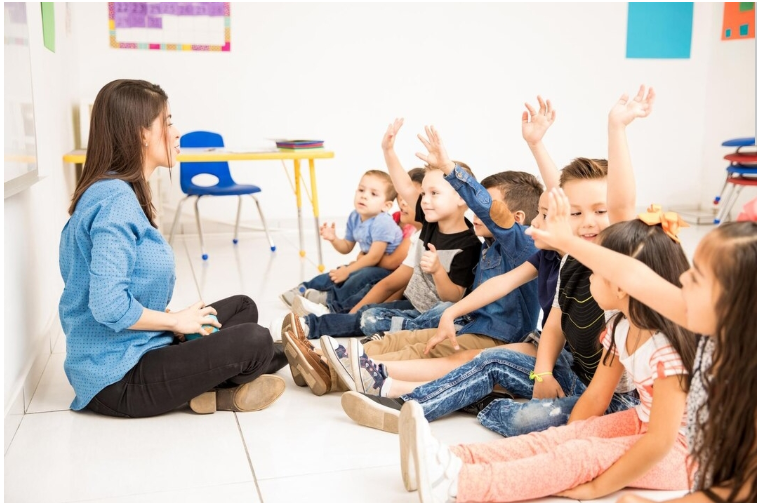
Choosing the right educational setting for a young child is one of the most important decisions parents make. Early childhood shapes how children learn, interact, and build confidence. A nurturing learning environment supports emotional security, curiosity, and healthy development. When children feel safe and encouraged, they engage more deeply and develop a positive attitude toward learning. A well-chosen kindergarten program supports growth beyond academics. It introduces structure, social interaction, and foundational skills that prepare children for future learning. Let’s discuss 5 tips to find a suitable kindergarten program that can support your kid’s learning. Read on! Focus on Learning Philosophy and Daily Approach Every learning environment follows a philosophy that guides teaching methods and daily routines. Understanding this approach of a kindergarten program helps parents determine whether it aligns with their child’s learning style. Some environments emphasize play-based learning, allowing children to explore concepts through hands-on activities. Others introduce structured lessons to build early academic skills. Both approaches offer value when applied appropriately. Daily routines reveal how learning unfolds. Balanced schedules include time for learning, play, rest, and creativity. This balance supports attention and prevents fatigue. Evaluate the Learning Environment and Safety Standards The physical environment influences comfort and engagement. Clean, organized spaces promote focus and emotional security. Bright, welcoming classrooms encourage curiosity and participation. Safety standards deserve close attention. Secure entrances, supervised play areas, and clear emergency procedures protect children’s well-being. A safe environment allows children to explore confidently. Outdoor spaces also matter. Access to safe play areas supports physical development and social interaction. Movement improves concentration and emotional balance. Understand Teacher Qualifications Teachers play an important role in early education. Their qualifications, experience, and communication style shape the learning experience. Well-trained educators understand child development and adapt teaching methods accordingly. They recognize individual differences and provide appropriate support. Interaction style matters as much as credentials. Teachers who communicate with patience and warmth create emotional security. Positive reinforcement builds confidence and motivation. Observing teacher-child interaction reveals how discipline, encouragement, and guidance occur. Respectful communication supports trust and cooperation. Assess Curriculum Balance A balanced curriculum supports holistic development. Academic readiness, social skills, and creativity deserve equal attention. Early literacy and numeracy introduce foundational concepts without pressure. Children learn through stories, songs, and interactive activities. Social skills develop through group interaction. Sharing, cooperation, and empathy form through guided play and collaboration. Creative activities support imagination and self-expression. Art, music, and movement encourage emotional expression and problem-solving. A well-rounded curriculum supports growth across multiple areas, ensuring balanced development. Consider Communication and Family Alignment Strong communication between educators and families supports consistency. Regular updates help parents understand progress and address concerns. Shared values create alignment. When families and educators share expectations regarding behavior, learning, and respect, children receive consistent messages. Open communication also fosters trust. Parents feel confident when educators listen and respond thoughtfully. Family involvement strengthens learning. When parents reinforce routines and values at home, children experience stability and confidence. It improves confidence and overall learning experience.
Why Learning Martial Arts Is Essential for Your Kids
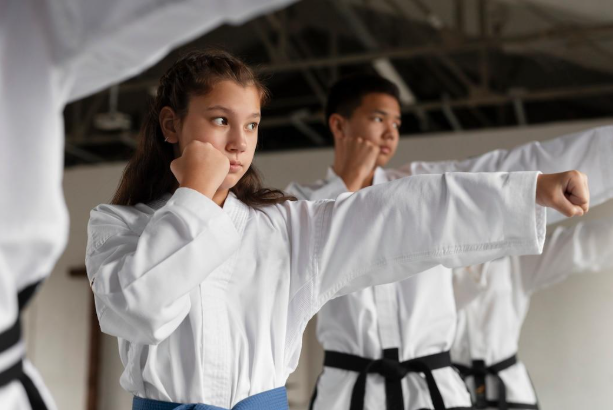
Kids are like sponges, soaking up everything around them as they experience life. As parents, you should strive to provide them with tools that will not only help them grow physically but also develop invaluable life skills. One such avenue gaining increasing attention is martial arts. Far beyond mere physical activity, martial arts instill confidence, discipline, and respect in your children. Here, we will explore why martial arts are essential for your child. 1. MMA Lessons Teach Self-Defense In martial arts training, your children will learn self-defense techniques to boost confidence and self-assurance. In this unpredictable world, it is vital to teach your kids how to protect and defend themselves for personal safety and peace of mind. Martial arts lessons provide more than just a set of physical techniques. These lessons teach them essential skills that empower them to protect themselves in dangerous situations. Whether learning basic moves or gaining heightened awareness, mma lessons for beginners are extremely important. These lessons help kids learn to spot warning signs and anticipate threats to navigate life confidently and securely. 2. Improves Focus and Concentration Many children struggle with focus and concentration due to constant digital distractions. Martial arts training can address this problem. This training requires students to pay attention to the instructor, remember techniques, and perform movements accurately, blocking out distractions. When children inherit this kind of discipline and mental engagement in martial arts classes, their executive functioning, including planning, memory, and self-control, will be improved. As a result, they will succeed in school and in everyday challenges. 3. Promotes Physical Fitness Martial arts provide a comprehensive physical workout. Unlike traditional ab workouts that focus on isolated movements, martial arts include strength, flexibility, balance, endurance, and coordination. Kicking, punching, grappling, and footwork drills improve the children’s muscular strength and cardiovascular endurance. In a modern age, where a sedentary lifestyle is prevailing, martial arts keep your children active and engaged in exercises that they can truly enjoy. These exercises also improve motor skills and agility, and promote healthier body composition in children so that they can live a healthier lifestyle. 4. Develops Social Skills Martial arts also help in developing social skills. This is because of the teamwork environment. In martial arts classes, children learn how to resolve conflicts, make new friends, and show compassion. They are working alongside children with the same goals as they, learning and growing together. They learn to work together, cheer on one another, and support their peers. Moreover, partner drills, group warm-ups, and sparring sessions improve their communication and cooperation. All these qualities help children develop interpersonal relationships both inside and outside the martial arts center. 5. Builds Character Martial arts training is a unique platform for building character and instilling essential life skills in your children. On this mat, your kids learn discipline, values of respect, and perseverance. They learn the importance of humility in both victory and defeat. Martial arts teach your children to embrace challenges as opportunities for growth, determination, and fostering resilience.

How Education Law Impacts Teacher Responsibilities
Teaching is more than guiding lessons and grading papers. It’s a balance of nurturing students and meeting legal obligations. Education law shapes this balance, influencing what teachers can and cannot do in their classrooms. Understanding these laws is essential for every educator. It ensures not only student safety but also protects teachers professionally. Defining Education Law and Its Scope Education law refers to the rules and regulations that govern schools, teachers, and students. It includes local, state, and federal laws. These laws cover areas like student rights, teacher conduct, and school policies. For teachers, education law is a guide for maintaining ethical and legal standards. Following these regulations reduces the risk of legal disputes while ensuring a safe learning environment. Education law directly affects the daily responsibilities of teachers. Teacher Responsibilities in Student Safety and Welfare A key area shaped by education law is student safety. Teachers must follow rules on supervision, reporting abuse, and emergency procedures. They are legally obligated to act in the best interest of students at all times. This includes preventing bullying and addressing harmful behaviors promptly. Education law ensures teachers understand these responsibilities clearly, making safety a top priority in their professional duties. Academic Integrity and Legal Obligations Teachers are also responsible for maintaining academic integrity. Education law outlines policies for grading fairness, testing procedures, and student records management. Teachers must avoid bias, maintain confidentiality, and follow standardized evaluation methods. Legal frameworks guide educators on proper documentation and reporting of academic misconduct. In this way, education law reinforces accountability and fairness in teaching practices. Inclusion and Special Education Requirements Another major impact of education law is on special education and inclusion. Teachers must comply with regulations like the Individuals with Disabilities Education Act (IDEA). These laws require personalized learning plans, accommodations, and regular progress tracking. Teachers must understand and implement these legal requirements to ensure equal opportunities for all students. Education law directly informs how teachers approach diverse classroom needs and supports inclusive learning. Professional Conduct and Employment Guidelines Education law also governs teacher behavior and professional standards. It defines acceptable conduct, employment contracts, and disciplinary procedures. Teachers must follow codes of ethics and remain aware of legal boundaries in interactions with students and colleagues. This legal framework protects both educators and students, establishing clear expectations in the workplace. Education law therefore plays a central role in shaping teacher responsibilities and professional behavior. Technology Use and Legal Considerations In today’s classrooms, digital tools are everywhere. Education law covers issues like student data privacy, copyright rules, and responsible technology use. Teachers must ensure online safety, follow data protection laws, and use educational resources legally. Awareness of these legal considerations prevents violations and fosters a secure digital environment. By adhering to education law, teachers safeguard both their students and themselves in the digital age. Conclusion Education law is not just paperwork or bureaucracy. It defines how teachers interact with students, manage classrooms, and uphold professional standards. From student safety to inclusion, academic integrity, and digital responsibility, the law shapes almost every aspect of teaching. Understanding and following these regulations ensures teachers can perform their duties effectively while protecting the rights and well-being of their students. Education law, in essence, is a vital guide that empowers teachers to educate responsibly and confidently.

Nurturing Tomorrow: How to Take the Best Care of Your Child
Taking the best care of your child goes far beyond meeting basic needs. It involves supporting emotional security, physical health, cognitive growth, and social development in a balanced and consistent way. Every stage of childhood brings new challenges and responsibilities, requiring thoughtful guidance, structure, and care. By combining attentive parenting with supportive environments, parents can create a strong foundation that allows children to grow with confidence, resilience, and curiosity. Build a Safe and Loving Home Environment A stable and nurturing home environment is essential for a child’s overall development. Children thrive when they feel safe, valued, and understood. Consistent routines, clear boundaries, and positive reinforcement help children develop a sense of security and trust. Open communication encourages children to express their thoughts and emotions freely. When children feel heard and supported, they develop stronger emotional regulation and self-esteem, which positively influences their behavior and relationships. Support Physical Health and Daily Wellbeing Physical health is a cornerstone of proper child care. Balanced nutrition, regular physical activity, and adequate sleep all contribute to healthy growth and development. Establishing healthy habits early reduces the risk of long-term health issues and supports mental clarity and energy. Routine medical checkups and preventative care ensure that developmental milestones are being met. Attention to hygiene and daily self-care habits also teaches responsibility and independence over time. Encourage Learning and Curiosity Children are naturally curious, and nurturing that curiosity supports cognitive development. Reading together, engaging in creative activities, and encouraging questions help children build language skills and critical thinking abilities. Learning does not need to be formal to be effective. Everyday experiences such as cooking, exploring nature, or solving simple problems provide meaningful learning opportunities that strengthen confidence and independence. The Role of Child Care in Early Development Child care plays an important role in supporting children during their formative years. Quality child care environments provide structured routines, age-appropriate learning activities, and opportunities for guided social interaction. These settings help children develop communication skills, emotional awareness, and adaptability. Professional child care providers are trained to support developmental needs while maintaining a safe and nurturing atmosphere. Consistent exposure to positive guidance outside the home reinforces healthy behavior and learning habits. Benefits of a Daycare Center for Social Growth A daycare center offers children regular interaction with peers, which is essential for social development. In a daycare setting, children learn how to share, cooperate, and resolve conflicts in a supervised environment. These experiences help build empathy, patience, and emotional resilience. Daycare centers also introduce children to structured schedules, group activities, and early educational concepts. This exposure prepares them for school environments and helps ease transitions into more formal learning settings. Foster Emotional Intelligence and Empathy Helping children understand emotions is a key part of effective care. Teaching children to recognize their feelings and the feelings of others encourages empathy and healthy communication. Simple conversations about emotions and behavior help children develop emotional intelligence. Modeling kindness, patience, and respect reinforces positive behavior. Children often learn more from observing actions than from instructions alone, making parental behavior a powerful teaching tool. Encourage Independence With Guidance Allowing children to make age-appropriate choices builds confidence and decision-making skills. Simple responsibilities such as tidying toys or choosing clothing encourage independence while still providing structure. Guidance remains essential. Offering support rather than control helps children learn from mistakes without fear, fostering resilience and problem-solving abilities.

Transforming Dubai’s Landscape Through Excellence in Modern Construction
The architectural marvels of Dubai have become global symbols of innovation and progress, setting new benchmarks in design and infrastructure. The evolution of this city owes much to the vision, skill, and precision of every building construction company dubai has cultivated over the years. These companies have not only redefined skylines but also contributed to the transformation of Dubai into one of the world’s most advanced urban environments. From soaring skyscrapers to sprawling industrial zones and sustainable residential developments, Dubai’s growth is a story of ambition, technology, and craftsmanship. Every project reflects a perfect harmony between architectural brilliance and engineering expertise, creating an environment where beauty meets functionality. The Rise of Dubai’s Modern Construction Era Dubai’s journey from a modest trading town to a global metropolis has been driven by an unshakable commitment to excellence in construction. The city’s leadership has long understood that world-class infrastructure forms the backbone of a thriving economy. As a result, Dubai has continually invested in developing sustainable, resilient, and innovative buildings that align with international standards. The government’s vision, supported by private construction firms, has fueled massive development projects across commercial, residential, and industrial sectors. This collaboration between public ambition and private expertise has created an ecosystem that thrives on modernization and design excellence. Modern construction in Dubai is not just about creating structures—it’s about crafting experiences. Every new development reflects the city’s futuristic outlook and unwavering dedication to building smarter, safer, and more sustainable environments. Innovation Defining the Future of Construction Innovation lies at the heart of Dubai’s construction excellence. The integration of smart technologies, digital modeling, and sustainable practices has completely redefined the way projects are conceptualized and executed. Today, 3D modeling, AI-driven design, and Building Information Modeling (BIM) systems have become integral tools in achieving precision and efficiency. Sustainability is another defining pillar of Dubai’s construction industry. With the city’s push toward green building certifications and energy-efficient designs, modern developments focus on reducing environmental impact while maximizing comfort and performance. The use of solar panels, smart water systems, and eco-friendly materials demonstrates how construction firms are aligning their work with the UAE’s Net Zero 2050 vision. The emphasis on sustainability is not just a trend—it’s a responsibility. Dubai’s construction sector aims to create long-term value for both residents and investors by ensuring that every project contributes positively to the environment and the community. Mastering Large-Scale Project Execution Executing projects on the scale that Dubai demands requires a rare blend of planning, technology, and expertise. From the construction of towering skyscrapers like the Burj Khalifa to large-scale industrial developments and mixed-use complexes, Dubai’s contractors demonstrate a deep understanding of project management and precision engineering. A building construction company in uae must ensure strict adherence to safety standards, material quality, and structural integrity. These elements form the foundation of Dubai’s construction success. Coordination across multiple disciplines—architecture, civil engineering, mechanical systems, and interior design—is handled with world-class professionalism. Additionally, Dubai’s builders are known for meeting deadlines without compromising quality. The efficiency of execution comes from well-established systems, advanced machinery, and skilled professionals who understand both local and international construction protocols. Each project becomes a reflection of the city’s ability to turn bold visions into tangible realities. Sustainability and Urban Responsibility Dubai’s development model demonstrates that modern construction is not only about architectural grandeur but also about environmental responsibility. The city’s latest projects incorporate energy-efficient technologies, green roofing systems, and sustainable urban design principles that reduce carbon footprints while maintaining luxurious aesthetics. LEED-certified buildings, solar-integrated offices, and water recycling systems are increasingly common in the city’s landscape. Construction companies are playing an essential role in realizing Dubai’s ambition to lead the Middle East in sustainable innovation. The focus is clear—build for the future, not just for today. By prioritizing sustainability, Dubai continues to ensure that its development is both enduring and environmentally responsible, setting a global example in smart urban planning. The Human Element Behind the Structures While technology and strategy are vital, it is the people behind every project who truly define the quality of construction. Skilled architects, engineers, planners, and technicians collaborate seamlessly to bring each vision to life. Training, safety programs, and skill development initiatives ensure that every professional in the construction industry is equipped to meet international standards. The emphasis on human expertise complements the city’s push for innovation and ensures that progress remains deeply rooted in craftsmanship and care. Moreover, Dubai’s workforce diversity enhances creativity and innovation. With experts from around the globe contributing their talents, Dubai’s construction projects embody a fusion of global experience and local insight. Shaping Dubai’s Global Image Dubai’s architectural and infrastructural excellence has become an essential part of its global identity. The city’s buildings not only symbolize luxury and success but also communicate a narrative of innovation, ambition, and sustainability. Each new development reaffirms Dubai’s position as a global leader in design and urban excellence. From futuristic residential towers to cutting-edge commercial spaces, the projects being developed today are shaping how the world perceives modern construction. The city continues to inspire urban planners and architects across continents, becoming a model of progress and creativity in the built environment. Conclusion: Building a Vision That Lasts At the heart of Dubai’s extraordinary growth lies an unwavering commitment to quality and innovation. Every dubai construction company contributes to this vision by pushing boundaries, integrating technology, and maintaining the highest standards of execution. The success of Dubai’s transformation is built upon the dedication of its construction sector—an industry that continuously adapts to new challenges while staying true to its pursuit of excellence. As the city expands further into smart living and sustainable infrastructure, its builders remain the driving force shaping tomorrow’s skyline. The combination of vision, technology, and craftsmanship ensures that Dubai’s architectural legacy continues to inspire the world for generations to come.

Mastering Percentages: How to Use a Percentage Percentage Calculator Effectively
When it comes to math and everyday calculations, percentages are an essential concept. Whether you’re trying to calculate a discount on a product, determine a tip at a restaurant, or even understand your tax rate, percentages are involved in many aspects of daily life. However, calculating percentages manually can be tricky for some, especially when dealing with large numbers or multiple calculations at once. This is where a Percentage Percentage Calculator comes in handy. In this guide, we will explore how to effectively use a percent percentage calculator to simplify your percentage-related tasks. What is a Percentage Percentage Calculator? Before diving into how to use a Percentage Percentage Calculator, it’s important to understand what it actually does. A Percentage Percentage Calculator is an online or digital tool designed to perform percentage calculations quickly and accurately. Instead of manually calculating percentages with formulas, this calculator allows you to input the values and get the result almost instantly. A percent percentage calculator typically performs functions such as: Calculating a percentage of a given number Finding the percentage increase or decrease between two numbers Determining the final price after applying a percentage discount Converting percentages into decimals or fractions and vice versa By entering simple values into the calculator, you can skip the hassle of doing the math yourself. This tool is perfect for students, business owners, or anyone who regularly works with percentages. How Does a Percentage Percentage Calculator Work? Using a Percentage Percentage Calculator is straightforward and can save you time and effort. Here’s how it works: Select the type of percentage calculation: Depending on your needs, you can choose from various options such as finding a percentage of a number, calculating percentage increase, or calculating a percentage discount. Input the values: Enter the values requested by the calculator. For example, if you’re calculating the percentage of a number, you would input the total number and the percentage you wish to find. Get the result: Once the values are entered, the percent percentage calculator will instantly compute the result and display it on the screen. You can then use the result for your purpose without needing to perform any manual calculations. Common Uses of a Percentage Percentage Calculator Now that we know how a Percentage Percentage Calculator works, let’s dive into some common scenarios where this tool can be incredibly useful: 1. Calculating Discounts and Offers Let’s say you’re shopping online, and a store is offering a 25% discount on a jacket that costs $80. Instead of trying to manually calculate the discount, you can use the percent percentage calculator to get the result instantly. Input the original price ($80) and the discount percentage (25%). The calculator will quickly tell you how much money you save and what the new price will be. This is especially helpful during sales seasons when you want to compare different deals quickly. 2. Understanding Interest Rates A Percentage Percentage Calculator is also invaluable for understanding interest rates. Whether you’re dealing with savings accounts, loans, or credit cards, you can use the calculator to determine how much interest you’ll owe or earn. For instance, if you’re taking out a loan of $1,000 at an annual interest rate of 5%, the percent percentage calculator will help you calculate how much interest will be added each month or year. 3. Working with Tips and Gratuities When dining out or using services like taxis or delivery, it’s common to leave a tip based on a percentage of the total bill. A Percentage Percentage Calculator simplifies this process. For example: Enter the total bill amount (say, $50) and the percentage you want to tip (say, 15%). The calculator will quickly give you the exact tip amount ($7.50 in this case). This helps ensure you always leave the right tip without having to do the math in your head. 4. Comparing Sales or Tax Rates Sales tax rates vary from place to place, and so does the rate of VAT (Value Added Tax). A Percentage Percentage Calculator can help you quickly compute the final price of a product after tax is applied. For example, if you’re buying an item that costs $200 and the sales tax is 8%, the calculator will quickly tell you the total price after tax. 5. Tracking Percentage Changes in Data If you work with data or finance, you may often need to track the percentage change in various metrics. For example, if a company’s revenue increased from $1,000,000 to $1,200,000, you can use the Percentage Percentage Calculator to find the percentage increase in revenue. Advantages of Using a Percentage Percentage Calculator There are several key benefits to using a Percentage Percentage Calculator: 1. Accuracy and Efficiency Manual percentage calculations can often lead to errors, especially if you’re dealing with complex numbers or multiple calculations. A percent percentage calculator eliminates this risk, providing accurate results every time. 2. Saves Time Rather than spending time performing tedious math, you can get your result in seconds. This is particularly useful for people who need to do multiple calculations at once. 3. Easy to Use Most Percentage Percentage Calculators are designed with user-friendliness in mind. With simple inputs and an intuitive interface, even someone with little math experience can use the calculator effectively. 4. Convenient for Mobile and On-the-Go Many percentage calculators are available as apps or mobile-optimized websites, making them easy to use wherever you are. Whether you’re at a store, restaurant, or just calculating your finances, the tool is always at your fingertips. Final Thoughts Mastering percentages doesn’t have to be complicated. By using a Percentage Percentage Calculator, you can simplify a wide variety of percentage-based tasks. From calculating discounts and tips to analyzing financial data, this tool can help you save time, avoid errors, and get accurate results. Whether you’re working in business, education, or just handling your personal finances, a percent percentage calculator is a powerful tool that will make your life easier.

Navigating the Modern Workplace: Insights from Online Executive Coaching
In today’s rapidly evolving business landscape, the role of the executive has become increasingly complex and multifaceted. As organizations grapple with disruptive technologies, shifting customer preferences, and geographically dispersed teams, the need for effective leadership has never been more crucial. This is where online executive coaching emerges as a powerful tool to help seasoned professionals navigate the challenges of the modern workplace. The Rise of Online Executive Coaching The COVID-19 pandemic has accelerated the adoption of remote and virtual work, making traditional in-person coaching sessions less feasible. In response, the world of executive coaching has embraced the digital realm, offering online executive coaching as a convenient and accessible alternative. This mode of coaching leverages video conferencing, online collaboration tools, and personalized learning platforms to deliver tailored guidance and support to executives, regardless of their physical location. Enhancing Self-Awareness and Emotional Intelligence One of the key benefits of online executive coaching is its ability to foster self-awareness and emotional intelligence. Through structured conversations and personalized feedback, coaches help executives gain deeper insights into their strengths, weaknesses, and behavioral patterns. This heightened self-awareness enables them to identify areas for personal and professional growth, ultimately enhancing their ability to lead effectively in the modern workplace. Developing Adaptable Leadership Skills The rapid pace of change in the business world demands that executives possess a diverse set of leadership skills. Online executive coaching empowers executives to develop the adaptability and agility needed to navigate complex challenges. Coaches work with clients to hone their decision-making abilities, enhance their strategic thinking, and cultivate effective communication strategies – all essential for leading teams and organizations through periods of uncertainty. Navigating Interpersonal Dynamics The modern workplace is often characterized by cross-functional collaboration, remote teams, and diverse stakeholder relationships. Online executive coaching provides a safe and confidential space for executives to explore interpersonal dynamics, improve conflict resolution skills, and foster stronger working relationships. By addressing these critical soft skills, executives can enhance their ability to collaborate, inspire, and motivate their teams, even in a virtual or hybrid work environment. Achieving Work-Life Balance and Well-Being The demands of the modern workplace can often lead to burnout, stress, and an imbalance between professional and personal responsibilities. Online executive coaching offers a holistic approach, addressing not only the professional development of executives but also their overall well-being. Coaches work with clients to develop strategies for managing time, prioritizing self-care, and maintaining a healthy work-life balance, its all of which are essential for sustainable success in the modern business world. The Future of Online Executive Coaching As the world of work continues to evolve, the role of online executive coaching is poised to become even more integral to the development and success of business leaders. With its ability to transcend geographical boundaries, provide personalized support, and deliver real-time insights, this mode of coaching is well-positioned to empower executives in navigating the complexities of the modern workplace. Moreover, the integration of emerging technologies, such as artificial intelligence and virtual reality, is expected to further enhance the capabilities of online executive coaching. These advancements could enable more immersive and data-driven coaching experiences, ultimately helping executives unlock their full potential and lead their organizations to new heights.