
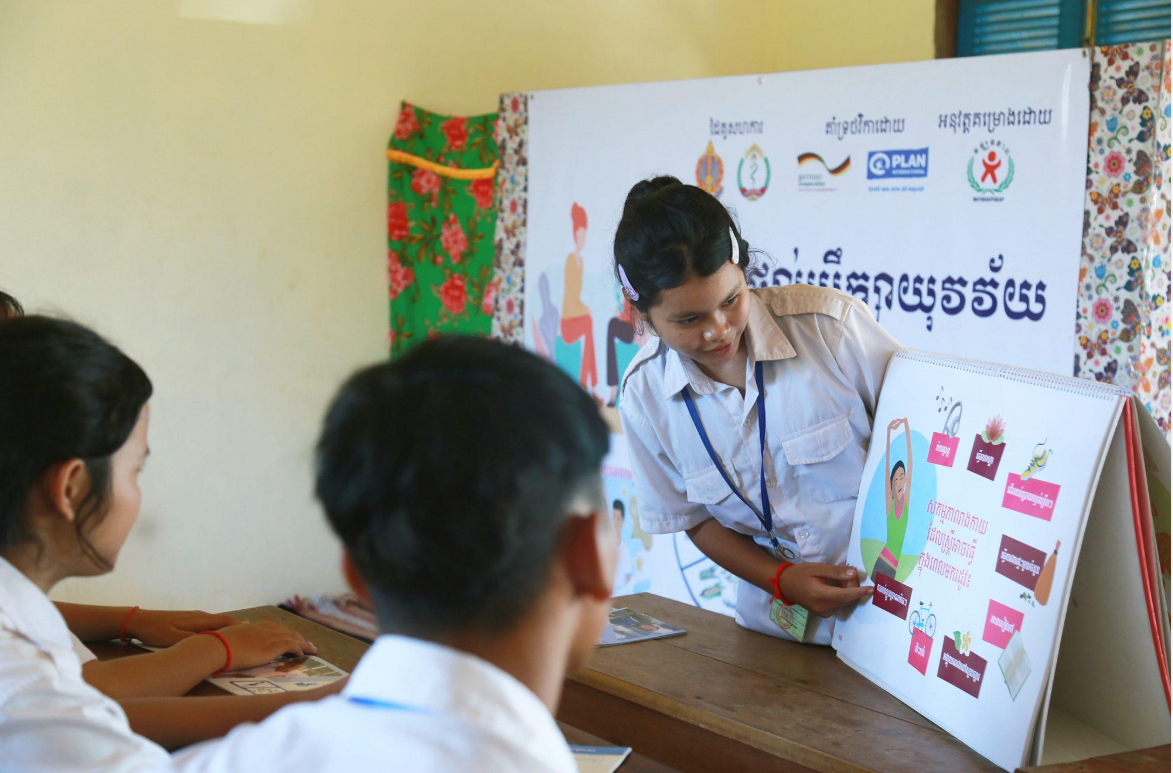
Sexual education is an important part of personal health and development. It helps people understand their bodies, relationships, reproductive health, personal boundaries, and responsible decision-making. Many people think sexual education only teaches students about reproduction. However, it covers much more than that. It also includes puberty, emotional well-being, consent, healthy relationships, gender equality, contraception, sexually transmitted infections (STIs), and personal safety. Understanding sexual education helps children, teenagers, and adults make informed decisions and develop respectful attitudes toward themselves and others. What Is Sexual Education? Sexual education, also called sex education or sexuality education, is the process of teaching people about human sexuality, reproductive health, relationships, and personal well-being. It provides accurate, age-appropriate information about physical, emotional, and social aspects of sexuality. Comprehensive sexuality education helps learners understand: The main purpose is to help individuals develop knowledge, confidence, and skills to make informed and responsible decisions. Why Is Sexual Education Important? Sexual education plays an important role in individual and public health. It helps people understand their bodies, recognize unsafe situations, and develop respectful relationships. 1. Builds Awareness About the Human Body Sexual education teaches people about body parts, reproductive organs, puberty, and normal physical changes. This knowledge can reduce confusion and help individuals understand their health. 2. Promotes Healthy Relationships It explains the importance of respect, trust, communication, equality, and emotional understanding in relationships. 3. Teaches Consent and Personal Boundaries Learners understand that everyone has the right to set personal boundaries and that consent must be freely given, informed, and reversible. 4. Prevents Health Risks Accurate information about contraception, pregnancy, and sexually transmitted infections can help individuals understand health risks and prevention methods. 5. Encourages Responsible Decision-Making Sexual education helps people evaluate information, understand consequences, and make decisions based on accurate knowledge rather than myths or pressure. 6. Reduces Shame and Misinformation Open, respectful discussions can help correct common misconceptions and make it easier for people to seek reliable health information. What Topics Are Covered in Sexual Education? Comprehensive sexual education includes several subjects related to physical health, emotional development, relationships, and safety. 1. Human Anatomy and Reproductive Health Students learn about the human body and reproductive systems, including the basic functions of reproductive organs. 2. Puberty and Adolescence Puberty is the stage when a child’s body gradually develops toward physical maturity. Sexual education explains common changes such as: It also explains that puberty happens at different times for different individuals. 3. Menstrual Health Menstrual education explains the menstrual cycle, period hygiene, common symptoms, and when someone should seek medical advice. It helps reduce stigma and encourages people to discuss menstrual health openly. 4. Pregnancy and Reproduction Learners receive age-appropriate information about fertilization, pregnancy, childbirth, and reproductive health. 5. Contraception and Family Planning For age-appropriate learners, sexual education explains different contraception methods and their role in preventing unintended pregnancy. It may also cover the importance of discussing reproductive health with qualified healthcare professionals. 6. Sexually Transmitted Infections (STIs) Students learn what sexually transmitted infections are, how they can spread, how to reduce risks, and why testing and medical care matter. 7. Consent and Personal Safety Consent education teaches individuals to understand personal boundaries, respect others, recognize inappropriate behavior, and seek help when necessary. 8. Emotional Health and Relationships Sexual education also covers feelings, attraction, self-esteem, communication, respect, and healthy relationship behavior. What Are the Benefits of Sexual Education? Sexual education offers several benefits for individuals, families, schools, and communities. Benefit How It Helps Better health awareness Improves understanding of reproductive and sexual health Informed decisions Helps people evaluate choices and consequences Safer relationships Encourages respect, communication, and consent STI prevention knowledge Explains risks, testing, and prevention Puberty awareness Prepares young people for physical changes Personal safety Helps individuals recognize unsafe situations Reduced misinformation Corrects myths and misunderstandings Gender equality Encourages dignity and respect for everyone What Is the Difference Between Sexual Education and Reproductive Health Education? Sexual education and reproductive health education are closely related, but they are not exactly the same. Sexual education is a broader subject that covers sexuality, relationships, consent, personal boundaries, emotional well-being, and reproductive health. Reproductive health education focuses more specifically on the reproductive system, menstruation, pregnancy, contraception, fertility, and related health matters. Both subjects help individuals understand their bodies and make informed health decisions. Why Should Sexual Education Be Taught in Schools? Schools provide an important environment for delivering accurate and age-appropriate health information. When taught by trained educators, sexual education can help students understand development, relationships, personal safety, and health responsibilities. Important reasons to include it in school education include: Schools should use age-appropriate materials, respect cultural contexts, and create an environment where students can ask questions without embarrassment or discrimination. What Is Age-Appropriate Sexual Education? Age-appropriate sexual education means providing information that matches a learner’s age, development, understanding, and needs. For Young Children Education can focus on: For Pre-Teens Education can introduce: For Teenagers Education can cover: For Adults Sexual education can include: The information should be accurate, inclusive, and appropriate to the learner’s circumstances. What Is the Role of Parents in Sexual Education? Parents and caregivers play an important role in helping children understand their bodies, relationships, and personal safety. They can support sexual education by: Parents do not need to explain everything in one conversation. Regular, age-appropriate discussions can help children feel more comfortable asking questions. Common Myths About Sexual Education There are several misconceptions about sexual education. Myth 1: Sexual Education Only Teaches About Sex Fact: It also covers puberty, health, consent, relationships, personal safety, and emotional well-being. Myth 2: Sexual Education Encourages Early Sexual Activity Fact: Comprehensive sexuality education is designed to provide accurate information and support informed, responsible decisions. It does not mean encouraging sexual activity. Myth 3: Only Teenagers Need Sexual Education Fact: Age-appropriate learning can begin in childhood and continue through adolescence and adulthood. Myth 4: Parents Should Not Discuss Sexual Health With Children Fact: Open and respectful communication can help children understand their bodies and recognize unsafe situations. Myth 5: Sexual Education Is
Special Education Day: Date, History, Importance, and Celebration Ideas
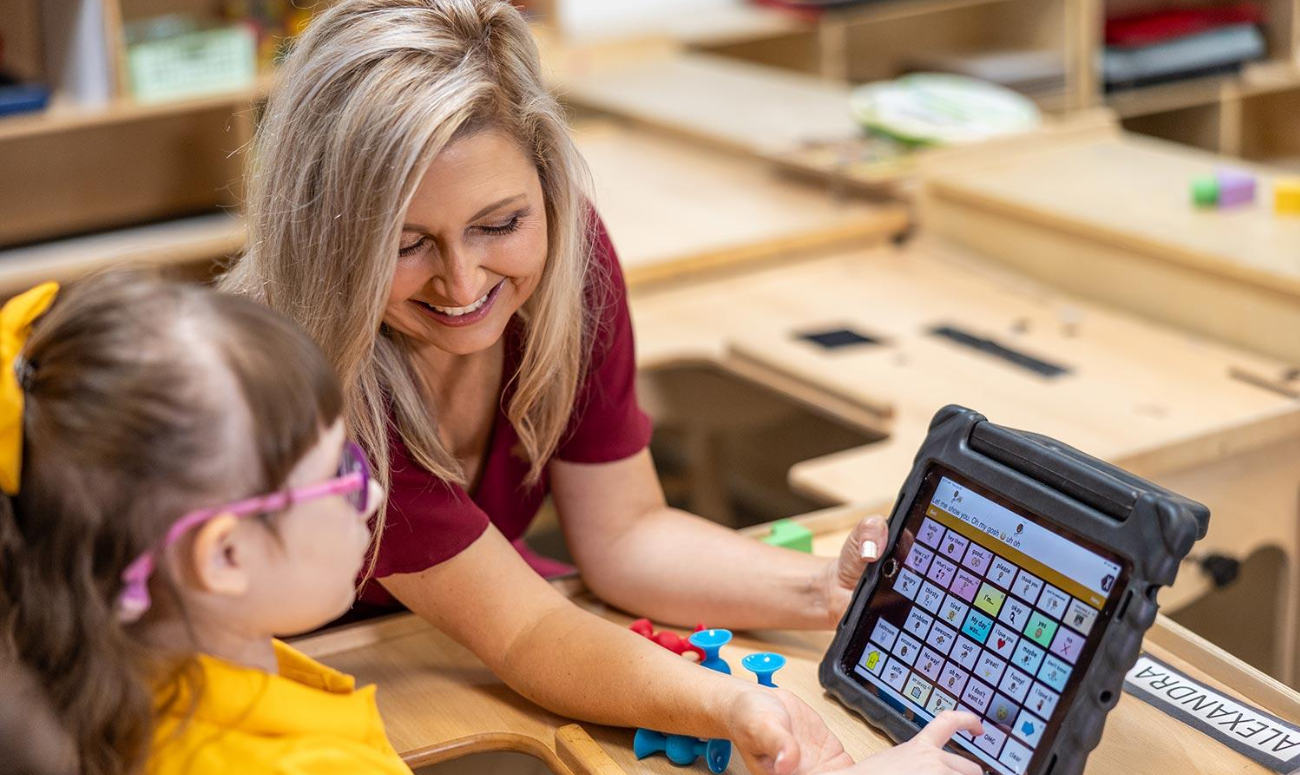
Special Education Day is an important occasion that recognizes the rights, achievements, and educational needs of students with disabilities. It highlights the importance of inclusive classrooms, equal learning opportunities, and the dedicated educators, parents, and support professionals who help every learner succeed. Observed annually on December 2 in the United States, Special Education Day commemorates the signing of the Individuals with Disabilities Education Act (IDEA) in 1975. The day encourages schools and communities to recognize progress in special education and continue working toward accessible, supportive learning environments. When Is Special Education Day Celebrated? National Special Education Day is celebrated every year on December 2. In 2026, Special Education Day will be observed on Wednesday, December 2, 2026. The date marks the anniversary of the signing of the Education for All Handicapped Children Act in 1975, which was later renamed the Individuals with Disabilities Education Act (IDEA). The observance recognizes the importance of educational access and support for students with disabilities. History of Special Education Day Special Education Day is connected to an important milestone in American education. On December 2, 1975, President Gerald Ford signed the Education for All Handicapped Children Act into law. This legislation established important protections and educational rights for children with disabilities. The law was later renamed the Individuals with Disabilities Education Act, commonly known as IDEA. Before these protections, many children with disabilities faced barriers to attending public schools and receiving appropriate educational support. The legislation helped establish a stronger legal foundation for access to public education and specialized services. Special Education Day was established in 2005 to recognize this progress and encourage continued improvements in special education. The 50th anniversary of the original legislation was marked in 2025. What Is the Purpose of Special Education Day? The main purpose of Special Education Day is to promote awareness, inclusion, accessibility, and equal educational opportunities. It highlights several important goals: 1. Promote Inclusive Education Every student deserves an opportunity to learn and participate in school activities. Inclusive education encourages schools to remove barriers and create supportive environments for students with different learning needs. 2. Recognize Students with Disabilities Special Education Day celebrates the strengths, abilities, talents, and achievements of students with disabilities. 3. Appreciate Special Education Teachers Special education teachers play an important role in helping students develop academic, social, communication, and independent-living skills. 4. Raise Awareness About Learning Differences The day encourages conversations about disabilities, learning differences, accessibility, and the support students may need. 5. Encourage Equal Opportunities It reminds schools, families, and communities that students should have meaningful opportunities to participate in education and reach their potential. Why Is Special Education Day Important? Special Education Day is important because education should be accessible to all learners. Students may experience different physical, intellectual, developmental, sensory, communication, or learning-related needs. Appropriate support can help them participate in classroom activities and make progress toward individual goals. The observance is important for several reasons: Role of Special Education Teachers Special education teachers support students who need individualized instruction or additional educational assistance. Their responsibilities may include: Their work helps students access learning opportunities and develop skills for everyday life. How Schools Can Celebrate Special Education Day Schools can organize meaningful activities to recognize students with disabilities and promote inclusive education. 1. Organize Awareness Programs Teachers can arrange short presentations or classroom discussions about disability awareness, accessibility, and inclusive learning. 2. Create Inclusive Art Activities Students can participate in drawing, painting, crafts, and collaborative projects that celebrate individuality and creativity. 3. Appreciate Special Education Teachers Schools can recognize special education teachers, teaching assistants, therapists, and other professionals for their contributions. 4. Arrange Inclusive Games Organize activities that allow students with different abilities to participate. Adapt the rules, equipment, or environment when needed. 5. Display Awareness Posters Students can create posters with messages about equality, accessibility, respect, and inclusive education. 6. Invite Parents and Community Members Schools can organize meetings or awareness sessions where families and educators discuss ways to improve student support. 7. Share Student Achievements Celebrate students’ academic, artistic, social, and personal achievements while respecting their privacy and preferences. Special Education Day Activities for Students Here are some simple and engaging activities for classrooms and school events. Activity Purpose Poster-making competition Promote inclusion and awareness Inclusive storytelling Encourage understanding and empathy Art and craft activities Celebrate creativity Accessible sports and games Encourage participation Classroom discussions Build disability awareness Thank-you cards for teachers Recognize educators Student talent showcase Celebrate individual strengths Activities should be planned with students rather than simply for them. Ask about individual preferences and provide accessible ways for everyone to participate. Special Education Day Quotes and Messages Schools and organizations can use these messages in newsletters, posters, presentations, and social media posts. How Parents Can Support Special Education Parents and caregivers play an important role in supporting children with disabilities. They can help by: Strong communication between families and schools can help create more consistent support for students. Special Education Day and Inclusive Education Special education and inclusive education are closely connected, but they are not exactly the same. Special education focuses on specially designed instruction and services that address individual educational needs. Inclusive education emphasizes removing barriers so students with different abilities can participate meaningfully in learning environments. An inclusive school may provide: The goal is to help every student participate, learn, and develop to the best of their ability. What Is the Individuals with Disabilities Education Act (IDEA)? The Individuals with Disabilities Education Act (IDEA) is a United States federal law that supports special education and related services for eligible children with disabilities. It establishes important protections, including access to a free appropriate public education (FAPE) and the development of an Individualized Education Program (IEP) for eligible students. IDEA also addresses early intervention services for eligible infants and toddlers and educational services for eligible children and youth. The law is an important part of the history and purpose of National Special Education Day. Is Special Education Day Celebrated Around the World? Special Education