

In today’s fast-changing world, education is not only about books, exams, and grades. Students also need guidance, confidence, and emotional strength to face real-life challenges. Many schools are now realizing that academic teaching alone is not enough to prepare students for the future. This is where motivational speakers play an important role. They help students build a positive mindset, improve focus, and develop self-belief. As pressure increases in academic environments, the demand for inspirational guidance is growing quickly. Motivational speakers bring energy and real-life experiences that help students connect learning with purpose and direction. Changing Needs of Modern Education Modern education systems are more competitive than ever before. Students are expected to perform well in exams, participate in activities, and also prepare for future careers at an early stage. This creates stress and sometimes lowers confidence. Traditional teaching methods focus mainly on subjects, but they do not always address emotional or mental development. Because of this gap, schools are now looking for new ways to support students beyond textbooks. Motivational speakers help fill this gap by encouraging students to stay focused, manage pressure, and believe in their abilities even during difficult times. Role of a Motivational Speaker in Schools A motivational speaker brings real-life stories, practical lessons, and positive energy into the school environment. They speak in a simple and engaging way that students can easily understand. Instead of only teaching theory, they share experiences about failure, success, discipline, and hard work. This helps students realize that challenges are a natural part of life. A motivational speaker for schools can also guide students about goal setting, time management, and self-discipline. Their sessions often create a strong emotional impact, making students more aware of their potential and responsibilities. How Motivational Speakers Improve Student Performance When students feel motivated, their performance naturally improves. A positive mindset helps them concentrate better in class and stay consistent in their studies. Motivational speakers encourage students to believe that effort matters more than fear of failure. This change in thinking can lead to better academic results and improved participation in school activities. Students also become more confident in expressing their ideas and asking questions. Over time, this creates a healthy learning environment where students are not afraid of mistakes but instead learn from them. Why Schools Are Hiring Motivational Speakers for Schools Many educational institutions now understand the value of emotional and mental development. That is why the demand for a motivational speaker for schools is increasing rapidly. Schools invite these speakers during special events, orientation programs, and career guidance sessions. Their presence helps students feel inspired and more connected to their goals. Teachers also benefit because motivated students are easier to guide and teach. This collaboration between educators and motivational speakers creates a more balanced and supportive education system. Long-Term Impact on Students and Teachers The impact of motivational speakers is not limited to a single session. Their messages often stay with students for a long time. Students develop stronger self-confidence, better decision-making skills, and a more positive attitude toward life. Teachers also notice improved classroom behavior and engagement. In the long run, this leads to a healthier academic culture where both learning and personal growth are valued equally. Schools that regularly include motivational programs often see better discipline, higher performance, and more active student participation. Conclusion Motivational speakers are becoming an important part of modern education because they address the emotional and psychological needs of students. In a world full of pressure and competition, students need more than academic knowledge to succeed. They need inspiration, guidance, and confidence. By bringing real-life experiences and positive thinking into schools, motivational speakers help shape stronger and more focused individuals. As education continues to evolve, their role will only become more essential in building a better future for students and society.

The Future of Personalized Education Through Microschools
Education is changing rapidly as families look for more flexible and personalized learning options for their children. Traditional classrooms often struggle to meet the diverse needs of every student, leading many parents to explore alternatives that focus on individual growth, creativity, and real world skills. In the middle of this shift, Lighthouse Learning Microschool is gaining attention as a modern approach that blends structure with adaptability, giving students a more engaging learning experience. Microschools are small learning communities designed to provide tailored education with fewer students per teacher. This allows educators to focus on each child’s strengths, interests, and pace of learning. Unlike conventional schools, microschools often combine different teaching styles, including project based learning, hands on activities, and digital tools. This hybrid model helps students stay motivated while developing critical thinking and problem solving abilities. One of the biggest advantages of microschools is the flexibility they offer. Parents and educators can collaborate to design a curriculum that suits the child’s goals. Whether a student is academically advanced, needs extra support, or has a passion for arts or technology, microschools can adapt accordingly. This level of customization is rarely possible in larger institutions where standardized teaching methods dominate. Another key benefit is the strong sense of community. With smaller class sizes, students build deeper connections with their peers and teachers. This supportive environment encourages open communication and boosts confidence. Students feel more comfortable asking questions, expressing ideas, and participating in discussions. As a result, learning becomes more interactive and meaningful rather than passive. Microschools also emphasize real world skills that are essential for future success. Instead of focusing solely on textbooks and exams, students engage in activities that promote collaboration, creativity, and independent thinking. They might work on group projects, explore entrepreneurship concepts, or participate in community based initiatives. These experiences help them develop practical knowledge that goes beyond traditional academics. Technology plays a significant role in microschool education. Digital platforms allow students to access a wide range of resources and learn at their own pace. Teachers can track progress more effectively and adjust lessons based on individual performance. This data driven approach ensures that no student is left behind while also challenging those who are ready to move ahead. For parents, microschools offer greater involvement in their child’s education. They can stay informed about daily activities, learning progress, and overall development. This partnership between parents and educators creates a more transparent and supportive system. It also allows families to align educational goals with personal values and expectations. Despite these benefits, some families may have concerns about transitioning to a microschool model. Questions about accreditation, social interaction, and long term outcomes are common. However, many microschools address these concerns by maintaining high academic standards and providing opportunities for group activities, field trips, and collaborative learning. Students often interact with peers from different backgrounds, which enriches their social experience. The growing popularity of microschools reflects a broader shift in how education is perceived. Families are moving away from one size fits all systems and seeking environments that nurture individuality. Microschools represent a balance between structure and freedom, allowing students to explore their interests while still meeting academic goals. In addition, microschools can be a great option for students who struggle in traditional settings. Whether due to learning differences, social challenges, or lack of engagement, these students often thrive in smaller, more personalized environments. Teachers can provide targeted support and create strategies that work best for each learner, leading to improved outcomes and greater confidence. Looking ahead, microschools are likely to play an important role in the future of education. As more families search for a microschool near me, the demand for innovative and flexible learning solutions will continue to grow. This trend highlights the need for education systems that prioritize student centered approaches and adapt to the changing needs of society. In conclusion, microschools offer a refreshing alternative to traditional education by focusing on personalization, community, and real world skills. They empower students to take control of their learning journey while providing the support they need to succeed. As this model continues to evolve, it has the potential to reshape the educational landscape and create more meaningful learning experiences for students everywhere.

How to Choose the Right Toddler Preschool for Your Child’s Early Learning
Choosing a toddler preschool is an important step in your child’s early development. These early years lay the foundation for learning, social skills, and emotional growth. Selecting the right preschool can make a significant difference in your child’s experience and development. In this article, we will guide you through practical steps to help you choose the best toddler preschool for your child. Understanding Your Child’s Needs Every child is unique, with different learning styles, interests, and temperaments. Before searching for a preschool, consider what environment will best support your child. Some toddlers thrive in structured settings with clear routines, while others benefit from more flexible, play-based learning. Knowing your child’s needs can help you narrow down your choices and find a preschool that matches their personality and learning style. Researching Toddler Preschools Start by researching preschools in your area. Look for programs that focus on early learning, social development, and creativity. Check their curriculum, teaching methods, and daily schedules. A good toddler preschool should balance structured activities with playtime, allowing children to explore and learn at their own pace. Online reviews, parent testimonials, and local parenting groups can also provide helpful insights about different preschools. Visiting Preschools in Person Visiting a preschool gives you a firsthand look at the environment and how teachers interact with children. Observe the classroom setup, cleanliness, and safety measures. Notice how children respond to the activities and whether they seem engaged and happy. Meeting the teachers and asking about their qualifications, experience, and approach to early learning will give you confidence in the quality of care your child will receive. Evaluating Teacher-to-Child Ratio The teacher-to-child ratio is a critical factor in toddler preschools. Smaller groups ensure that each child receives more individual attention and support. Toddlers need guidance as they develop social skills, learn to share, and explore new concepts. A low ratio allows teachers to respond quickly to each child’s needs and foster a nurturing and safe learning environment. Considering Location and Schedule Practical considerations like location, schedule, and fees are also important. Choosing a preschool close to home or work can make drop-offs and pick-ups easier. Look for a schedule that aligns with your family’s daily routine. Some preschools offer half-day programs, while others provide full-day care. Consider what will work best for your family and your child’s needs. Understanding Curriculum and Learning Approach Different toddler preschools use different teaching methods. Some focus on structured academics, while others emphasize play-based learning and social development. Understanding the curriculum and learning approach is essential to ensure it aligns with your goals for your child. A preschool that fosters curiosity, creativity, and early literacy can provide a strong foundation for lifelong learning. Checking Safety and Cleanliness Standards Safety is a top priority when choosing a toddler preschool. Ensure the facility follows proper safety measures, including secure entrances, childproofed classrooms, and emergency protocols. Cleanliness is equally important to prevent the spread of germs and illnesses. A well-maintained environment helps children feel comfortable and safe while exploring and learning. Trusting Your Instincts Finally, trust your instincts as a parent. While research, visits, and reviews are helpful, your intuition about a preschool matters. Observe how your child reacts to the environment and the teachers. If your child feels happy, comfortable, and excited to attend, it is likely a good fit. Choosing a preschool is not only about quality education but also about emotional comfort and trust. Conclusion Choosing the right toddler preschool is a crucial decision that affects your child’s early learning and overall development. By understanding your child’s needs, researching programs, visiting preschools, evaluating teachers, and considering safety, curriculum, and practical factors, you can make an informed choice. A well-chosen toddler preschool provides a nurturing and stimulating environment that prepares your child for a successful journey in education and life. Investing time and effort into this decision ensures your child has a positive and enriching start to their learning journey.

How Working Parents Can Take Care of Their Child in an Effective Way
Balancing a career and family life isn’t always easy. Proper planning, reliable support, and consistent communication can help working parents to meet their children’s emotional, educational, and developmental needs. Once you make thoughtful decisions about daily routines, learning opportunities, and support systems, you can ensure your children receive the care and attention they truly deserve, even with busy schedules. Here is a look at some easy ways for working parents to effectively take care of their children. 1. Choose a Reliable Child Care Option to Support a Child’s Development Selecting the right child care option is one of the most important decisions that working parents can make. Whether it’s a daycare facility, a nanny, or family members, working parents should carefully examine the environment. As working parents, you should look for childcare providers who are experienced, well-trained, and attentive to children’s needs. You can visit the facility, review safety standards, and observe how caregivers interact with children to make a confident choice. In short, if you choose a quality child care environment, you can make sure your children learn, play, and grow smartly while you focus on your work responsibilities. 2. Enroll Your Child in a Trusted Center for Early Childhood Education Early learning plays a vital role in shaping the child’s cognitive and social development. Enrolling your child in a trusted center for early childhood education can provide them with valuable opportunities to learn and grow effectively. These centers focus on developing language skills, problem-solving abilities, and social interaction at an early age. Children who attend quality early education programs can mainly benefit from exposure to creative activities and group learning facilities. In sum, reputable early education centers ensure that your children receive both care and meaningful educational experiences necessary for their overall growth. 3. Establish a Consistent Daily Routine Consistency is very important for children, especially when parents are busy with work. Children can understand what to expect throughout the day if you establish a daily routine. You can include regular times for waking up, meals, school, prayers, playtime, and bedtime in creating a consistent routine. You can also build simple morning and evening routines, such as having breakfast together, giving you extra time to avoid rushed goodbyes, or reading a bedtime story. Maintaining this kind of consistency helps create calm for both you and your child after a busy day. 4. Find a Trusted Support Network Having a trusted support network is just as important for you as it is for your child. If an unexpected situation arises, they are the family members, neighbors, close friends, or other parents who can help. When you have trusted individuals, you can also get assistance in school pickups or emergency childcare. With a supportive network, you can get significant emotional reassurance and feel less stressed. You can share experiences and take advice from other parents. This way, you will feel less overwhelmed and more confident in managing both work and family life. Additionally, your children can receive care and attention from multiple trusted individuals when you have community connections.
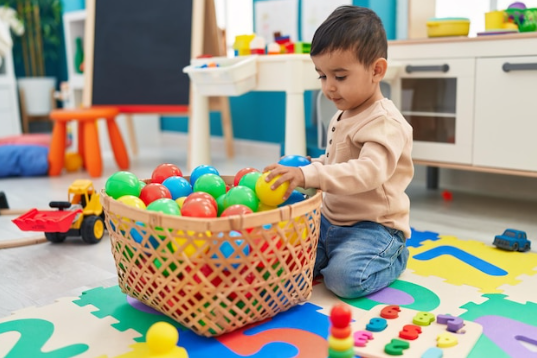
Tips for a Smooth Transition from Preschool to Kindergarten
Starting kindergarten is an exciting milestone for both children and parents. It marks the beginning of a more structured learning journey and introduces new routines, expectations, and social experiences. While this transition can bring joy and pride, it may also cause anxiety for young children. With thoughtful preparation and encouragement, families can make the move from preschool to kindergarten smooth and positive. 1. Start Talking About the Change Early One of the best ways to prepare your child for kindergarten is to start discussing it well in advance. Talk about what a typical school day looks like, including classroom activities, lunch breaks, and playtime. Read books about starting school and share positive stories about your own school experiences. When children know what to expect, they feel more confident and secure. 2. Establish a Consistent Routine Kindergarten often follows a more structured daily schedule than preschool. Begin adjusting your child’s routine a few weeks before school starts. Set regular bedtimes and wake-up times to ensure they get enough rest. Practice morning routines such as getting dressed, brushing teeth, and having breakfast on time. A predictable schedule helps children adapt more easily to their new environment. 3. Encourage Independence Teachers in kindergarten encourage students to complete small tasks on their own. Help your child practice skills like putting on shoes, opening lunch containers, washing hands, and cleaning up toys. These small steps build confidence and prepare them for classroom expectations. Encouraging independence also reduces frustration and makes the child feel capable in a new setting. 4. Build Social and Emotional Skills Social development plays a key role in a successful kindergarten experience. Arrange playdates or group activities so your child can practice sharing, taking turns, and resolving minor conflicts. Teach them how to express feelings using words and how to ask for help when needed. Emotional readiness often has a greater impact than academic skills during the first year of school. 5. Visit the School Together If possible, visit the school before the first day of kindergarten. Walk around the building, locate the classroom, and explore the playground. Meeting the teacher in advance can also ease nervousness. Familiar surroundings help children feel comfortable and reduce first-day anxiety. You can also point out important areas like restrooms, the cafeteria, and the main entrance to help your child feel more confident navigating the new space independently. 6. Focus on Basic Academic Skills While formal academics will be taught in kindergarten, introducing simple learning activities at home can boost confidence. Practice recognizing letters, numbers, shapes, and colors through games and songs. Read together daily to strengthen language skills and listening ability. Keep learning fun and pressure-free to maintain a positive attitude toward education. Conclusion The transition from preschool to kindergarten is a major step in a child’s development. By preparing early, encouraging independence, and fostering emotional readiness, parents can help their children feel confident and excited about this new chapter. With patience, support, and positivity, kindergarten can become a joyful and rewarding experience that sets the foundation for future academic success.
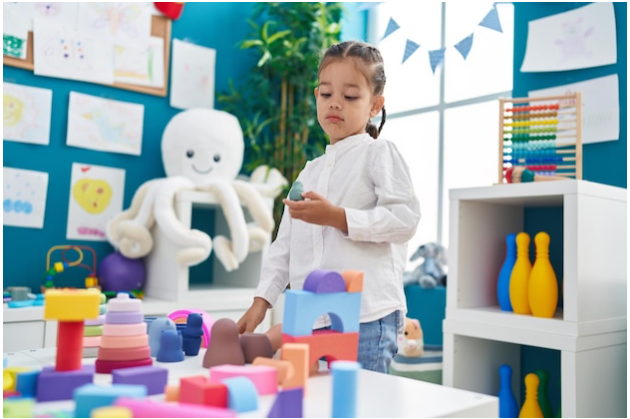
Key Features of an Effective Pre-K Facility
When selecting a pre-k facility for your child, it is crucial to understand what makes a program effective. The right pre-k environment can significantly influence your child’s early development, preparing them for future educational success. Here are some key features to look for in an effective pre-k facility. 1. Warm and Nurturing Environment An effective pre-k facility should provide a warm and nurturing environment. Young children thrive when they feel safe and encouraged, and the atmosphere of a preschool plays a significant role in this. The facility should be designed to be inviting, with bright colors, engaging decorations, and age-appropriate resources. Additionally, staff members should be warm, approachable, and responsive to children’s needs, helping to create a sense of belonging that fosters emotional well-being. 2. Experienced and Caring Educators The quality of educators is a critical aspect of any pre-k facility. An effective program relies on trained and experienced teachers who understand early childhood development. Educators should not only be knowledgeable about age-appropriate curriculum and teaching methods but also be passionate about fostering a love for learning. They should engage with children in meaningful ways, providing guidance and support that cater to individual learning styles and needs. Having attentive and dedicated educators can make all the difference in a child’s learning journey. 3. Structured Curriculum An effective pre-k facility should offer a well-structured curriculum that encompasses various areas of learning. This curriculum should promote cognitive, social, emotional, and physical development. Key components may include early literacy and math skills, art, music, and physical activities. The curriculum should be flexible enough to allow for play-based learning, where children can explore their interests and develop critical thinking skills. This balanced approach ensures that children are prepared for the challenges they will face in kindergarten and beyond. 4. Focus on Social-Emotional Learning Social-emotional learning (SEL) is essential in a pre-k facility as it prepares children to navigate relationships and emotions. An effective program should incorporate activities that promote teamwork, communication, empathy, and self-regulation. By engaging in group activities, children learn to cooperate and resolve conflicts, building a strong foundation for future social interactions. Educators should also encourage open discussions about feelings, helping children understand and express their emotions in a healthy way. 5. Safe and Engaging Learning Spaces A key feature of an effective pre-k facility is the availability of safe and engaging learning spaces. Classrooms should be equipped with a variety of learning materials, such as books, art supplies, and manipulatives that stimulate exploration and creativity. Outdoor play areas are equally important, providing children with opportunities to develop gross motor skills while enjoying fresh air. Safety should always be a priority, with facilities adhering to health and safety standards to ensure a secure environment for all children. Conclusion In conclusion, choosing an effective pre-k facility is essential for your child’s growth and development. By considering features such as a nurturing environment, experienced educators, structured curricula, a focus on social-emotional learning, safe learning spaces, and strong parent involvement, parents can make informed decisions that benefit their child’s early educational experience. An effective pre-k facility lays the foundation for a successful future and instills a lifelong love for learning.

5 Reasons to Enroll Your Kids in a Christian Private School
Choosing the right school for children is one of the most important decisions parents can make. A Christian private school offers a learning environment that combines academics with moral and spiritual development. These schools focus not only on teaching subjects like math, science, and reading but also on guiding children to grow in character, faith, and responsibility. Families looking for a safe and nurturing place for their children often find that Christian private schools provide the perfect balance of education and values. Strong Academic Programs Christian private schools often have strong academic programs that challenge students to do their best. Classes usually have smaller sizes, allowing teachers to give more attention to each student. This personalized approach helps children understand lessons better and feel confident in their learning. Teachers in these schools often integrate faith-based perspectives into subjects, making learning more meaningful. Children gain skills that prepare them for higher education and future careers while growing in a thoughtful and disciplined learning environment. Focus on Moral and Spiritual Growth One of the biggest advantages of a christian private school is its focus on moral and spiritual growth. Students learn about kindness, honesty, respect, and responsibility through everyday lessons and activities. They also have opportunities to attend chapel, Bible classes, and service projects, which encourage them to live out their faith in practical ways. This strong foundation helps children make good decisions and develop values that guide them throughout life. Growing in faith alongside academics helps students build a sense of purpose and direction. Safe and Supportive Environment Christian private schools usually provide a safe and supportive environment for students. Teachers and staff work to create a positive atmosphere where children feel respected and cared for. Discipline focuses on teaching rather than punishment, and bullying is taken seriously. Parents can feel confident that their children are in a place where learning is protected from harmful influences. A safe environment helps children focus on their studies, make friends, and develop social skills without fear or stress. Opportunities for Leadership and Service These schools encourage students to take on leadership roles and serve their communities. Many Christian private schools offer clubs, sports, and service programs where students can develop teamwork, responsibility, and compassion. Participating in service projects teaches children to care about others and make a difference in the world. Leadership opportunities allow students to gain confidence and learn important life skills. This combination of service and leadership shapes students into well-rounded individuals who are ready to contribute positively to society. Close Community and Family Involvement Christian private schools often have close communities where teachers, students, and parents work together. Families are encouraged to participate in school events, volunteer opportunities, and parent-teacher meetings. This involvement strengthens the connection between home and school, creating a supportive network for children. Students benefit from consistent guidance and encouragement from both teachers and parents. A close community helps children feel valued, respected, and motivated to succeed academically and personally. Conclusion Enrolling children in a Christian private school provides more than just academic knowledge. It supports their moral, spiritual, and personal development while giving them a safe and nurturing environment to grow. These schools prepare children for success in life by teaching strong values, offering leadership and service opportunities, and fostering a close-knit community. Families who choose a Christian private school give their children a chance to thrive academically, socially, and spiritually, building a strong foundation for the future.
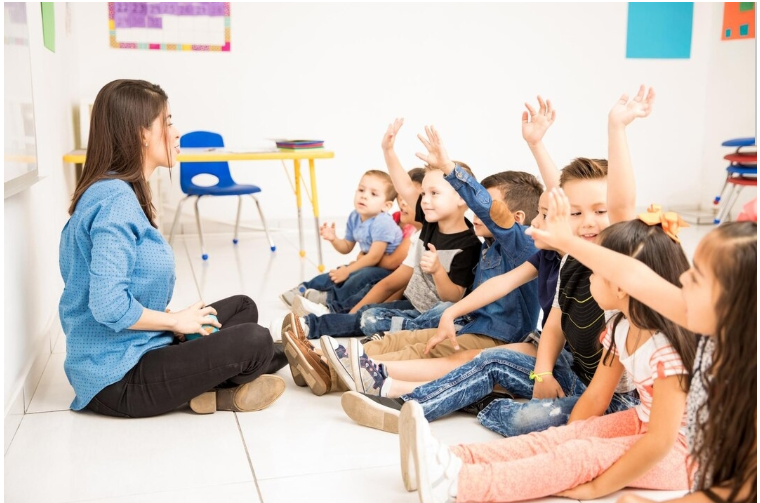
5 Tips to Find a Suitable Kindergarten Program for Your Kid
Choosing the right educational setting for a young child is one of the most important decisions parents make. Early childhood shapes how children learn, interact, and build confidence. A nurturing learning environment supports emotional security, curiosity, and healthy development. When children feel safe and encouraged, they engage more deeply and develop a positive attitude toward learning. A well-chosen kindergarten program supports growth beyond academics. It introduces structure, social interaction, and foundational skills that prepare children for future learning. Let’s discuss 5 tips to find a suitable kindergarten program that can support your kid’s learning. Read on! Focus on Learning Philosophy and Daily Approach Every learning environment follows a philosophy that guides teaching methods and daily routines. Understanding this approach of a kindergarten program helps parents determine whether it aligns with their child’s learning style. Some environments emphasize play-based learning, allowing children to explore concepts through hands-on activities. Others introduce structured lessons to build early academic skills. Both approaches offer value when applied appropriately. Daily routines reveal how learning unfolds. Balanced schedules include time for learning, play, rest, and creativity. This balance supports attention and prevents fatigue. Evaluate the Learning Environment and Safety Standards The physical environment influences comfort and engagement. Clean, organized spaces promote focus and emotional security. Bright, welcoming classrooms encourage curiosity and participation. Safety standards deserve close attention. Secure entrances, supervised play areas, and clear emergency procedures protect children’s well-being. A safe environment allows children to explore confidently. Outdoor spaces also matter. Access to safe play areas supports physical development and social interaction. Movement improves concentration and emotional balance. Understand Teacher Qualifications Teachers play an important role in early education. Their qualifications, experience, and communication style shape the learning experience. Well-trained educators understand child development and adapt teaching methods accordingly. They recognize individual differences and provide appropriate support. Interaction style matters as much as credentials. Teachers who communicate with patience and warmth create emotional security. Positive reinforcement builds confidence and motivation. Observing teacher-child interaction reveals how discipline, encouragement, and guidance occur. Respectful communication supports trust and cooperation. Assess Curriculum Balance A balanced curriculum supports holistic development. Academic readiness, social skills, and creativity deserve equal attention. Early literacy and numeracy introduce foundational concepts without pressure. Children learn through stories, songs, and interactive activities. Social skills develop through group interaction. Sharing, cooperation, and empathy form through guided play and collaboration. Creative activities support imagination and self-expression. Art, music, and movement encourage emotional expression and problem-solving. A well-rounded curriculum supports growth across multiple areas, ensuring balanced development. Consider Communication and Family Alignment Strong communication between educators and families supports consistency. Regular updates help parents understand progress and address concerns. Shared values create alignment. When families and educators share expectations regarding behavior, learning, and respect, children receive consistent messages. Open communication also fosters trust. Parents feel confident when educators listen and respond thoughtfully. Family involvement strengthens learning. When parents reinforce routines and values at home, children experience stability and confidence. It improves confidence and overall learning experience.
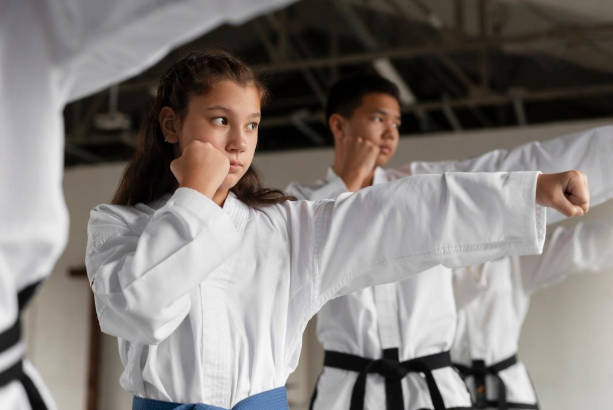
Why Learning Martial Arts Is Essential for Your Kids
Kids are like sponges, soaking up everything around them as they experience life. As parents, you should strive to provide them with tools that will not only help them grow physically but also develop invaluable life skills. One such avenue gaining increasing attention is martial arts. Far beyond mere physical activity, martial arts instill confidence, discipline, and respect in your children. Here, we will explore why martial arts are essential for your child. 1. MMA Lessons Teach Self-Defense In martial arts training, your children will learn self-defense techniques to boost confidence and self-assurance. In this unpredictable world, it is vital to teach your kids how to protect and defend themselves for personal safety and peace of mind. Martial arts lessons provide more than just a set of physical techniques. These lessons teach them essential skills that empower them to protect themselves in dangerous situations. Whether learning basic moves or gaining heightened awareness, mma lessons for beginners are extremely important. These lessons help kids learn to spot warning signs and anticipate threats to navigate life confidently and securely. 2. Improves Focus and Concentration Many children struggle with focus and concentration due to constant digital distractions. Martial arts training can address this problem. This training requires students to pay attention to the instructor, remember techniques, and perform movements accurately, blocking out distractions. When children inherit this kind of discipline and mental engagement in martial arts classes, their executive functioning, including planning, memory, and self-control, will be improved. As a result, they will succeed in school and in everyday challenges. 3. Promotes Physical Fitness Martial arts provide a comprehensive physical workout. Unlike traditional ab workouts that focus on isolated movements, martial arts include strength, flexibility, balance, endurance, and coordination. Kicking, punching, grappling, and footwork drills improve the children’s muscular strength and cardiovascular endurance. In a modern age, where a sedentary lifestyle is prevailing, martial arts keep your children active and engaged in exercises that they can truly enjoy. These exercises also improve motor skills and agility, and promote healthier body composition in children so that they can live a healthier lifestyle. 4. Develops Social Skills Martial arts also help in developing social skills. This is because of the teamwork environment. In martial arts classes, children learn how to resolve conflicts, make new friends, and show compassion. They are working alongside children with the same goals as they, learning and growing together. They learn to work together, cheer on one another, and support their peers. Moreover, partner drills, group warm-ups, and sparring sessions improve their communication and cooperation. All these qualities help children develop interpersonal relationships both inside and outside the martial arts center. 5. Builds Character Martial arts training is a unique platform for building character and instilling essential life skills in your children. On this mat, your kids learn discipline, values of respect, and perseverance. They learn the importance of humility in both victory and defeat. Martial arts teach your children to embrace challenges as opportunities for growth, determination, and fostering resilience.

How Education Law Impacts Teacher Responsibilities
Teaching is more than guiding lessons and grading papers. It’s a balance of nurturing students and meeting legal obligations. Education law shapes this balance, influencing what teachers can and cannot do in their classrooms. Understanding these laws is essential for every educator. It ensures not only student safety but also protects teachers professionally. Defining Education Law and Its Scope Education law refers to the rules and regulations that govern schools, teachers, and students. It includes local, state, and federal laws. These laws cover areas like student rights, teacher conduct, and school policies. For teachers, education law is a guide for maintaining ethical and legal standards. Following these regulations reduces the risk of legal disputes while ensuring a safe learning environment. Education law directly affects the daily responsibilities of teachers. Teacher Responsibilities in Student Safety and Welfare A key area shaped by education law is student safety. Teachers must follow rules on supervision, reporting abuse, and emergency procedures. They are legally obligated to act in the best interest of students at all times. This includes preventing bullying and addressing harmful behaviors promptly. Education law ensures teachers understand these responsibilities clearly, making safety a top priority in their professional duties. Academic Integrity and Legal Obligations Teachers are also responsible for maintaining academic integrity. Education law outlines policies for grading fairness, testing procedures, and student records management. Teachers must avoid bias, maintain confidentiality, and follow standardized evaluation methods. Legal frameworks guide educators on proper documentation and reporting of academic misconduct. In this way, education law reinforces accountability and fairness in teaching practices. Inclusion and Special Education Requirements Another major impact of education law is on special education and inclusion. Teachers must comply with regulations like the Individuals with Disabilities Education Act (IDEA). These laws require personalized learning plans, accommodations, and regular progress tracking. Teachers must understand and implement these legal requirements to ensure equal opportunities for all students. Education law directly informs how teachers approach diverse classroom needs and supports inclusive learning. Professional Conduct and Employment Guidelines Education law also governs teacher behavior and professional standards. It defines acceptable conduct, employment contracts, and disciplinary procedures. Teachers must follow codes of ethics and remain aware of legal boundaries in interactions with students and colleagues. This legal framework protects both educators and students, establishing clear expectations in the workplace. Education law therefore plays a central role in shaping teacher responsibilities and professional behavior. Technology Use and Legal Considerations In today’s classrooms, digital tools are everywhere. Education law covers issues like student data privacy, copyright rules, and responsible technology use. Teachers must ensure online safety, follow data protection laws, and use educational resources legally. Awareness of these legal considerations prevents violations and fosters a secure digital environment. By adhering to education law, teachers safeguard both their students and themselves in the digital age. Conclusion Education law is not just paperwork or bureaucracy. It defines how teachers interact with students, manage classrooms, and uphold professional standards. From student safety to inclusion, academic integrity, and digital responsibility, the law shapes almost every aspect of teaching. Understanding and following these regulations ensures teachers can perform their duties effectively while protecting the rights and well-being of their students. Education law, in essence, is a vital guide that empowers teachers to educate responsibly and confidently.