

Emotional intelligence (EI) refers to the ability to recognize, understand, and manage our own emotions and the emotions of others. In the context of education, EI plays a crucial role in student success. While academic skills are often emphasized, emotional intelligence is equally important for students’ overall development and achievement. This article explores the significance of emotional intelligence in student success, highlighting its impact on academic performance, social interactions, and personal well-being. Impact on Academic Performance Emotional intelligence significantly influences students’ academic performance. It equips them with essential skills that enhance their learning experiences and academic achievements. Self-Regulation and Focus: Students with high emotional intelligence are better at self-regulation, which helps them manage their emotions, behaviors, and impulses. This ability is crucial for maintaining focus and concentration during studies. For example, a student who can manage stress and anxiety effectively is more likely to perform well in exams and assignments. Emotional intelligence enables students to stay calm under pressure, set realistic goals, and persist through challenges, leading to improved academic outcomes. Motivation and Resilience: Emotional intelligence fosters intrinsic motivation, encouraging students to pursue their academic goals with enthusiasm and determination. Students with high EI are more resilient, meaning they can bounce back from setbacks and continue to strive for success. For instance, a student who receives a poor grade on a test can use their emotional intelligence to analyze the situation, learn from their mistakes, and develop a plan for improvement, rather than becoming discouraged or giving up. Empathy and Collaboration: Emotional intelligence enhances students’ ability to empathize with others, which is essential for effective collaboration. Group projects and collaborative learning are integral parts of the modern educational landscape. Students with high EI can understand their peers’ perspectives, communicate effectively, and work cooperatively to achieve common goals. This collaborative spirit not only improves academic performance but also prepares students for teamwork in their future careers. Effective Communication: High EI helps students communicate their thoughts and feelings clearly and respectfully. Effective communication is vital for participating in class discussions, asking for help, and building relationships with teachers and peers. For example, a student who can express their concerns about a difficult assignment is more likely to receive the support they need from their teacher. This ability to communicate effectively contributes to a more positive and productive learning environment. Influence on Social Interactions and Personal Well-being Emotional intelligence also plays a crucial role in shaping students’ social interactions and overall well-being. It helps them build positive relationships, manage stress, and maintain a healthy balance between academic and personal life. Building Positive Relationships: Emotional intelligence enables students to build and maintain healthy relationships with peers, teachers, and family members. By understanding and managing their own emotions, students can respond appropriately to others’ emotions, fostering positive interactions. For instance, a student who can empathize with a classmate who is feeling sad or anxious can offer support and understanding, strengthening their friendship. These positive relationships create a supportive network that contributes to students’ emotional and social development. Conflict Resolution: High EI equips students with skills to resolve conflicts effectively. They can approach disagreements with a calm and constructive mindset, seeking solutions that are fair and beneficial for all parties involved. For example, a student who can manage their anger and frustration during a disagreement with a peer is more likely to find a peaceful resolution. This ability to handle conflicts maturely reduces stress and promotes a harmonious learning environment. Stress Management: Emotional intelligence plays a vital role in managing stress and maintaining mental health. Students often face various stressors, including academic pressures, social challenges, and personal issues. Those with high EI can identify the sources of their stress and employ strategies to cope with it effectively. For instance, a student who practices mindfulness techniques or seeks support from a counselor can better manage their stress levels. Effective stress management enhances students’ well-being and enables them to perform better academically and socially. Self-Awareness and Personal Growth: Self-awareness is a key component of emotional intelligence that involves understanding one’s own emotions, strengths, and weaknesses. Students with high self-awareness can reflect on their experiences, recognize areas for improvement, and set personal growth goals. For example, a student who is aware of their tendency to procrastinate can develop strategies to manage their time more effectively. This continuous self-improvement fosters personal growth and resilience, preparing students for future challenges. Balancing Academic and Personal Life: Emotional intelligence helps students maintain a healthy balance between their academic responsibilities and personal life. By managing their emotions and setting realistic priorities, students can avoid burnout and ensure they have time for relaxation, hobbies, and social activities. For example, a student who can manage their workload efficiently and take regular breaks is more likely to maintain a positive attitude and sustain their academic performance over time. This balance is crucial for long-term success and well-being. Integrating Emotional Intelligence in Education Given the significant impact of emotional intelligence on student success, it is essential to integrate EI development into the educational curriculum. Schools and educators can play a vital role in fostering students’ emotional intelligence through targeted programs and practices. Social-Emotional Learning (SEL) Programs: Implementing SEL programs in schools can systematically teach students emotional intelligence skills. These programs focus on developing self-awareness, self-regulation, social awareness, relationship skills, and responsible decision-making. For example, an SEL curriculum might include activities such as role-playing, mindfulness exercises, and group discussions to help students practice and apply these skills in real-life situations. Teacher Training and Support: Educators need training and support to effectively teach and model emotional intelligence skills. Professional development programs can equip teachers with strategies to integrate EI into their teaching practices and create a positive classroom climate. For instance, teachers can learn how to recognize and respond to students’ emotional needs, facilitate open communication, and foster a supportive learning environment. Parental Involvement: Parents play a crucial role in nurturing their children’s emotional intelligence. Schools can collaborate with parents by providing resources and workshops on EI development. Encouraging parents to practice emotional intelligence at home, such as by modeling empathy

Blended Learning: Combining Traditional and Digital Education
Blended learning is an educational approach that merges traditional face-to-face classroom methods with online digital tools and resources. This hybrid model leverages the strengths of both conventional and modern instructional techniques to create a more dynamic, flexible, and personalized learning experience. As educational institutions increasingly recognize the benefits of blended learning, it is transforming the landscape of education by making learning more accessible, engaging, and effective. This article explores the key elements and benefits of blended learning, and how it can be effectively implemented to enhance student outcomes. Key Elements of Blended Learning Blended learning is not simply about integrating technology into the classroom; it requires a thoughtful and strategic approach to combine the best aspects of both traditional and digital education. Integrated Learning Environments: Blended learning creates an integrated learning environment where online and in-person elements complement each other. This can involve a variety of models, such as the rotation model, where students alternate between online and face-to-face sessions; the flex model, which provides a flexible structure with most content delivered online; and the flipped classroom model, where students learn new content at home through online resources and engage in hands-on activities in the classroom. Each model can be tailored to meet the specific needs and goals of students and educators. Personalized Learning Paths: One of the significant advantages of blended learning is the ability to personalize education. Digital tools allow for the creation of individualized learning paths that cater to the unique needs, strengths, and learning styles of each student. For instance, adaptive learning technologies can adjust the difficulty of assignments based on student performance, ensuring that all students are appropriately challenged. Teachers can use data from online assessments to identify learning gaps and provide targeted support. This personalized approach helps students to progress at their own pace, enhancing their understanding and retention of the material. Engagement and Interaction: Blended learning promotes increased engagement and interaction among students. Online platforms offer various interactive tools, such as discussion forums, video conferencing, and collaborative projects, that encourage active participation and communication. These tools can supplement in-person interactions, providing multiple avenues for students to engage with the material and with each other. For example, students can participate in online discussions to share their thoughts and ideas, then continue the conversation in the classroom. This continuous interaction helps to deepen their understanding and fosters a sense of community. Flexible Scheduling and Accessibility: The flexibility offered by blended learning is particularly beneficial for students with diverse needs and schedules. Online components allow students to access learning materials anytime and anywhere, making education more accessible for those who may have other commitments, such as work or family responsibilities. This flexibility can also support differentiated instruction, as teachers can provide additional resources and activities for students who need extra help or who wish to explore topics in greater depth. Benefits of Blended Learning Blended learning offers numerous benefits for students, educators, and educational institutions, making it a powerful approach to modern education. Enhanced Student Engagement and Motivation: The integration of digital tools and resources can make learning more engaging and motivating for students. Interactive multimedia content, such as videos, simulations, and games, can capture students’ attention and make complex concepts more understandable. Additionally, the use of technology can make learning more relevant and exciting, as students can explore real-world applications of the material. For example, a science class might use virtual labs to conduct experiments that would be difficult or impossible to perform in a traditional classroom. This hands-on approach can increase student interest and motivation. Improved Learning Outcomes: Research has shown that blended learning can lead to improved learning outcomes. The combination of face-to-face instruction and online resources provides multiple opportunities for students to engage with the material, receive feedback, and practice their skills. This multi-faceted approach helps to reinforce learning and improve retention. Additionally, the ability to personalize learning paths ensures that students receive the support they need to succeed. Studies have found that students in blended learning environments often perform better academically compared to those in traditional classrooms alone. Professional Development for Educators: Blended learning also provides opportunities for educators to enhance their skills and knowledge. Teachers can benefit from professional development programs that focus on the effective use of digital tools and blended learning strategies. These programs can help educators to integrate technology into their teaching practices, design engaging and interactive lessons, and use data to inform instruction. For example, a professional development course might teach teachers how to use learning management systems (LMS) to create and manage online courses. By developing their digital literacy and pedagogical skills, educators can improve their effectiveness and confidence in the classroom. Cost-Effectiveness and Resource Efficiency: Blended learning can be a cost-effective approach for educational institutions. By incorporating online resources, schools can reduce the need for physical materials, such as textbooks and paper. Additionally, digital tools can streamline administrative tasks, such as grading and attendance tracking, freeing up more time for teachers to focus on instruction. Blended learning can also make better use of physical space, as online components can reduce the demand for classroom space. For instance, a university might offer hybrid courses that combine in-person and online sessions, allowing for more flexible use of lecture halls and classrooms. Scalability and Adaptability: Blended learning is highly scalable and adaptable, making it suitable for various educational contexts and levels. It can be implemented in K-12 schools, higher education institutions, and professional training programs. The flexibility of blended learning allows it to be adapted to different subjects, teaching styles, and student needs. For example, a high school might use blended learning to offer advanced courses that are not available in the traditional curriculum, while a corporate training program might use it to provide employees with ongoing professional development. In conclusion, blended learning represents a transformative approach to education that combines the strengths of traditional and digital methods. By creating integrated learning environments, personalizing education, and leveraging the benefits of technology, blended learning can enhance student engagement, improve learning outcomes, and provide flexible, accessible, and

Effective Teaching Methods for Diverse Classrooms: Understanding and Addressing Different Learning Styles
In today’s diverse educational landscape, classrooms are increasingly filled with students from varied backgrounds, each with unique learning styles and preferences. As educators, understanding and addressing these differences is crucial for creating an inclusive and effective learning environment. This article explores effective teaching methods that cater to diverse classrooms by accommodating different learning styles. Understanding Learning Styles Learning styles refer to the diverse ways in which individuals perceive, process, and retain information. While there are various models of categorizing learning styles, some common types include visual, auditory, kinesthetic, and read/write learners. Visual learners prefer to see information through diagrams, charts, or images, while auditory learners grasp concepts best through verbal explanations or discussions. Kinesthetic learners learn by doing and prefer hands-on activities, while read/write learners excel with written materials and text-based instruction. Adapting Teaching Methods To accommodate diverse learning styles, educators can employ a range of teaching methods that appeal to various modalities: Multimodal Instruction One effective approach is multimodal instruction, which integrates different sensory modalities into lessons. For instance, a history lesson on World War II could include visual elements such as maps or photographs, auditory components like oral histories or speeches, kinesthetic activities such as reenacting key events, and read/write materials like articles or primary source documents. By engaging multiple senses, educators can enhance understanding and retention across different types of learners. Differentiated Instruction Another valuable strategy is differentiated instruction, where teachers adjust their teaching methods and materials to meet the individual needs of students. This may involve varying the pace of instruction, providing alternative assignments or readings, or offering choices in how students demonstrate their understanding (e.g., through presentations, essays, or multimedia projects). By personalizing learning experiences, educators can cater to diverse learning styles and foster a supportive classroom environment. Case Study: Implementing Effective Strategies Consider a high school biology class with a mix of visual, auditory, kinesthetic, and read/write learners. To effectively teach about cell structure: Step 1: Visual learners could benefit from diagrams or models of cells, where the teacher uses colorful visuals to highlight different organelles and their functions. Step 2: Auditory learners might engage in discussions or listen to podcasts about cell processes, encouraging them to ask questions and participate actively. Step 3: Kinesthetic learners could participate in hands-on activities such as building cell models using clay or constructing edible models using candies to represent organelles. Step 4: Read/write learners would benefit from reading articles or textbooks about cellular biology and summarizing key concepts in their own words. By incorporating these diverse activities, the teacher addresses multiple learning styles within the same lesson, ensuring all students have opportunities to engage deeply with the material. Challenges and Considerations While implementing effective teaching methods for diverse classrooms is beneficial, it also presents challenges. Time constraints, resource availability, and class size can impact the feasibility of personalized instruction. Additionally, accurately identifying students’ learning styles requires ongoing assessment and feedback, which may require additional time and effort from educators. To mitigate these challenges, schools can invest in professional development for teachers on understanding learning diversity and effective instructional strategies. Collaborative planning sessions among educators can also facilitate the sharing of best practices and resources for accommodating diverse learning styles. Conclusion In conclusion, effective teaching methods for diverse classrooms involve understanding and addressing different learning styles through strategies like multimodal instruction and differentiated learning. By recognizing that students learn in various ways—whether through visual, auditory, kinesthetic, or read/write methods—educators can create inclusive learning environments where
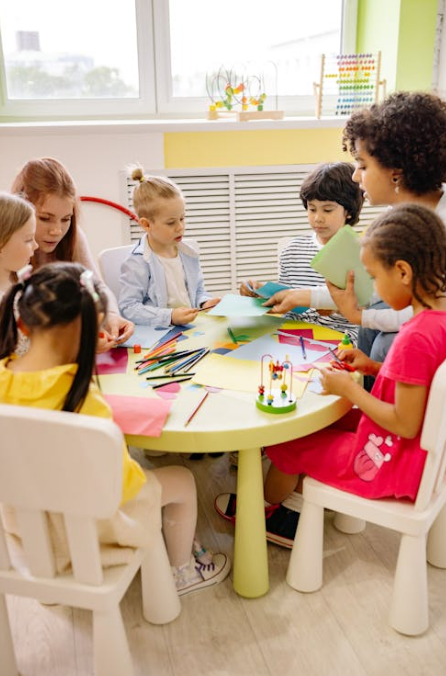
The Role of Arts Education in Fostering Creativity and Critical Thinking Skills
Arts education plays a pivotal role in the holistic development of students, providing them with the tools to express themselves creatively and to think critically. While traditionally, the focus of education has often been on the core subjects of mathematics, science, and language arts, there is a growing recognition of the importance of integrating arts into the curriculum. Arts education encompasses a variety of disciplines, including visual arts, music, theater, and dance, each of which contributes uniquely to the development of essential skills. By engaging in artistic activities, students can enhance their creativity and critical thinking abilities, which are crucial for their success in both academic and real-world settings. Fostering Creativity through Artistic Expression Creativity is the ability to generate new and original ideas, and it is a skill that can be cultivated through arts education. Artistic activities encourage students to think outside the box, experiment with different materials and techniques, and express their individuality. Exploration and Experimentation: In the arts, there is no single correct answer or approach. This open-ended nature encourages students to explore various possibilities and to experiment with different methods of expression. Whether it is mixing colors in a painting, improvising in a music piece, or developing a character in a theater performance, students learn to take risks and to embrace uncertainty. This exploration and experimentation are fundamental to the creative process, helping students to develop a mindset that is open to new ideas and possibilities. Problem-Solving and Innovation: Artistic creation often involves solving problems and overcoming challenges. For example, a student working on a sculpture might need to figure out how to balance the structure or how to achieve the desired texture with available materials. These problem-solving experiences encourage students to think critically and to develop innovative solutions. This ability to navigate and resolve artistic challenges translates into enhanced problem-solving skills in other areas of life. Self-Expression and Emotional Intelligence: Arts education provides a powerful outlet for self-expression, allowing students to convey their thoughts, feelings, and experiences in a non-verbal manner. This form of expression can be particularly beneficial for students who may struggle with traditional modes of communication. Additionally, engaging in artistic activities can enhance emotional intelligence by helping students to understand and manage their emotions and to empathize with others’ perspectives. Enhancing Critical Thinking through Arts Education Critical thinking involves analyzing information, evaluating evidence, and making reasoned judgments. Arts education fosters critical thinking by encouraging students to engage with complex concepts and to develop a deeper understanding of the world around them. Analytical Skills: Engaging with the arts requires students to observe, analyze, and interpret. For instance, in visual arts, students must examine the elements of a painting, such as composition, color, and form, and consider how these elements work together to create meaning. In music, students analyze the structure of a piece, the interplay of melodies and harmonies, and the emotional impact of different dynamics and tempos. These analytical skills are transferable to other subjects, enhancing students’ ability to critically assess information and arguments. Cultural and Historical Understanding: Arts education often involves studying works from different cultures and historical periods. This exposure helps students to develop a broader perspective and to understand the cultural and historical contexts that shape artistic expression. By analyzing and interpreting these works, students learn to appreciate diverse viewpoints and to think critically about the social, political, and economic factors that influence art and society. Collaboration and Communication: Many artistic activities are collaborative in nature, requiring students to work together and to communicate effectively. In theater, for example, students must coordinate their efforts to stage a production, requiring clear communication, cooperation, and collective problem-solving. These collaborative experiences foster critical thinking by encouraging students to consider different perspectives, to negotiate and resolve conflicts, and to develop a shared vision. Reflective Practice: Arts education encourages students to reflect on their creative processes and outcomes. This reflective practice involves self-assessment, feedback from peers and instructors, and continuous improvement. By critically evaluating their own work and the work of others, students develop a deeper understanding of artistic concepts and techniques and enhance their critical thinking skills. Conclusion Arts education is a vital component of a well-rounded education, playing a crucial role in fostering creativity and critical thinking skills. Through artistic expression, students learn to explore, experiment, solve problems, and express themselves, cultivating their creative abilities. At the same time, arts education enhances critical thinking by developing analytical skills, cultural and historical understanding, collaboration, communication, and reflective practice. By integrating arts into the curriculum, educators can provide students with the tools they need to thrive in an increasingly complex and interconnected world. Emphasizing the importance of arts education can lead to more innovative, empathetic, and critical thinkers, ultimately contributing to a more vibrant and inclusive society.

7 Ways to Make Parking at Your Office Easier
Ever feel like finding a parking spot at your office is a never-ending game of hide-and-seek? You’re not alone. But don’t worry, there are ways to make parking less of a headache. Whether you’re tired of circling the lot or fed up with parking wars, these seven tips will help you improve the parking facilities at your office building and make your daily commute a little smoother. To give you an idea, here are some essential tips for upgrading parking lots. Take a Good Look Around Start by taking a good look at your office parking situation. Are there enough spots for everyone, or is it a constant battle for space? Understanding the current parking needs of your office is the first step toward finding a solution that works for everyone. Your employees and clients should have easy access to parking and the facilities that come with it. Get Creative with Layout Once you know what you’re working with, get creative with the layout of your parking lot. Can you squeeze in a few extra spots here and there? Maybe designate specific areas for employees, visitors, and disabled parking. By thinking outside the box, you can maximize space and minimize headaches. Power Up with EV Charging Stations With more people driving electric vehicles, having charging stations at your office is a game-changer. Invest in Turnkey EV Charging Station to attract eco-conscious employees and future-proof parking facilities. Investing in new technology is essential to show your clients and employees that you are interested in upgrading your business. Plus, it’s a win-win for everyone – employees get a charge, and the planet gets a break. Embrace Technology Say goodbye to circling the lot endlessly with the help of parking management solutions. Use sensors or mobile apps to help employees find available spots in real time. Not only does it reduce congestion, but it also saves everyone time and frustration. Make sure that the sensors work by performing routine maintenance monthly. Keep Safety in Mind Make sure your parking facilities are well-lit and equipped with surveillance cameras to deter any unwanted visitors. Consider adding access control systems or gated entry to keep things secure. After all, peace of mind is priceless. It can help avoid any unforeseen events and entry of unauthorized persons. Think Outside the Car Encourage employees to explore alternative transportation options. Whether it’s carpooling, biking, or taking public transit, every little bit helps. Offer incentives like preferred parking spots or transit subsidies to sweeten the deal. Not only does it ease parking pressures, but it also promotes a healthier, more sustainable lifestyle. Communicate with Employees Last but not least, keep the lines of communication open with your employees. Ask for their feedback and suggestions on how to improve parking facilities. Make sure you read their feedback forms and try to implement them if they fall under your budget. After all, they’re the ones using it every day, so their input is invaluable. Together, you can brainstorm creative solutions and make parking at your office a breeze.

The Benefits of Outdoor Education and Experiential Learning for Student Engagement and Achievement
In recent years, the focus on traditional classroom-based education has been increasingly complemented by innovative approaches that emphasize experiential learning and outdoor education. These methods have shown considerable promise in enhancing student engagement and achievement. By taking learning outside the conventional classroom and into natural and real-world settings, educators can provide students with enriching experiences that foster a deeper understanding of the subject matter, promote critical thinking, and improve overall well-being. Enhancing Engagement through Hands-On Learning One of the most significant benefits of outdoor education and experiential learning is the heightened level of student engagement. When students are actively involved in their learning process, they are more likely to be motivated and interested in the material. Real-World Applications: Outdoor education allows students to see the real-world applications of what they learn in the classroom. For example, a biology lesson about ecosystems can be much more impactful when students explore a local park or nature reserve. They can observe plants and animals in their natural habitats, conduct experiments, and collect data. This direct interaction with the subject matter makes learning more relevant and memorable. Multi-Sensory Experiences: Learning outdoors engages multiple senses, which can enhance understanding and retention of information. Students can touch, see, hear, and even smell their surroundings, making abstract concepts more concrete. For instance, studying the water cycle becomes much more tangible when students can feel the moisture in the air, observe clouds forming, and watch rain falling. Active Participation: Outdoor education often involves physical activity, which can be beneficial for students’ physical health and well-being. Activities such as hiking, gardening, or conducting fieldwork require movement, which can help improve concentration and reduce stress. This physical engagement can also foster a sense of adventure and excitement about learning. Promoting Achievement through Experiential Learning Experiential learning, which emphasizes learning through experience and reflection, has been shown to significantly enhance student achievement. By allowing students to learn by doing, this approach helps develop essential skills that are critical for academic success and personal growth. Critical Thinking and Problem-Solving: Experiential learning encourages students to think critically and solve problems in real-world contexts. For example, a project-based learning activity might involve students designing a sustainable garden. They must research plant species, plan the layout, and address challenges such as soil quality and water supply. This process requires them to apply their knowledge, think creatively, and make decisions based on evidence. Collaboration and Communication: Many outdoor and experiential learning activities are inherently collaborative. Group projects, team-building exercises, and cooperative tasks teach students how to work effectively with others, communicate their ideas, and listen to different perspectives. These social skills are crucial for academic success and are highly valued in the workplace. Self-Directed Learning: Outdoor and experiential learning often give students more autonomy and responsibility for their learning. They must set goals, manage their time, and reflect on their progress. This self-directed approach fosters independence, initiative, and a growth mindset, which are essential for lifelong learning and achievement. Connection to Nature: Outdoor education helps students develop a connection to the natural world, which can have numerous cognitive and emotional benefits. Studies have shown that time spent in nature can reduce stress, improve mood, and enhance cognitive function. This connection can also foster a sense of environmental stewardship and responsibility, encouraging students to think about sustainability and conservation. Conclusion Outdoor education and experiential learning offer a multitude of benefits that can significantly enhance student engagement and achievement. By taking learning outside the traditional classroom and immersing students in hands-on, real-world experiences, educators can create a more dynamic and effective learning environment. These approaches not only make learning more enjoyable and meaningful but also help students develop essential skills such as critical thinking, problem-solving, collaboration, and self-directed learning. Moreover, the connection to nature and the physical activity involved in outdoor education can improve students’ overall well-being, further supporting their academic success. As the educational landscape continues to evolve, integrating outdoor and experiential learning into the curriculum can play a crucial role in preparing students for the challenges and opportunities of the future.

The Impact of Early Childhood Education on Long-Term Academic Success and Social Development
Early childhood education (ECE) is a crucial period in a child’s life, setting the foundation for their future academic achievements and social development. The formative years, typically considered from birth to age eight, are characterized by rapid cognitive, emotional, and social growth. Quality early childhood education programs have been shown to have significant long-term benefits, influencing not only academic performance but also social behaviors and life skills. Academic Success The impact of early childhood education on long-term academic success is profound. Research consistently shows that children who attend high-quality early childhood education programs are more likely to perform better in school. This success can be attributed to several factors: Cognitive Development: Early childhood education programs are designed to stimulate cognitive development through activities that promote critical thinking, problem-solving, and creativity. These programs often use play-based learning, which has been shown to be particularly effective in helping young children develop these skills. Children who develop strong cognitive skills early on are better prepared to tackle more complex academic challenges as they progress through school. Early Literacy and Numeracy Skills: Early exposure to literacy and numeracy lays the groundwork for future academic success. Children in high-quality ECE programs are introduced to letters, sounds, numbers, and basic math concepts in a fun and engaging way. This early exposure helps children develop the foundational skills they need for reading, writing, and mathematics. Studies have found that children who enter kindergarten with strong literacy and numeracy skills are more likely to achieve higher academic outcomes throughout their school years. School Readiness: ECE programs prepare children for the structured environment of formal schooling. This includes developing routines, following instructions, and interacting with peers and teachers. Children who attend ECE programs are generally better prepared to transition into kindergarten and are less likely to experience anxiety or difficulty adjusting to the school setting. Social Development In addition to academic benefits, early childhood education plays a vital role in social development. The social skills and behaviors learned during the early years form the basis for future interactions and relationships. High-quality ECE programs support social development in several ways: Social Skills and Peer Relationships: ECE programs provide children with opportunities to interact with their peers, which is essential for developing social skills. Through group activities, children learn to share, take turns, and collaborate. These interactions help children develop empathy, communication skills, and the ability to work as part of a team. These skills are critical for success not only in school but also in later life. Emotional Regulation: Learning to manage emotions is a crucial aspect of social development. ECE programs often include activities and routines that help children understand and express their emotions in a healthy way. Teachers play a key role in modeling positive behaviors and providing support as children navigate their feelings. Children who learn to regulate their emotions early on are better equipped to handle stress and build positive relationships throughout their lives. Positive Attitudes Toward Learning: ECE programs foster a love of learning by creating a positive and engaging environment. When children enjoy learning and feel confident in their abilities, they are more likely to approach new challenges with enthusiasm and resilience. This positive attitude towards learning can lead to greater academic persistence and success in the long run. Conclusion The impact of early childhood education on long-term academic success and social development is undeniable. Quality ECE programs provide children with the cognitive and social foundations they need to succeed in school and beyond. By promoting early literacy and numeracy skills, preparing children for the structured environment of formal schooling, and supporting social and emotional development, ECE programs set children on a path toward lifelong learning and positive social interactions. Investing in early childhood education is not only beneficial for individual children but also for society as a whole, as it leads to a more educated, skilled, and socially cohesive population. As such, ensuring access to high-quality early childhood education should be a priority for policymakers, educators, and communities worldwide.

Sustainable Education: Preparing Students for a Changing World
Sustainable education is an educational paradigm that equips students with the knowledge, skills, and values necessary to navigate and thrive in an ever-changing world. This approach emphasizes the integration of environmental, economic, and social sustainability into the curriculum, fostering a holistic understanding of the interconnectedness of global systems. By preparing students to address complex challenges such as climate change, resource depletion, and social inequality, sustainable education aims to cultivate responsible global citizens who are capable of driving positive change. This article explores the importance of sustainable education and outlines key strategies for effectively implementing it in educational institutions. The Importance of Sustainable Education In an era marked by unprecedented environmental and societal challenges, sustainable education is crucial for fostering a generation of informed, proactive, and resilient individuals. Developing Critical Thinking and Problem-Solving Skills: Sustainable education encourages students to think critically about the world around them and to engage in complex problem-solving. By examining issues such as climate change, biodiversity loss, and social justice, students learn to analyze multifaceted problems, consider various perspectives, and develop innovative solutions. For example, a science class focused on sustainable education might involve students in a project to design a renewable energy solution for their community. This hands-on approach not only deepens their understanding of scientific concepts but also enhances their ability to tackle real-world problems with creativity and resourcefulness. Fostering Environmental Stewardship: One of the primary goals of sustainable education is to instill a sense of environmental stewardship in students. This involves teaching them about the impact of human activities on the planet and empowering them to take action to protect natural resources. Through experiential learning opportunities such as outdoor education programs, conservation projects, and eco-friendly school initiatives, students can develop a deep appreciation for nature and a commitment to sustainability. For instance, a school garden project can teach students about sustainable agriculture, the importance of biodiversity, and the benefits of local food systems, fostering a lifelong connection to the environment and a sense of responsibility for its preservation. Promoting Social and Cultural Awareness: Sustainable education also emphasizes the importance of social and cultural awareness, encouraging students to understand and respect diverse perspectives and to recognize the interconnectedness of global communities. By exploring topics such as social justice, equity, and cultural diversity, students can develop empathy and a sense of global citizenship. For example, a history class might examine the social and economic impacts of colonialism, encouraging students to consider how historical events have shaped contemporary issues of inequality and injustice. This broader understanding helps students become more socially conscious and committed to creating a fairer, more inclusive world. Strategies for Implementing Sustainable Education Effectively integrating sustainable education into the curriculum requires a multifaceted approach that engages students, educators, and the broader community. Integrating Sustainability Across the Curriculum: To ensure that sustainability is a core component of education, it should be woven into various subjects rather than being confined to a single course. This interdisciplinary approach helps students understand the relevance of sustainability in different contexts and fosters a more comprehensive understanding of the issues at hand. For instance, in mathematics, students could analyze data on carbon emissions and calculate the potential impact of different mitigation strategies. In literature, they might read and discuss works that explore themes of environmental ethics and human-nature relationships. By embedding sustainability into diverse areas of study, educators can help students see its significance in all aspects of life. Project-Based Learning and Real-World Applications: Project-based learning (PBL) is a powerful strategy for teaching sustainability, as it allows students to engage in meaningful, hands-on projects that address real-world challenges. PBL encourages collaboration, critical thinking, and problem-solving, all of which are essential skills for sustainable development. For example, a school might partner with local environmental organizations to develop a community-based conservation project. Students could conduct field research, analyze ecological data, and propose solutions to protect local habitats. This type of immersive learning experience not only enhances students’ understanding of environmental issues but also empowers them to take action and make a tangible impact in their communities. Professional Development for Educators: Equipping educators with the knowledge and skills to teach sustainability is crucial for the successful implementation of sustainable education. Professional development programs should provide teachers with training on sustainability concepts, pedagogical strategies, and resources for integrating sustainability into their lessons. For example, workshops and seminars on topics such as climate science, sustainable development goals (SDGs), and green teaching practices can help educators feel more confident and capable in delivering sustainability-focused education. Additionally, creating networks and communities of practice where teachers can share ideas, collaborate on projects, and support one another can further enhance their effectiveness in promoting sustainable education. Engaging the Community and Building Partnerships: Community engagement and partnerships with local organizations, businesses, and governments are vital for fostering a culture of sustainability within schools. By collaborating with external stakeholders, schools can provide students with access to resources, expertise, and real-world learning opportunities. For instance, partnerships with local environmental agencies can facilitate field trips, guest lectures, and internships that enrich students’ understanding of sustainability issues. Community-based projects, such as urban gardening initiatives or renewable energy installations, can also create opportunities for students to apply their knowledge in practical, impactful ways. Engaging families and community members in sustainability efforts can further reinforce the importance of sustainability and create a supportive environment for students’ learning and growth. Creating a Sustainable School Environment: Schools themselves can serve as models of sustainability by adopting eco-friendly practices and policies. This not only reduces the environmental impact of the school but also provides students with daily examples of sustainable living. Measures such as implementing recycling and composting programs, using energy-efficient lighting and heating systems, and promoting sustainable transportation options can all contribute to a greener school environment. Additionally, involving students in the planning and execution of these initiatives can enhance their understanding of sustainability practices and empower them to take ownership of their school community’s environmental impact. In conclusion, sustainable education is essential for preparing students to navigate and address the complex challenges of the

Empowering Teachers Through Professional Development Programs
In the rapidly evolving landscape of education, the role of teachers remains pivotal. However, to keep pace with changing educational paradigms, technological advancements, and diverse student needs, teachers must continually develop their skills and knowledge. Professional development programs are essential in empowering teachers, enhancing their instructional practices, and ultimately improving student outcomes. This article explores the significance of professional development for teachers, emphasizing the benefits of continuous learning and the key components of effective development programs. The Importance of Continuous Professional Development Continuous professional development (CPD) is crucial for teachers to maintain high standards of teaching and to adapt to new challenges in education. It fosters a culture of lifelong learning and encourages educators to be proactive in enhancing their skills. Enhancing Teaching Skills and Knowledge: CPD programs provide teachers with opportunities to expand their subject knowledge and pedagogical skills. These programs can include workshops, seminars, online courses, and collaborative learning sessions that cover a wide range of topics, from the latest educational technologies to innovative teaching strategies. By engaging in these learning experiences, teachers can stay updated on the best practices and emerging trends in education, ensuring they can deliver high-quality instruction. Adapting to Technological Advancements: The integration of technology in education has transformed teaching and learning processes. Professional development programs equip teachers with the skills to effectively use digital tools and platforms in their classrooms. Whether it’s mastering learning management systems, incorporating multimedia resources, or utilizing data analytics to track student progress, CPD helps teachers leverage technology to enhance student engagement and learning outcomes. For instance, a workshop on using interactive whiteboards or educational apps can enable teachers to create more dynamic and interactive lessons. Addressing Diverse Student Needs: Today’s classrooms are increasingly diverse, with students from various cultural, linguistic, and socio-economic backgrounds. Professional development programs help teachers develop cultural competence and inclusive teaching practices. These programs can offer training on differentiated instruction, language support strategies, and social-emotional learning, enabling teachers to create inclusive learning environments that cater to the needs of all students. By understanding and addressing the unique challenges faced by different student groups, teachers can foster a more equitable and supportive classroom atmosphere. Boosting Teacher Confidence and Morale: Continuous professional development boosts teachers’ confidence and morale by providing them with the tools and knowledge to overcome challenges. When teachers feel competent and well-prepared, they are more likely to be motivated and enthusiastic about their work. Professional development also offers a platform for teachers to share experiences and solutions, creating a supportive community that can help alleviate the isolation that teachers sometimes feel. For example, participating in a professional learning community (PLC) can give teachers a sense of camaraderie and mutual support as they collaborate on solving common educational challenges. Key Components of Effective Professional Development Programs To be effective, professional development programs must be well-designed and focused on meeting the specific needs of teachers. The following components are essential for creating impactful CPD programs. Relevance and Practicality: Effective professional development programs are relevant to the teachers’ current instructional contexts and provide practical strategies that can be immediately implemented in the classroom. Programs should be tailored to address the specific challenges and goals of the educators participating in them. For example, a professional development session for elementary school teachers might focus on strategies for teaching early literacy, while a program for high school teachers might concentrate on integrating project-based learning into science curricula. Active Learning and Engagement: Professional development should involve active learning experiences that engage teachers in meaningful ways. This can include hands-on workshops, collaborative projects, peer observations, and reflective practices. Active learning allows teachers to practice new skills, receive feedback, and refine their techniques. For instance, a workshop on formative assessment might include role-playing activities where teachers practice giving feedback to students and then discuss their experiences with colleagues. Sustained and Ongoing Support: One-off workshops or seminars are less effective than sustained, ongoing professional development. Continuous support helps teachers integrate new skills and knowledge into their practice over time. This can be achieved through follow-up sessions, coaching, mentoring, and access to online resources and communities. Long-term professional development initiatives, such as year-long courses or multi-session workshops, provide teachers with the time and support needed to make lasting changes in their instructional practices. Collaboration and Peer Learning: Professional development is most effective when it includes opportunities for collaboration and peer learning. Teachers benefit from sharing their experiences, discussing challenges, and brainstorming solutions with their colleagues. Collaborative professional development fosters a sense of community and collective responsibility for improving student outcomes. For example, teachers can participate in lesson study groups, where they collaboratively plan, observe, and analyze lessons to improve their instructional techniques. Reflection and Feedback: Reflection and feedback are critical components of effective professional development. Teachers should be encouraged to reflect on their practices, set personal goals, and assess their progress. Constructive feedback from peers, mentors, and facilitators helps teachers identify areas for improvement and celebrate their successes. Reflective practices, such as maintaining a teaching journal or participating in reflective discussions, enable teachers to continuously evaluate and enhance their instructional strategies. Integration of Theory and Practice: Effective professional development programs bridge the gap between theory and practice. They provide teachers with a solid understanding of educational theories and research, while also demonstrating how these concepts can be applied in real classroom settings. For example, a professional development session on cognitive learning theories might include practical examples of how to design lessons that align with these theories, allowing teachers to see the direct impact on student learning. In conclusion, empowering teachers through professional development programs is essential for fostering a dynamic and effective educational environment. Continuous professional development enhances teaching skills, adapts to technological advancements, addresses diverse student needs, and boosts teacher confidence. Effective CPD programs are relevant, practical, and sustained, promoting active learning, collaboration, reflection, and the integration of theory and practice. By investing in professional development, educational institutions can ensure that teachers are well-equipped to meet the challenges of modern education and to inspire their students to achieve their full potential.

The Role of Parents and Community in Student Achievement
Student achievement is influenced by a multitude of factors, extending far beyond the confines of the classroom. Among these, the roles played by parents and the broader community are pivotal. Both serve as foundational support systems that can significantly enhance a student’s academic and personal development. This article delves into the ways in which parents and community members contribute to student success, emphasizing the importance of collaborative efforts and the creation of a supportive learning environment. Parental Involvement in Student Achievement Parental involvement is a cornerstone of student success. When parents actively engage in their children’s education, it fosters a supportive environment that encourages learning and development. Emotional and Academic Support: Parents who provide consistent emotional support and encouragement create a stable and nurturing environment for their children. This emotional backing is crucial, as it helps students build confidence and resilience, both of which are essential for academic success. For instance, parents who regularly communicate with their children about their school day, listen to their challenges, and celebrate their achievements help to reinforce the importance of education and perseverance. This positive reinforcement motivates students to strive for excellence and persist through difficulties. Home Learning Environment: The home environment plays a significant role in shaping a child’s attitudes toward learning. Parents can create a conducive learning atmosphere by setting aside a quiet and organized space for homework and study, establishing regular study routines, and providing access to educational resources such as books, computers, and internet access. For example, a designated study area free from distractions can help students focus better on their schoolwork. Additionally, parents who model good reading habits and engage in educational activities with their children, such as visiting museums or discussing current events, help to instill a love of learning and intellectual curiosity. Communication with Teachers and Schools: Effective communication between parents and teachers is vital for monitoring and supporting a student’s academic progress. Parents who attend parent-teacher conferences, respond to school communications, and stay informed about their child’s curriculum and school activities can work collaboratively with teachers to address any academic or behavioral issues. For instance, if a student is struggling in a particular subject, regular communication with the teacher can help parents understand the challenges and implement strategies to support their child at home. This partnership ensures that students receive consistent support and guidance both at school and at home. Parental Advocacy and Involvement in School Activities: Parents who actively participate in school activities and advocate for their children’s needs contribute to a positive school culture and environment. Joining parent-teacher associations (PTAs), volunteering for school events, and participating in decision-making processes related to school policies and programs demonstrate a commitment to the school community. For example, parents who volunteer in the classroom or at school events provide additional support to teachers and create a sense of community and shared responsibility. This active involvement also allows parents to be more aware of the school’s goals and challenges, enabling them to advocate effectively for resources and programs that benefit all students. Community Engagement and Its Impact on Student Achievement The broader community also plays a crucial role in supporting student achievement. When community members and organizations engage with schools, they contribute to a holistic educational experience that extends beyond academic learning. Community Partnerships and Resources: Schools that form partnerships with local businesses, non-profits, and cultural organizations can provide students with access to a wealth of resources and opportunities. These partnerships can enhance the curriculum and offer practical, real-world experiences that enrich students’ learning. For example, local businesses might offer internships or job-shadowing opportunities, giving students a chance to apply their skills in a professional setting. Non-profit organizations might provide after-school programs, tutoring services, or enrichment activities such as arts and sports, which support students’ overall development and well-being. Mentorship and Role Models: Community members can serve as mentors and role models, offering guidance, support, and inspiration to students. Mentorship programs, where professionals from various fields volunteer their time to mentor students, can have a profound impact on student achievement. For instance, a mentor can provide insights into career paths, help students set academic and career goals, and offer advice on overcoming obstacles. Having positive role models from the community can also help students see the possibilities for their future and motivate them to pursue their aspirations. Community Support for Schools: A strong community support system for schools fosters a positive environment that values education and student success. Community members who attend school events, advocate for educational funding, and participate in school improvement initiatives contribute to a culture that prioritizes education. For example, community involvement in school board meetings and local government can influence policies and funding decisions that directly impact the quality of education. This collective support helps to create a sense of shared responsibility and investment in the success of all students. Cultural and Social Capital: The cultural and social capital provided by the community enriches students’ educational experiences and broadens their perspectives. Community events, cultural festivals, and public lectures expose students to diverse cultures, ideas, and viewpoints, promoting inclusivity and global awareness. For instance, a community center that hosts cultural events and educational workshops can provide students with opportunities to learn about different cultures and traditions, fostering a sense of respect and appreciation for diversity. This exposure helps students develop critical thinking skills and a broader understanding of the world around them. Safety and Stability: A supportive community ensures that students have a safe and stable environment to grow and learn. Community programs that focus on reducing crime, providing health services, and supporting families in need contribute to the overall well-being of students. For example, community policing initiatives that promote safety in neighborhoods can create a secure environment where students feel safe walking to and from school. Health services that offer medical and psychological support can address students’ physical and mental health needs, enabling them to focus on their studies and achieve their full potential. In conclusion, the roles of parents and the community in student achievement are multifaceted and deeply interconnected. Parents who