
As homeowners increasingly seek to maximize their outdoor living spaces, the trend of incorporating screen enclosures is gaining popularity. A screen enclosure offers a perfect blend of comfort, style, and functionality, transforming your patio, pool area, or porch into an inviting oasis. Here, we explore the myriad benefits of installing a screen enclosure and how it can enhance your outdoor experience. Protection from the Elements One of the primary advantages of a screen enclosure is the protection it provides from the elements. Whether it’s scorching sun, sudden rain, or even snow, a screen enclosure allows you to enjoy your outdoor space regardless of the weather. You can host gatherings, relax with a book, or enjoy a meal outdoors without worrying about the unpredictability of nature. This protection extends the usability of your space throughout the year, making it a worthy investment. Insect Control Insects can be a significant deterrent to enjoying your outdoor space. Mosquitoes, flies, and other pests can ruin a perfectly pleasant evening. A screen enclosure acts as a barrier, allowing you to relish the fresh air without the annoyance of insects. With this added layer of protection, you can comfortably entertain guests or spend quality time with family without the constant swatting and itching that often accompanies outdoor living. Enhanced Privacy Another compelling reason to consider a screen enclosure is the increased privacy it offers. Whether your home is situated close to neighbors or you have a busy street nearby, a screen enclosure can create a more secluded environment. This added privacy allows you to enjoy your outdoor space without feeling exposed, making it ideal for relaxation or intimate gatherings. You can set up your outdoor furniture and decorations without the concern of prying eyes. Improved Aesthetics Screen enclosures come in various designs and styles, allowing homeowners to choose an option that complements their existing architecture and landscaping. Whether you prefer a modern look or something more traditional, there’s a screen enclosure that will enhance the aesthetic appeal of your outdoor living area. The visual charm of a well-designed enclosure can turn an ordinary patio into a stylish retreat, adding value to your property. Increased Property Value Investing in a screen enclosure can significantly increase your property value. Homebuyers often look for features that enhance outdoor living, and a well-built enclosure is a desirable addition. By creating an attractive and functional outdoor space, you can make your home more appealing in the competitive real estate market. This investment not only enhances your lifestyle but also pays off when it’s time to sell. Versatility of Use A screen enclosure provides unparalleled versatility. Whether you want a peaceful sanctuary for morning coffee, a vibrant area for family gatherings, or a safe space for children and pets to play, a screen enclosure can serve multiple purposes. You can customize the interior with furniture, plants, and decor that fit your style and needs. This flexibility makes a screen enclosure an excellent addition for families of all sizes. Enhanced Outdoor Living Experience Ultimately, a screen enclosure enhances your outdoor living experience by allowing you to enjoy the beauty of nature without its downsides. You can bask in the sunshine, listen to the sounds of birds, and feel the gentle breeze, all while being shielded from the harshness of the environment. It creates an inviting atmosphere for relaxation and entertainment, fostering a deeper connection with your outdoor surroundings. Conclusion In summary, screen enclosures offer a multitude of benefits that significantly enhance your outdoor living space. From protection against the elements and insects to increased privacy and property value, these structures provide a comfortable and stylish way to enjoy your yard. If you’re looking to transform your outdoor area into a year-round haven, consider investing in a screen enclosure. It’s a decision that can elevate your lifestyle and turn your home into the ultimate retreat.

Why Should You Hire A Private Limousine For Your Corporate Meetings?
Private limousines are a great way to add luxury to your routine. If you are a businessman and love to travel in style, hiring a corporate limousine for your business events can be a great choice. A private ride for transportation can add a touch of luxury and style to your personality. If you have an upcoming corporate event or you have an important business meeting where you want to impress the other parties involved, renting out a limousine for the day can bring a lot of value. Here are the top benefits of using a private limousine for your corporate needs. 1. Enhanced Comfort A private ride is far more comfortable than opting for a Taxi or a public ride. When you are going to an important business meeting, you want your commute to be as relaxing and comfortable as it can be so that you can present your best self at the event. A limo ride is almost always comfortable. You get the luxury of soft and comfortable seats and a personal chauffeur. This kind of comfort is usually unavailable with private cabs. 2. Timely Arrivals Calling a cab from a cab company might take some time. This might cause delayed arrivals at the venue. When you are going to an important business meeting, you can not risk getting late. Hiring or renting out a private limo will ensure that you arrive on time. Moreover, when you have a chauffeur, you will not have to worry about navigating through the location of the venue or finding a parking spot, especially if you are not familiar with the city. 3. Positive First Impression Arriving in a luxury car at an important corporate event can radiate a positive first impression about your business and your personality. When you are representing your brand or you want someone to take an interest in your business, you will need this kind of positive image for yourself. Your dressing sense and your choice of vehicle have a crucial role to play in creating your personality. When you present yourself with style, you will grasp everyone’s attention. 4. Work On The Go A limousine provides a perfect opportunity to work on the go. If you have to prepare your proposal or you need last-minute touch-ups in your presentation, working on your laptop will be a lot easier in a limousine. You will get the steadiness required to work on the laptop. You can attend video calls or important phone calls without fearing the traffic noise as most limousines have soundproofing facilities. 5. Best-In-Class Amenities Lastly, a limousine is not just a car. It can offer you the perfect on-the-move luxury experience. With a wine tour limousine, you can celebrate your business achievements after the meeting. For instance, if you have entered into new partnerships, acquired more business, or achieved a major goal, you can celebrate with your team in the limo ride with a bottle of wine or champagne.
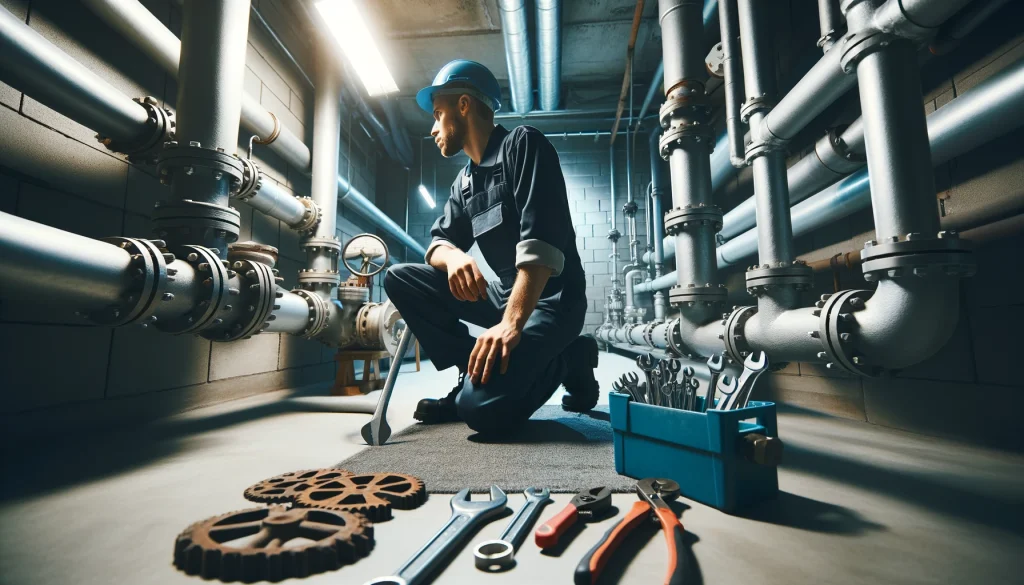
The Importance of Regular Plumbing Inspections for Commercial Businesses
Maintaining the operational efficiency and safety of commercial establishments requires a comprehensive approach to facility management. Among the critical aspects often overlooked is the plumbing system. Regular plumbing inspections are not just a preventative measure but a strategic necessity for commercial businesses. This article delves into the importance of these inspections, focusing on how they safeguard your business and the role of emergency plumbing services in addressing urgent issues. The Role of Commercial Businesses Plumbing In commercial settings, plumbing systems are more complex and critical than those in residential properties. They support a high volume of use and are integral to the daily operations of businesses, from restaurants and hotels to offices and retail spaces. The scope of commercial businesses Plumbing includes various components such as pipes, fixtures, drainage systems, and water heaters, each playing a vital role in maintaining a functional and safe environment. 1.Ensuring Operational Continuity For commercial businesses, any plumbing issue can lead to significant disruptions. Regular inspections help identify potential problems before they escalate into major issues. For instance, routine checks can detect early signs of pipe corrosion, blockages, or leaks that could otherwise result in water damage, reduced water pressure, or even system failures. By addressing these issues proactively, businesses can avoid costly downtime and ensure that their operations remain uninterrupted. 2.Complying with Regulations Commercial plumbing systems must adhere to strict regulations and codes designed to ensure safety and environmental protection. Regular inspections help ensure compliance with these standards, reducing the risk of violations that could result in fines or legal issues. Additionally, keeping up with maintenance helps ensure that the plumbing system meets current building codes and safety standards, thereby protecting both employees and customers. 3.Enhancing System Longevity Routine inspections contribute to the longevity of plumbing systems by identifying and addressing wear and tear early. This proactive approach helps prevent the premature failure of plumbing components and reduces the need for expensive replacements. Regular maintenance can extend the lifespan of crucial system elements such as pipes, fixtures, and water heaters, ensuring they operate efficiently for years to come. The Crucial Role of Emergency Plumbing Services Despite the best efforts at regular maintenance, emergencies can and do occur. Having a reliable emergency plumbing service is essential for managing unforeseen issues effectively and minimizing their impact on business operations. 1.Immediate Response When plumbing emergencies arise, such as severe leaks, burst pipes, or major clogs, swift action is crucial. Emergency plumbing services provide immediate response to mitigate damage and restore functionality. Their availability around the clock ensures that businesses are not left vulnerable during off-hours or weekends, which is especially important for establishments operating 24/7. 2.Expertise and Equipment Professional emergency plumbers are equipped with specialized tools and expertise to handle complex and urgent situations. Their advanced equipment allows for quick diagnosis and efficient repairs, minimizing disruption and damage. Whether it’s a major pipe burst or a critical fixture failure, emergency plumbing services have the skills and resources necessary to address the issue effectively. 3.Preventative Measures In addition to addressing immediate concerns, emergency plumbers can offer valuable advice on preventing future incidents. They may provide recommendations for system upgrades, preventive maintenance, or modifications to reduce the risk of recurring problems. This guidance helps businesses improve their plumbing systems’ resilience and avoid future emergencies. Conclusion Regular plumbing inspections are a fundamental component of effective facility management for commercial businesses. They play a crucial role in ensuring operational continuity, regulatory compliance, and system longevity. Coupled with reliable emergency plumbing services, these inspections provide a comprehensive strategy for maintaining a functional and safe plumbing system. By prioritizing both routine maintenance and having access to expert emergency services, businesses can protect their operations, reduce costs, and ensure a smooth and uninterrupted workflow.

6 Key Benefits of Storage Units For Personal or Business Use
Storage units can be incredibly useful for both personal and business needs. Whether you’re moving to a new home, running out of space in your garage, or managing business inventory, self storage units can offer practical solutions. They help organize your space and keep your belongings safe. Let’s look at six key benefits of using storage units. 1. Extra Space for Personal Belongings One of the biggest advantages of self storage units is the extra space they provide. If your home is getting cluttered, renting a storage unit can help. You can keep seasonal items, old furniture, or items you don’t use every day in a storage unit. This helps keep your living space neat and tidy. It also allows you to find things more easily when you need them. 2. Safe and Secure Storage Self storage units offer a secure place to keep your items. Most storage facilities have strong security measures, including surveillance cameras, gated access, and alarm systems. This means your belongings are less likely to be stolen or damaged. If you have valuable items or important documents, a storage unit is a safe place to keep them. 3. Convenient Access Many storage units are available 24/7, which means you can access your items whenever you need them. This is especially useful for businesses that might need to get inventory at odd hours or for personal use when you need to retrieve or store items quickly. Convenient access helps you avoid delays and manage your belongings more effectively. 4. Cost-Effective Solution Renting a self storage unit is often more affordable than renting a larger home or office space. If you need extra space but don’t want to pay for a bigger place, a storage unit can be a cost-effective alternative. It allows you to save money while still keeping your space organized and functional. 5. Helpful During Transitions If you’re moving, renovating, or going through any major life changes, storage units can be a big help. They provide a temporary place to store your belongings while you sort out your new living situation. This can make transitions smoother and less stressful. You won’t have to rush to unpack everything at once or worry about where to put things. 6. Business Inventory Management For businesses, self storage units can be invaluable. They offer a way to manage inventory, store supplies, and keep business materials organized. This is especially useful for small businesses or startups that may not have enough space in their office. A storage unit can help you keep your business running smoothly by providing extra space for essential items. Conclusion Self storage units provide many benefits for both personal and business use. They offer extra space, security, convenience, affordability, and help during transitions. For businesses, they are particularly useful for managing inventory and supplies. Whether you’re dealing with a cluttered home or need extra space for your business, storage units can be a practical and valuable solution. By choosing the right storage unit, you can keep your belongings safe and organized, making your life a little easier.

Overcoming Anxiety: Transformational Coaching Strategies for a Brighter Future
Anxiety is a common emotional response that many individuals experience at various points in their lives. From everyday stressors to significant life changes, anxiety can feel overwhelming and debilitating. However, through the innovative approach of transformational coaching, individuals can learn to manage and overcome anxiety, paving the way for a brighter, more fulfilling future. This article explores effective strategies that transformational coaching offers to help individuals navigate their anxiety and thrive. Understanding Anxiety Anxiety manifests in various forms, including generalized anxiety disorder, social anxiety, and panic attacks. While it can serve as a natural response to stress, excessive anxiety can hinder daily functioning and overall well-being. Transformational coaching aims to address the root causes of anxiety, empowering individuals to reclaim control over their lives and emotions. The Role of Transformational Coaching Transformational coaching is a holistic approach focused on personal growth, self-awareness, and actionable change. Unlike traditional therapy, which often delves into the past, transformational coaching emphasizes present and future goals, encouraging individuals to envision a life free from anxiety. Coaches utilize various techniques and tools to support clients in their journey toward self-discovery and resilience. 1. Cultivating Self-Awareness The first step in overcoming anxiety through transformational coaching is cultivating self-awareness. Clients are encouraged to explore their thoughts, feelings, and behaviors. This process involves identifying triggers that contribute to anxiety, such as specific situations or negative thought patterns. By becoming aware of these triggers, individuals can develop strategies to manage their responses more effectively. Techniques for Self-Awareness Journaling:Writing down thoughts and feelings can provide insights into anxiety triggers and patterns. Mindfulness Practices:Techniques such as meditation and deep breathing help clients stay present, reducing the grip of anxious thoughts. 2. Setting Clear Goals Transformational coaching emphasizes the importance of setting clear, achievable goals. Clients are encouraged to define what overcoming anxiety looks like for them. By establishing specific, measurable objectives, individuals can create a roadmap toward a more confident and anxiety-free life. Goal-Setting Strategies SMART Goals:Clients learn to set Specific, Measurable, Achievable, Relevant, and Time-bound goals, ensuring a structured approach to overcoming anxiety. Visualization:Coaches guide clients in visualizing their goals, creating a mental image of success that motivates and inspires. 3. Developing Positive Mindsets Transformational coaching helps clients shift their mindsets from fear and doubt to positivity and resilience. By reframing negative thoughts, individuals can change their relationship with anxiety and cultivate a more empowering outlook. Mindset-Shifting Techniques Affirmations:Clients are encouraged to use positive affirmations that challenge negative self-talk and reinforce their strengths. Gratitude Practices:Focusing on gratitude helps individuals shift their perspective, fostering a sense of abundance rather than scarcity. 4. Building Resilience Resilience is a crucial component in overcoming anxiety. Transformational coaching equips clients with tools and strategies to bounce back from setbacks and challenges. By building resilience, individuals can navigate anxiety-provoking situations with greater confidence. Resilience-Building Strategies Coping Skills Training:Coaches help clients develop coping strategies for managing anxiety in real-time, such as grounding techniques or reframing thoughts. Role-Playing:Engaging in role-playing scenarios can prepare clients for anxiety-inducing situations, reducing fear of the unknown. 5. Fostering Supportive Relationships Transformational coaching emphasizes the significance of building a supportive network. Healthy relationships can provide comfort and encouragement, making it easier to manage anxiety. Coaches often encourage clients to seek out connections that promote growth and understanding. Building Supportive Networks Accountability Partners:Clients can benefit from having accountability partners who provide support and motivation throughout their journey. Group Coaching:Participating in group coaching sessions fosters a sense of community and shared experiences, helping clients feel less isolated in their struggles. 6. Taking Action Ultimately, transformational coaching is about taking action. Coaches motivate clients to implement the strategies they’ve learned, encouraging them to step out of their comfort zones and confront anxiety head-on. This proactive approach fosters growth and empowers individuals to embrace change. Action-Taking Strategies Small Steps:Coaches encourage clients to take small, manageable steps toward their goals, reducing overwhelm and promoting gradual progress. Celebrating Wins:Recognizing and celebrating achievements, no matter how small, reinforces positive behaviors and builds momentum. Conclusion Overcoming anxiety is a journey that requires commitment, self-reflection, and actionable strategies. Transformational coaching provides individuals with the tools necessary to confront their anxiety and create a brighter future. By cultivating self-awareness, setting clear goals, developing positive mindsets, building resilience, fostering supportive relationships, and taking action, clients can transform their lives and reduce the impact of anxiety. With the right support and guidance, anyone can embark on a path toward a more empowered, anxiety-free existence.

Innovative Approaches to Transforming Traditional Classrooms into Dynamic Learning Environments
In recent years, the educational landscape has been undergoing a significant transformation, driven by the need to prepare students for a rapidly changing world. Traditional classrooms, characterized by passive learning and rote memorization, are increasingly being replaced by dynamic learning environments that emphasize active engagement, collaboration, and critical thinking. These innovative approaches are not only making learning more enjoyable for students but also more effective in equipping them with the skills needed for the future. Here, we explore some of the most promising strategies for transforming traditional classrooms into vibrant hubs of learning. Embracing Technology Integration One of the most impactful ways to revolutionize the classroom is through the integration of technology. Digital tools and resources can enhance the learning experience, making it more interactive and personalized. Interactive Whiteboards and Smartboards: Replacing traditional chalkboards with interactive whiteboards or smartboards allows for dynamic lessons. Teachers can incorporate multimedia elements such as videos, animations, and interactive simulations, which can make complex concepts easier to understand and more engaging. 1:1 Device Programs: Providing each student with a device, such as a tablet or laptop, ensures that all students have access to digital resources. This can facilitate personalized learning, where students can work at their own pace and access a wealth of online materials tailored to their individual needs. Educational Apps and Software: There is a vast array of educational apps and software available that cater to different subjects and skill levels. These tools can provide interactive exercises, instant feedback, and gamified learning experiences that motivate students to engage more deeply with the content. Virtual Reality (VR) and Augmented Reality (AR): VR and AR technologies can bring lessons to life in ways that were previously unimaginable. For example, students can take virtual field trips to historical sites, explore the human body in 3D, or conduct virtual science experiments. These immersive experiences can deepen understanding and retention of information. Redesigning Physical Spaces The physical layout of a classroom can significantly impact the way students learn and interact. By rethinking the traditional rows of desks and creating more flexible, collaborative spaces, educators can foster a more dynamic learning environment. Flexible Seating Arrangements: Allowing students to choose their seating arrangements can create a more comfortable and collaborative atmosphere. Options might include standing desks, bean bags, modular furniture, or traditional desks that can be easily rearranged. This flexibility can help students feel more at ease and encourage movement and interaction. Learning Zones: Dividing the classroom into different zones dedicated to various types of activities can cater to different learning styles and needs. For example, there could be a quiet reading corner, a collaborative group work area, a hands-on activity station, and a tech hub for digital learning. This zoned approach allows students to move around and engage in the type of learning that suits them best at any given time. Incorporating Nature and Sensory Elements: Bringing elements of nature into the classroom, such as plants, natural light, and outdoor learning spaces, can have a calming effect and improve student well-being. Sensory elements like textures, colors, and varying light levels can also stimulate students’ senses and create a more engaging learning environment. Project-Based Learning Spaces: Designing spaces that support project-based learning (PBL) can encourage students to engage in hands-on, collaborative projects. These spaces might include maker labs equipped with tools and materials for building and creating, or areas where students can display and present their work. PBL encourages critical thinking, problem-solving, and creativity, making learning more relevant and meaningful. Conclusion Transforming traditional classrooms into dynamic learning environments is essential for preparing students to thrive in the 21st century. By embracing technology and redesigning physical spaces, educators can create more engaging, collaborative, and personalized learning experiences. These innovative approaches not only make learning more enjoyable but also more effective, helping students develop the skills they need for the future. As education continues to evolve, it is crucial to remain open to new ideas and practices that can enhance the learning experience and better meet the needs of all students.

Future of Education: Trends and Innovations Shaping the Next Generation of Learning
The future of education is rapidly evolving, driven by technological advancements and societal changes that are reshaping how we learn and teach. As we look ahead, several key trends and innovations are poised to define the next generation of learning, promising to make education more accessible, personalized, and effective than ever before. One of the most transformative trends in education is the integration of artificial intelligence (AI) and machine learning. These technologies are revolutionizing the way students learn by providing personalized learning experiences tailored to individual strengths and weaknesses. AI-powered algorithms analyze vast amounts of data to create customized learning paths, adapting content and pacing to meet the needs of each student. This approach not only enhances comprehension but also fosters greater engagement and motivation, as learners receive immediate feedback and support. Another pivotal innovation is virtual and augmented reality (VR/AR), which are poised to create immersive educational experiences. VR allows students to explore historical sites, conduct virtual experiments, or engage in interactive simulations that bring abstract concepts to life. AR, on the other hand, overlays digital information onto the real world, enhancing hands-on learning experiences. These technologies have the potential to democratize access to education by transporting students to places and scenarios that would otherwise be inaccessible, thereby leveling the playing field and promoting inclusivity. Furthermore, the rise of online and hybrid learning models has fundamentally changed the educational landscape. The COVID-19 pandemic accelerated this shift, forcing educators and institutions to embrace digital platforms and tools. Moving forward, these flexible learning modalities will continue to play a crucial role in accommodating diverse learning styles and preferences. They offer students the flexibility to learn at their own pace, access a broader range of courses and resources, and collaborate with peers and experts globally, transcending geographical boundaries. Additionally, competency-based education (CBE) is gaining traction as a more flexible and efficient alternative to traditional educational models. CBE focuses on mastering specific skills and competencies rather than completing a set number of credit hours. This approach allows students to progress as they demonstrate mastery of concepts, empowering them to customize their learning journey and potentially accelerate their education. By aligning learning outcomes with workforce demands, CBE ensures that graduates are well-prepared for the demands of the 21st-century job market. Moreover, the role of educators is evolving from imparting knowledge to facilitating critical thinking, creativity, and problem-solving skills. This shift reflects a broader recognition of the importance of nurturing skills that are essential for success in an increasingly complex and interconnected world. Educators are encouraged to adopt innovative teaching strategies, such as project-based learning, collaborative problem-solving, and interdisciplinary approaches, to cultivate these competencies among students. Equally important is the emphasis on lifelong learning and continuous skill development. As technology continues to reshape industries and job roles, the need for individuals to adapt and upskill throughout their careers becomes imperative. Educational institutions and employers are increasingly partnering to offer lifelong learning opportunities, such as micro-credentials, online courses, and professional development programs. These initiatives empower individuals to stay competitive in the evolving job market and pursue meaningful career advancements. Furthermore, the concept of inclusive education is gaining momentum, advocating for equitable access to quality education for all learners, regardless of background or ability. Inclusive practices promote diversity, equity, and belonging within educational settings, fostering environments where every student feels valued and supported. This involves recognizing and accommodating diverse learning needs, providing accessible learning materials and technologies, and promoting culturally responsive teaching practices. In conclusion, the future of education is characterized by innovation, inclusivity, and adaptability. Technological advancements such as AI, VR/AR, and online learning platforms are revolutionizing how we teach and learn, making education more personalized, accessible, and effective. These innovations are complemented by evolving pedagogical approaches that prioritize critical thinking, creativity, and lifelong learning skills. By embracing these trends and innovations, educators and institutions can prepare the next generation of learners to thrive in a rapidly changing world, equipping them with the knowledge, skills, and competencies needed to succeed and make meaningful contributions to society

Strategies for Teaching Critical Thinking and Problem-Solving Skills
In today’s rapidly changing world, critical thinking and problem-solving skills are essential for students to navigate complex challenges and make informed decisions. Teaching these skills effectively requires deliberate strategies that encourage students to analyze information, think creatively, and apply their knowledge in practical ways. This article explores key strategies for fostering critical thinking and problem-solving skills in the classroom, emphasizing the importance of active learning and reflective practices. Encouraging Active Learning Active learning involves engaging students in activities that promote analysis, synthesis, and evaluation of information, rather than passively receiving it. This approach is fundamental to developing critical thinking and problem-solving skills. Collaborative Learning Activities: Group work and collaborative projects are excellent ways to encourage active learning. When students work together, they are exposed to diverse perspectives and must communicate effectively to achieve common goals. For example, assigning a group project where students must research a real-world issue, develop a solution, and present their findings encourages them to think critically about the problem and consider multiple viewpoints. Collaborative activities also help students develop interpersonal skills, such as negotiation and conflict resolution, which are crucial for problem-solving. Case Studies and Real-World Problems: Using case studies and real-world problems in the classroom helps students apply theoretical knowledge to practical situations. This approach requires them to analyze data, identify key issues, and develop evidence-based solutions. For instance, in a science class, students could examine a case study on environmental pollution and propose strategies to mitigate its impact. This not only enhances their critical thinking skills but also makes learning more relevant and engaging. Socratic Questioning: The Socratic method involves asking a series of thought-provoking questions that challenge students to think deeply and justify their answers. This technique encourages students to explore underlying assumptions, evaluate evidence, and consider alternative perspectives. For example, in a history class discussing the causes of a historical event, a teacher might ask, “What were the underlying economic factors that contributed to this event?” followed by, “How might the outcome have been different if these factors were not present?” This method helps students develop a habit of questioning and critically examining information. Problem-Based Learning (PBL): Problem-based learning is an instructional strategy where students learn by solving complex, real-world problems. In PBL, students are presented with a problem and must work collaboratively to research, propose, and test solutions. This approach promotes active learning and critical thinking, as students must evaluate information, draw connections, and apply their knowledge. For example, in a medical education setting, students might be given a patient case and must diagnose the condition and recommend treatment based on their research and clinical knowledge. Promoting Reflective Practices Reflective practices involve encouraging students to think about their own thinking process, assess their understanding, and make adjustments as needed. Reflection is a key component of critical thinking and problem-solving. Journals and Reflective Writing: Asking students to maintain journals or engage in reflective writing activities helps them articulate their thought processes, identify learning gaps, and set goals for improvement. For instance, after completing a complex project, students could be asked to write a reflection on what strategies worked well, what challenges they encountered, and how they would approach similar problems in the future. This practice fosters self-awareness and helps students develop metacognitive skills. Self and Peer Assessments: Incorporating self and peer assessments into the learning process encourages students to evaluate their own work and that of their peers critically. This practice promotes reflection and helps students develop the ability to provide and receive constructive feedback. For example, after completing a group project, students could be asked to assess their contributions and those of their teammates, discussing strengths and areas for improvement. This collaborative reflection helps students understand different perspectives and refine their problem-solving skills. Think-Aloud Strategies: Think-aloud strategies involve students verbalizing their thought processes while working through a problem. This technique allows teachers to understand how students approach problems and provides insights into their critical thinking skills. For example, during a math lesson, a student could be asked to explain their reasoning while solving a complex equation. The teacher can then provide targeted feedback and guide the student in developing more effective problem-solving strategies. Mind Mapping and Concept Mapping: Mind mapping and concept mapping are visual tools that help students organize information, identify relationships, and develop a deeper understanding of complex topics. These tools encourage students to think critically about how concepts are connected and to see the bigger picture. For example, in a literature class, students could create a mind map to explore the themes, characters, and plot developments of a novel. This visual representation helps them analyze the text more deeply and develop their critical thinking skills. Debates and Discussions: Engaging students in debates and discussions on controversial topics encourages them to think critically, develop arguments, and consider opposing viewpoints. This practice promotes active engagement and helps students refine their reasoning and communication skills. For instance, in a social studies class, students could debate the pros and cons of a particular policy, using evidence to support their positions. This activity helps them develop critical thinking skills and learn to articulate their ideas persuasively. Integrating Technology to Enhance Critical Thinking Incorporating technology into the classroom can significantly enhance the development of critical thinking and problem-solving skills. Digital tools and resources offer diverse opportunities for students to engage in interactive and immersive learning experiences. Educational Software and Apps: There are numerous educational software programs and apps designed to promote critical thinking and problem-solving. These tools often include interactive simulations, games, and puzzles that challenge students to apply their knowledge in new and creative ways. For example, apps like Khan Academy or BrainPOP provide interactive exercises and quizzes that require students to think critically and solve problems. Online Research and Information Literacy: Teaching students how to conduct effective online research and evaluate the credibility of sources is essential for developing critical thinking skills. Students must learn to discern reliable information from misinformation, a crucial skill in the digital age. Assigning research projects that require students to gather and analyze information from various online

The Role of Assessment in Education: Balancing Standardized Testing with Formative Assessment
Assessment in education serves as a cornerstone for measuring student progress, informing instructional decisions, and evaluating the effectiveness of educational programs. However, the role of assessment extends beyond mere evaluation; it plays a critical role in shaping teaching practices, curriculum development, and educational policy. At the heart of the assessment debate lies the balance between standardized testing and formative assessment, each serving distinct but complementary purposes in the educational landscape. Standardized testing, often mandated at the state or national level, is designed to provide a uniform measure of student achievement across a large population. These assessments typically include standardized formats, such as multiple-choice questions or essays, administered under controlled conditions. Proponents argue that standardized tests offer valuable insights into students’ academic proficiency, facilitate comparisons across schools and districts, and hold educational institutions accountable for student outcomes. Critics, however, raise concerns about the limitations of standardized testing. They argue that such assessments may not accurately capture the full range of students’ knowledge, skills, and abilities. Factors such as test anxiety, cultural biases, and language barriers can impact students’ performance, potentially leading to disparities in educational opportunities and outcomes. Moreover, the emphasis on standardized testing may narrow the curriculum, as educators may feel pressured to prioritize tested subjects at the expense of arts, physical education, and other enriching programs. In contrast to standardized testing, formative assessment is an ongoing, classroom-based process that provides real-time feedback on student learning. Unlike summative assessments, which occur at the end of a learning period to evaluate student mastery, formative assessments are integrated throughout instruction to monitor progress, identify misconceptions, and guide instructional adjustments. Examples of formative assessments include quizzes, discussions, peer reviews, and performance tasks that allow educators to gauge student understanding and adapt teaching strategies accordingly. The benefits of formative assessment are manifold. By providing timely feedback, formative assessments empower students to actively engage in their learning journey, identify areas needing improvement, and take ownership of their academic progress. Educators can use formative assessment data to differentiate instruction, tailor learning experiences to students’ needs, and address learning gaps before they become barriers to achievement. Moreover, formative assessment promotes a growth mindset by emphasizing continuous improvement and resilience in the face of challenges. Integrating both standardized testing and formative assessment into a balanced assessment framework offers a comprehensive approach to measuring student learning and informing educational practices. Standardized tests provide valuable data for assessing systemic trends, identifying achievement gaps, and informing educational policy decisions at the district, state, and national levels. Meanwhile, formative assessment offers a nuanced understanding of individual student growth, facilitates personalized learning experiences, and promotes equitable educational opportunities for all learners. Achieving a balanced assessment approach requires thoughtful consideration of assessment validity, reliability, and fairness. Validity ensures that assessments measure what they intend to measure, aligning with educational standards and learning objectives. Reliability ensures consistency in assessment administration and scoring, minimizing variability in results. Fairness entails mitigating biases and ensuring that assessments accommodate diverse learning needs, linguistic backgrounds, and cultural perspectives. Moreover, fostering assessment literacy among educators, students, and parents is essential for promoting transparency, understanding assessment results, and leveraging assessment data to improve educational outcomes. Educators can collaborate with colleagues to develop assessment strategies that align with instructional goals, share best practices in assessment design and implementation, and engage in professional development opportunities to enhance assessment literacy and effectiveness. Furthermore, fostering a supportive assessment culture involves valuing multiple forms of evidence, encouraging reflective practice, and promoting continuous improvement in teaching and learning. Educators can engage students in goal-setting and self-assessment practices, where students monitor their progress, reflect on their learning experiences, and set meaningful learning objectives. Additionally, involving parents and guardians in the assessment process through regular communication, parent-teacher conferences, and progress reports fosters a shared commitment to student success and well-being. In conclusion, the role of assessment in education extends beyond evaluating student achievement; it serves as a catalyst for continuous improvement, personalized learning, and equitable educational opportunities. By striking a balance between standardized testing and formative assessment, educators can leverage assessment data to inform instructional decisions, promote student growth, and cultivate a culture of lifelong learning. Embracing a comprehensive assessment framework that values validity, reliability, fairness, and assessment literacy empowers educators and students alike to thrive in a dynamic educational landscape, where assessment serves as a cornerstone for educational excellence and equity.

Adapting Curriculum and Instruction to Meet the Needs of English Language Learners
Adapting curriculum and instruction to meet the needs of English Language Learners (ELLs) is a crucial aspect of creating an inclusive and effective educational environment. As classrooms become increasingly diverse, educators must employ strategies that support the linguistic and academic development of ELLs while promoting their overall success. Firstly, understanding the unique needs of ELLs is foundational to effective adaptation of curriculum and instruction. Many ELLs come from diverse cultural and linguistic backgrounds, each with its own set of challenges and strengths. Some may have limited proficiency in English upon entering the classroom, while others may possess varying levels of academic background in their native language. Recognizing these differences allows educators to tailor their approaches accordingly, ensuring that instruction is both accessible and meaningful. One essential strategy for adapting curriculum is incorporating language development into content instruction. This approach, known as content-based language teaching, integrates language learning with academic content, providing ELLs with opportunities to acquire language skills while engaging with subject matter. For example, educators can scaffold lessons by using visuals, hands-on activities, and simplified language to make complex concepts more comprehensible. This method not only enhances language proficiency but also facilitates deeper understanding of academic content. Furthermore, promoting language acquisition through meaningful interaction is crucial for ELLs’ language development. Collaborative learning activities, such as group discussions, peer tutoring, and cooperative projects, encourage ELLs to practice speaking and listening skills in authentic contexts. These interactions not only build confidence but also foster interpersonal skills and cultural competence among students from diverse backgrounds. Additionally, incorporating technology tools like language learning apps, educational videos, and interactive simulations can provide ELLs with supplementary resources to reinforce language skills outside the classroom. Moreover, differentiated instruction plays a pivotal role in meeting the diverse needs of ELLs within a heterogeneous classroom setting. This approach involves tailoring instruction to accommodate varying language proficiency levels, learning styles, and academic readiness. Educators can differentiate content by providing modified readings, adjusted assignments, and alternative assessments that align with ELLs’ linguistic abilities and academic goals. Additionally, offering flexible grouping arrangements allows educators to provide targeted support and scaffolded instruction based on individual or small group needs. Incorporating culturally responsive teaching practices is another essential aspect of adapting curriculum and instruction for ELLs. Recognizing and validating students’ cultural backgrounds, languages, and lived experiences fosters a positive learning environment where ELLs feel valued and understood. Educators can integrate diverse perspectives and multicultural content into lessons, celebrate cultural holidays and traditions, and engage with culturally relevant literature and resources. By embracing cultural diversity, educators create inclusive classrooms that promote respect, empathy, and appreciation for all students. Furthermore, ongoing assessment and monitoring of ELLs’ language proficiency and academic progress are essential for informing instructional decisions and adapting curriculum effectively. Formative assessments, such as language proficiency tests, informal observations, and student conferences, provide valuable insights into ELLs’ strengths, challenges, and areas needing additional support. Educators can use assessment data to adjust instructional strategies, modify learning goals, and provide targeted interventions to ensure equitable access to learning opportunities. Collaboration among educators, administrators, families, and community stakeholders is instrumental in supporting the academic success of ELLs. Establishing partnerships with bilingual staff, ESL specialists, and cultural liaisons can provide valuable resources and expertise to support ELLs’ language development and academic achievement. Additionally, involving families in their children’s education through parent workshops, multilingual communication, and culturally responsive outreach efforts enhances home-school partnerships and promotes a shared commitment to student success. In conclusion, adapting curriculum and instruction to meet the needs of English Language Learners requires thoughtful planning, differentiation, and cultural responsiveness. By integrating language development into content instruction, promoting meaningful interaction, differentiating instruction, incorporating culturally responsive teaching practices, and collaborating with stakeholders, educators can create inclusive learning environments where ELLs thrive academically, linguistically, and socially. Embracing these strategies not only supports the diverse needs of ELLs but also enriches the educational experiences of all students, fostering a community of learners who are empowered to succeed in an increasingly globalized world.