
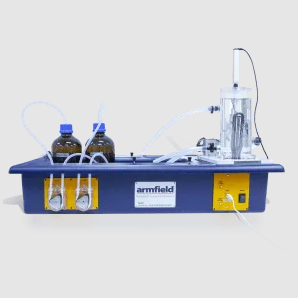
Chemical engineering is a highly technical and ever-evolving field that requires precise education tools to train future engineers effectively. Whether it’s fluid mechanics, heat transfer, thermodynamics, or reaction engineering, having the right equipment is critical for universities and training institutions. Armfield provides some of the most advanced expert tools for teaching chemical engineering, ensuring students gain hands-on experience with industry-relevant processes. In this comprehensive guide, we’ll explore the best expert tools for teaching chemical engineering, why Armfield stands out as a leader in the industry, and how our solutions help institutions worldwide deliver top-tier chemical engineering education. Why Expert Tools Matter in Chemical Engineering Education Chemical engineering is an applied science that blends chemistry, physics, and engineering principles to develop solutions for industrial challenges. To effectively teach this discipline, educators require cutting-edge tools that can simulate real-world chemical processes. Expert tools for teaching chemical engineering not only enhance student learning but also bridge the gap between theoretical knowledge and practical application. Armfield’s innovative equipment is specifically designed to meet these needs, providing realistic, scalable, and safe solutions for laboratory settings. Our systems offer precise control over experimental conditions, giving students a true-to-life experience of working with industrial processes. Armfield.co.uk: The Ultimate Solution for Chemical Engineering Education 1. Comprehensive Range of Equipment At Armfield, we offer an extensive selection of expert tools for teaching chemical engineering, including: Fluid Mechanics & Hydraulics Systems – Essential for understanding fluid flow behaviour and transport phenomena. Heat Transfer Equipment – Used to demonstrate conduction, convection, and radiation principles in real-world applications. Mass Transfer Systems – Covering diffusion, absorption, and distillation processes. Reaction Engineering Units – Providing hands-on experience in kinetics, catalysts, and reactor design. Process Control & Instrumentation – Enabling students to understand automated process control systems used in industry. Each of these solutions is designed to align with the latest university curricula and industrial standards. 2. Industry-Leading Innovation Armfield is renowned for developing laboratory equipment that mirrors real-world industrial processes. Our expert tools for teaching chemical engineering incorporate modern software and data acquisition systems, allowing students to visualise experiments in real-time. With these tools, they can collect data, run simulations, and fine-tune process variables just as they would in an actual chemical plant. 3. User-Friendly and Safe Equipment Safety is paramount in chemical engineering education. Armfield designs all laboratory systems with robust safety features, ensuring a secure learning environment for students. Additionally, our user-friendly interfaces mean that students and educators can easily operate and manage complex experiments without extensive prior training. 4. Compliance with Educational Standards Armfield’s expert tools for teaching chemical engineering are developed to meet international academic standards. Our equipment is used in top universities and research institutions worldwide, proving its reliability and effectiveness in delivering high-quality education. How Our Tools Benefit Educators and Students Hands-On Learning Experience Theoretical knowledge is important, but practical experience is what truly prepares students for the chemical engineering industry. Our laboratory systems allow students to: Conduct experiments on real chemical processes. Understand industrial challenges in a controlled setting. Develop problem-solving and analytical skills essential for their careers. Bridging the Industry-Academia Gap One of the biggest challenges in chemical engineering education is ensuring students are industry-ready. Armfield’s expert tools provide a seamless transition from classroom learning to real-world applications, equipping students with practical skills that employers value. Flexible and Scalable Solutions Whether you’re a small training facility or a large university, our range of products can be customised to meet specific educational needs. With modular designs, institutions can scale their laboratory setups as required. FAQs About Expert Tools for Teaching Chemical Engineering 1. Why are expert tools necessary for teaching chemical engineering? Expert tools are essential because they allow students to gain practical experience with industrial processes, bridging the gap between theory and real-world application. Hands-on learning with professional equipment enhances understanding, improves skill development, and prepares students for careers in chemical engineering. 2. What makes Armfield.co.uk a trusted provider of expert tools for chemical engineering? Armfield has been a leader in engineering education equipment for decades, providing innovative, safe, and high-quality laboratory solutions that meet international standards. Our cutting-edge systems are used by top universities worldwide, ensuring students receive the best possible training. 3. How do Armfield’s chemical engineering tools improve student learning? Our tools provide students with real-time data collection, control over experimental conditions, and exposure to industrial processes. This interactive learning approach helps develop problem-solving skills and a deeper understanding of chemical engineering principles. 4. How can institutions acquire Armfield’s chemical engineering equipment? Institutions can explore our range of products on Armfield and contact us for customised recommendations. Our team is available to assist with product selection, installation, and training to ensure seamless integration into educational programmes. Conclusion At Armfield, we are dedicated to providing expert tools for teaching chemical engineering that transform how students learn. Our innovative, safe, and industry-relevant solutions equip future chemical engineers with the skills and knowledge they need to excel in their careers. If you’re looking to upgrade your chemical engineering laboratory or need tailored solutions for your institution, contact us today for expert advice. Visit our contact page to speak with our team.

The Perks of an Online Real Estate Courses
The dream of a fulfilling career in real estate can feel a world away, especially when juggling work, family, and other commitments. Traditional classroom schedules can be rigid, making it challenging to find the time and flexibility needed to pursue your real estate aspirations. However, the advent of the online Texas real estate course has revolutionized the learning experience, offering unparalleled flexibility and freedom that cater to your unique needs. Read more here. Unmatched Flexibility: Study When It Suits You:Forget about rigid class schedules and commuting. With an online Texas real estate course, you’re the architect of your own learning journey. Study at your own pace, whenever and wherever it works best for you. Early morning, late night, during your lunch break – the choice is entirely yours. Location Independence:No longer confined to a physical classroom, you can study from anywhere with an internet connection. Whether you’re traveling, working from home, or enjoying a coffee shop, your learning environment is as flexible as you are. Life-Friendly Learning:Juggling work, family, and personal responsibilities? An online course allows you to seamlessly integrate your studies into your existing schedule. Study during naptime, while waiting for appointments, or on weekends – the flexibility is unparalleled. Freedom to Learn at Your Own Pace: Master Concepts at Your Own Speed:No more feeling rushed or left behind. An online course allows you to revisit challenging concepts as many times as needed. Spend extra time on topics that require more attention and move quickly through those you grasp easily. Personalized Learning Experience:Each student learns at their own pace. Some may prefer to accelerate through the material, while others may benefit from a slower, more deliberate approach. An online course empowers you to tailor your learning journey to your individual needs and learning style. Revisit Lectures and Materials:Forgot a key concept? Need to review a particular lesson? With an online course, you have unlimited access to course materials, including lectures, presentations, and study guides. Enhanced Learning Experience: Interactive Learning Tools:Many online platforms incorporate interactive elements such as quizzes, simulations, and virtual tours, making the learning process engaging and dynamic. Personalized Feedback:Online courses often provide opportunities for personalized feedback from instructors. You can ask questions, clarify doubts, and receive guidance tailored to your specific needs. Access to a Wealth of Resources:Online platforms often provide access to a wealth of resources, including study guides, practice exams, industry news updates, and even virtual networking opportunities. Cost-Effectiveness: Reduced Expenses:Online courses can often be more cost-effective than traditional classroom-based programs. You can save on commuting costs, childcare expenses, and the cost of textbooks. Flexible Payment Options:Many online schools offer flexible payment plans, making it easier to manage your educational expenses. Improved Time Management and Productivity: Develop Self-Discipline:Studying independently requires self-discipline and time management skills. By successfully navigating an online course, you’ll develop valuable skills that will benefit you throughout your career. Increased Productivity:The flexibility of an online course allows you to study during your most productive hours, maximizing your learning efficiency. Reduced Stress and Anxiety: Eliminate Commuting Stress:Say goodbye to the stress of commuting to and from class. Study in the comfort of your own home or any other location that minimizes distractions and anxiety. Flexible Learning Environment:Create a study environment that is conducive to your learning style. Whether you prefer a quiet space or a bustling coffee shop, you have the freedom to choose the environment that best suits your needs. Technology Integration: Develop Essential Tech Skills:An online course helps you develop essential technology skills, including online research, communication, and the use of various software applications – all valuable assets in today’s tech-driven real estate market. Prepare for the Digital Age of Real Estate:The real estate industry is increasingly reliant on technology. An online course prepares you for the digital age by familiarizing you with online platforms, virtual tours, and other tech-driven tools used by successful real estate professionals. Beyond the Basics: Networking Opportunities:While online courses offer flexibility, they don’t necessarily replace the value of face-to-face interactions. Many online programs offer virtual networking opportunities, allowing you to connect with fellow students and industry professionals. Career Counseling and Support:Some online schools provide career counseling and support services to help you navigate the job market and build a successful career in real estate. Stay Updated with Industry Trends:Online courses often incorporate the latest industry trends and best practices, ensuring that you stay ahead of the curve. Choosing the Right Online Texas Real Estate Course: Research Accredited Schools:Choose an accredited school that is approved by the Texas Real Estate Commission (TREC). Read Reviews and Testimonials:Research online reviews and testimonials from previous students to gain insights into the quality of instruction and student support. Check Course Curriculum:Ensure the course covers all the topics required by TREC for licensure. Consider Instructor Qualifications:Choose a course taught by experienced and knowledgeable instructors with a proven track record of success. Evaluate Technology and Support:Assess the quality of the online platform, the availability of technical support, and the level of student interaction. An online Texas real estate course offers a flexible, accessible, and engaging learning experience that can help you achieve your real estate career goals. By embracing the freedom and flexibility offered by online learning, you can effectively balance your studies with your other commitments and embark on a successful journey in the dynamic Texas real estate market.

The Impact of Debt Consolidation on Loan Eligibility
You have three loans. A personal loan of ₹1,50,000 at 14% interest, a credit card debt of ₹80,000 at 36%, and a vehicle loan of ₹2,00,000 at 11%. Combined, your monthly EMI comes to ₹27,000. You’re struggling to keep up. What if you could combine all these debts into one loan at 12% interest? Now, your monthly EMI is reduced to ₹20,000. That’s a saving of ₹7,000 every month! This process is called debt consolidation, and it can be a game-changer. But how does it affect your chances of getting a new loan? In India, maintaining a credit score above 750 is generally considered good and can improve your chances of securing new credit. Let’s see how it impacts loan eligibility. What Is Debt Consolidation? Debt consolidation is when you combine multiple debts into one. This could be through a personal loan, balance transfer, or home loan top-up. Let’s take an example. Suppose you owe ₹4,00,000 across three loans. If you consolidate them into a single loan of ₹4,00,000 at a lower interest rate, you’ll have one EMI instead of three. But is this enough to get a new loan? Lenders look at your credit score, repayment history, and debt-to-income ratio. Here’s a table to break it down: Type of Debt Current Loan Amount (₹) Interest Rate Monthly EMI (₹) After Consolidation (₹) Personal Loan 1,50,000 14% 8,210 6,671 Credit Card Debt 80,000 36% 8,048 2,378 Vehicle Loan 2,00,000 11% 10,742 8,974 Total 4,30,000 27,000 18,023 This reduced EMI increases your disposable income. Lenders see this as a positive. How Does Debt Consolidation Impact Your Loan Eligibility? Debt consolidation can affect loan eligibility in two ways: Short-Term Impact: Initially, your credit score might drop. Why? The lender makes a hard inquiry. Long-Term Benefit: Over time, your score improves if you pay consistently. Here’s what helps: Lower EMI reduces your debt-to-income ratio. For instance, if your monthly income is ₹50,000 and EMI drops from ₹27,000 to ₹18,000, your ratio changes from 54% to 36%. Better repayment history increases your creditworthiness. The Pros and Cons of Debt Consolidation Pros Simplified Payments: One EMI is easier to manage. Reduced Interest Costs: Lower rates save money over time. Improved Eligibility: Better financial discipline attracts lenders. Cons Fees and Charges: Processing fees or prepayment penalties. Risk of Overspending: Clearing old debts might tempt you to borrow more. Maximise Your Loan Eligibility After Debt Consolidation Here’s how to improve your chances: Pay every EMI on time. Even one delay can hurt your credit score. Don’t apply for multiple loans right after consolidating. Keep your credit utilisation low—below 30%. For example, if you have a ₹1,00,000 credit limit, don’t use more than ₹30,000. Monitor your credit score regularly. Apps like CIBIL or Experian can help. Avoid taking a higher loan than you need. Conclusion Debt consolidation simplifies your finances. But remember, it’s not a magic wand. You must use it wisely. Plan your finances and avoid overspending. Indians who consolidate debt may see improved loan eligibility within a year. Will you take the next step to manage your debt? FAQs Can I apply for a loan immediately after consolidating debt? No. Wait 3-6 months to show consistent payments. Does debt consolidation improve my credit score? Yes, over time, if you pay EMIs on time. What’s the best method for debt consolidation in India? Personal loans or balance transfers are popular. How much debt can I consolidate? It depends on your income and repayment capacity.

4 Simple Well Pump Installation Steps to Consider
If you’re planning to install a well pump, it’s essential to get it right from the start. A well pump is an important component of your water system, ensuring a steady supply of water to your home or property. Whether you’re working on a new well or replacing an old pump, this 4 step guide to the installation process will help you out. These steps focus on efficiency, functionality, and safety while ensuring your water system operates seamlessly. Read on! 1. Preparing for Well Pump Installation Before diving into the well pump installation process, preparation is key. Proper planning ensures a smooth process and prevents potential issues down the road. Start by evaluating the amount of water your household or property requires daily. Then, select the right type of well pump. There are two primary types of well pumps to choose from: jet pumps (suitable for shallow wells that are less than 25 feet deep, and submersible pumps (iIdeal for deeper wells as they operate underwater). Choosing the wrong pump can lead to inefficiency or failure, so consult a professional or refer to the well specifications. 2. Installing the Pump and Well Components With your materials and tools ready, it’s time to install the pump. This step involves precision to ensure optimal performance and long-term reliability. For submersible pumps, carefully lower the pump into the well casing using a sturdy rope or cable. Make sure it is properly aligned at the desired depth. If you’re working with a jet pump, position it above the well and connect it to the suction pipe. Afterward, connect the pipes to the pump. For jet pumps, attach the suction and delivery pipes using PVC or galvanized steel. And connect the drop pipe to the pump’s outlet for submersible pumps. Ensure all connections are tight and leak-free. Use Teflon tape on threaded joints to create a watertight seal. 3. Connecting the Pump to the Water System Once the pump is installed, it must be integrated into your water distribution system. This ensures the water reaches its intended destinations efficiently. A pressure tank regulates water flow and maintains consistent pressure throughout the system. Place the tank near the pump and connect it using the appropriate fittings. Install a check valve to prevent water from flowing back into the well. A pressure switch helps automate the pump, turning it on and off based on water demand. At the end, attach the pump’s discharge pipe to your main water line, ensuring a secure connection. Test for leaks at each joint before proceeding. 4. Testing and Final Adjustments The last step in the well pump installation process is testing the system to ensure it functions correctly. Skipping this step can lead to costly issues later. Some pump types, like jet pumps, require priming before they can operate. Follow the manufacturer’s instructions to fill the pump with water and eliminate air pockets. Then, turn on the pump and observe its performance. Check all connections for signs of leakage and tighten any loose fittings. You can use a pressure gauge to measure the water pressure throughout your system. Adjust the pressure switch settings to achieve optimal performance. Run water through multiple fixtures to ensure even distribution and adequate flow.
The Impact of Google Ads on Digital Marketing Strategies
In the ever-changing world in the field of online marketing companies always seek out effective strategies to attract customers and increase conversions. A major and revolutionary tool used in this field is Google Ads. Being the most popular pay-per-click (PPC) marketing platform in the world, Google Ads has a Google Traffic on digital marketing strategy, influencing the ways companies advertise their services and products. This article focuses on the influence of Google Ads on digital marketing and examines its advantages along with its challenges, best practices, and future developments. The Rise of Google Ads The company was founded in 2000. Google Ads, formerly known as Google AdWords, revolutionized online advertising. It allows companies to show advertisements on Google’s search results pages (SERPs) and its extensive network of partner websites. By leveraging the huge amount of traffic Google receives, businesses can better target potential customers and get them in touch precisely at the right time in their buying journey. Advantages of Google Ads Targeted advertising: Google Ads offers unparalleled possibilities for targeting. Advertisers can tailor their ads by focusing on keywords, locations demographics, devices, and user behavior, making sure that their ads are presented to the most relevant people. This degree of precision can help increase conversion rates and minimize wasteful spending. Instant Results: Unlike SEO, also known as search engine optimization (SEO) which may take a while to show outcomes, Google Ads delivers immediate visibility. After a campaign has been established, advertisements can be displayed almost immediately, giving businesses instant access to prospective customers. Measurable results: Google Ads provides detailed reports and analytics tools to help marketers assess the effectiveness of their ads in real-time. Important metrics like CTR, click-through rates (CTR), and conversion rates, as well as return on investment (ROAS), can be used to guide the use of data to make decisions. Flexible budgeting: Companies are able to manage their advertising budgets by setting budgets for each day and then adjusting bids according to the performance. This flexibility allows businesses of any size to benefit from Google Ads without committing to massive advertising budgets in advance. Different formats for ads: Google Ads supports various ad formats, including display ads, text advertisements, videos as well as shopping advertisements. This flexibility lets businesses choose the appropriate format to meet their customers and goals in marketing. Challenges of Using Google Ads Although Google Ads offers significant benefits, however, it also poses issues that marketers need to address: Competitive Landscape: With millions of advertising companies trying to get attention from Google The battle for attention is intense. Keywords with high demand can result in an increase in cost per click (CPC) which makes it difficult for small businesses to be competitive. Complexity: The complexities of establishing and managing a Google Ads campaign can prove overwhelming for novices. Understanding its features, changing bidding strategies, and understanding analytics data demand knowledge and patience. Ad Fatigue: As time passes, audiences might become numb to advertisements they are exposed to frequently, which leads to less engagement. Advertisers need to constantly refresh their content and messages to keep their audience engaged. Policy Conformity: Google has stringent advertising policies that must be followed. Infractions of these rules can result in advertisements being disapproved or accounts being shut down and hinder marketing efforts. Incorporating Google Ads into Digital Marketing Strategies To maximize the effect of Google Ads on digital marketing strategies, businesses should adopt an entire strategy: Keyword Research: Perform thorough keyword research to find relevant terms for search that customers are likely to use. Tools such as Google Keyword Planner will help you identify keyword phrases that are high in traffic and low in competition. They are in line with the offerings of businesses. Audience Targeting: Use Google Ads’ audience targeting features. Develop different campaigns to target specific audiences, and allow for customized messages that connect with distinct buyer personas. Compelling advertising Copy And Creatives Crafting attractive ads and their visuals is vital. Ads must be clear in their purpose, have strong calls to action (CTAs), and have captivating images for advertisements on display. Testing different ads will help determine what is the most effective. The Landing Page Optimized: Make sure that the landing pages are pertinent to the advertisements and optimized to convert. An effortless user experience, quick load times and written CTAs can dramatically increase conversion rates. Continuous Optimization: Continually monitor and analyze the performance of your campaign. Utilize data to make informed choices, including making adjustments to bids, refining the keywords, and halting poorly performing advertisements. Continuous optimization makes sure that campaigns are in line with the business goals. Integration with other marketing Channels: Google Ads should not be used independently. The integration of PPC with other marketing strategies like the SEO process, marketing content, as well as social media, provides an overall method of customer engagement, increasing reach and effectiveness. Future Trends in Google Ads and Digital Marketing As technology advances and evolves, so too does the world that is Google ads management company and digital marketing. A variety of emerging trends are set to influence the future of advertising on the Internet: Artificial Intelligence (AI) and Machine Learning: Google Ads is increasingly incorporating AI as well as machine learning to improve bid strategies and targeting. Advertisers can look forward to better-performing automation that can adjust bids in real-time according to the predicted results. voice search advertising: Due to the increasing usage of devices that are voice-activated optimizing for voice search has become vital. Marketers must adapt their keywords strategies and advertising strategies to adapt to this change in consumer behavior. A greater emphasis on video advertising: Video content continues to gain popularity across different platforms. Google Ads will likely expand its options for video ads and allow companies to engage people with their stories through a creative approach. Privacy and Regulations Changes: As privacy concerns for users increase, changes to the practices of data collection and regulations for advertising could affect the way businesses reach consumers with advertisements. Advertisers will have to

Maintaining a Pristine Home: Practical Tips for a Clean and Healthy Living Space
Keeping your home clean goes beyond daily chores; it requires a blend of consistent habits and targeted care to create a healthy, welcoming environment. A clean home promotes better physical and mental well-being, minimizes allergens, and ensures a pleasant living space for you and your family. Here are effective ways to maintain a spotless home, including the importance of mould cleaning and rodent control. Develop a Regular Cleaning Routine Establish a consistent cleaning schedule that includes daily, weekly, and monthly tasks. Regularly vacuum, dust, and mop floors to prevent dust buildup, allergens, and grime. Tackle tasks such as changing bed linens, sanitizing kitchen surfaces, and cleaning bathroom fixtures on a weekly basis. Declutter and Organize A clutter-free home is easier to clean and creates a more comfortable and calming space. Take time to declutter your living areas, get rid of items you no longer need, and find storage solutions for frequently used items. Keeping surfaces clear reduces dust accumulation and makes cleaning more efficient. Address Spills and Stains Immediately Clean up spills and stains as soon as they happen to prevent long-term damage to surfaces, carpets, or furniture. Prompt action can minimize staining, reduce odors, and prevent bacteria growth. Control Dust and Allergens Use high-efficiency particulate air (HEPA) filters in your vacuum and air purifiers to trap fine dust, pet dander, and allergens. Regularly wash curtains, upholstery, and area rugs to keep your home’s air quality high and minimize allergens. Mould Cleaning for a Healthier Home Mould cleaning is essential for maintaining a healthy home environment. Mould can cause respiratory issues and trigger allergies, making it crucial to remove any signs of mould growth as soon as they appear. Clean affected areas using a mixture of water and vinegar or a specialized mould removal product. Consider hiring professional mould remediation services if you have extensive growth or if the mould recurs. Keep your home well-ventilated and manage humidity levels to prevent mould from developing. Keep Your Kitchen Clean Kitchens are high-traffic areas prone to bacteria and grease buildup. Clean countertops, appliances, and sinks daily, and regularly empty and disinfect trash bins. Pay attention to hard-to-reach areas like the spaces behind appliances, which can harbor dirt and attract pests. Focus on Bathrooms Bathrooms require regular cleaning to keep bacteria, soap scum, and mildew at bay. Disinfect sinks, toilets, and shower areas frequently. Scrub tiles and grout with a cleaning solution to prevent mould and mildew buildup. Implement Rodent Control Measures Rodents pose health risks and can damage your property, making rodent control an important part of home maintenance. Seal cracks and gaps in walls, floors, and foundations to prevent rodent entry. Store food in airtight containers and eliminate food sources that might attract pests. If you suspect a rodent infestation, consider working with professional pest control services to address the issue effectively and humanely. Wash Windows and Mirrors Clean windows, mirrors, and glass surfaces regularly to maintain a bright and polished appearance. Use a vinegar and water solution or glass cleaner for streak-free results. Clean window tracks and sills to prevent dirt buildup.
Underground Solutions: Ensuring Proper Wastewater Management
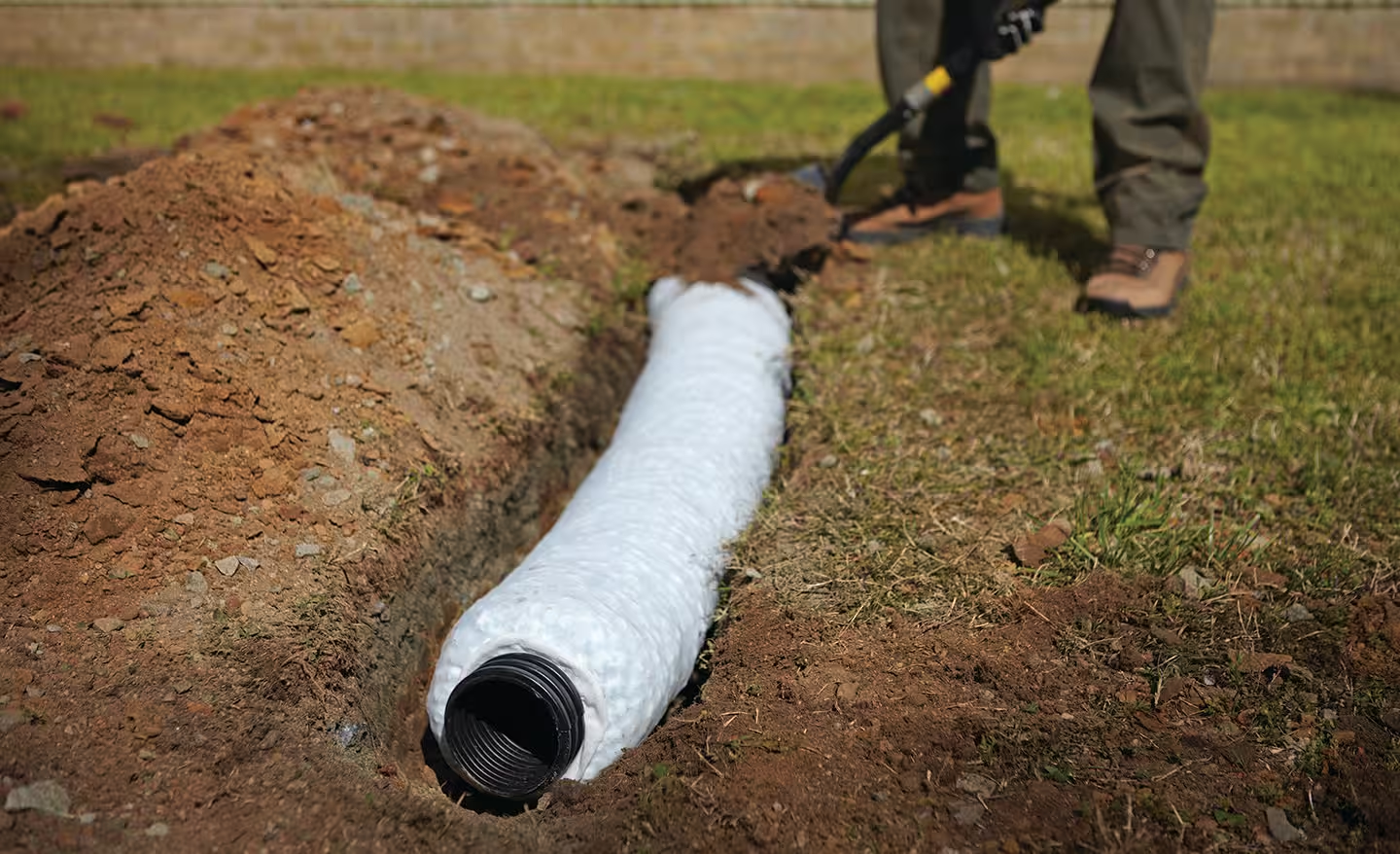
Effective wastewater management is crucial for maintaining public health and environmental sustainability. As urbanization increases, the demand for robust wastewater systems has never been more critical. This article explores essential components of wastewater management, focusing on drain line installations, septic tank repairs, and other innovative underground solutions. Drain Line Install: Ensuring Effective Wastewater Flow Drain Line Install is the backbone of any wastewater management system. These lines are responsible for transporting sewage and wastewater from homes and businesses to treatment facilities or septic systems. Proper installation is vital to prevent clogs, leaks, and other issues that can lead to costly repairs and environmental hazards. When installing drain lines, several factors must be considered: Material Selection: Common materials include PVC, ABS, and cast iron. The choice depends on local regulations, soil conditions, and the specific requirements of the project. PVC is popular for its durability and ease of installation, while cast iron is often chosen for its strength and sound-dampening properties. Slope and Elevation: Drain lines must be installed at a proper slope to ensure effective flow. The standard slope is 1/4 inch per foot, which allows gravity to assist in moving wastewater through the system. Installing lines at the correct elevation also helps prevent backups and ensures that the wastewater reaches treatment facilities efficiently. Connection to Existing Systems: When connecting new drain lines to existing systems, it’s crucial to ensure compatibility. This may involve using specific fittings or adapters to connect different materials or diameters. Proper sealing is essential to prevent leaks, which can cause environmental contamination and health hazards. Regular Maintenance: After installation, regular inspections and maintenance of drain lines are essential. This includes cleaning to remove buildup and checking for leaks or damages. Preventive maintenance can extend the life of the system and prevent costly repairs. Septic Tank Repair: Addressing Common Issues Septic tanks are an alternative wastewater management solution, particularly in rural areas where centralized systems are not feasible. While these systems are effective, they require proper maintenance and occasional repairs. Common issues that necessitate septic tank repair include: Clogs and Backups: Over time, solid waste can accumulate in the tank, leading to clogs. If the tank is not pumped regularly, it can overflow, causing sewage to back up into the home. Regular pumping, typically every 3 to 5 years, can prevent this issue. Leaking Tanks: Cracks or damage to the tank can lead to leaks, which pose significant environmental risks. If untreated, wastewater can seep into the soil, contaminating groundwater. Repairing leaks may involve sealing cracks or, in more severe cases, replacing the tank entirely. Malfunctioning Drain Fields: The drain field, or leach field, is critical for treating wastewater before it re-enters the groundwater. If the drain field becomes saturated or damaged, it can fail to filter the wastewater effectively. Repairing or replacing the drain field may involve installing new lines or amending the soil to improve drainage. Tree Root Intrusions: Trees planted near septic tanks or drain lines can cause significant damage as roots seek moisture. Regular inspection and appropriate landscaping can help mitigate this issue, ensuring that roots do not intrude into the system. Other Innovative Underground Solutions In addition to drain line installation and septic tank repairs, several other solutions enhance wastewater management: 1. Advanced Treatment Systems Emerging technologies in wastewater treatment, such as aerobic treatment units (ATUs) and constructed wetlands, offer efficient alternatives to traditional septic systems. ATUs use oxygen to break down waste more effectively, while constructed wetlands mimic natural filtration processes, providing an eco-friendly solution for treating wastewater. 2. Greywater Recycling Systems Greywater systems capture and treat wastewater from non-toilet sources, such as sinks and showers. This recycled water can be reused for irrigation or toilet flushing, reducing the demand for freshwater and decreasing the volume of wastewater entering treatment facilities. 3. Permeable Paving Permeable paving allows rainwater and other liquids to pass through surfaces, reducing runoff and promoting groundwater recharge. This solution is particularly effective in urban areas where impermeable surfaces dominate, helping to manage stormwater more sustainably. 4. Regular Inspections and Maintenance Programs Implementing regular inspection and maintenance programs for wastewater systems can prevent issues before they escalate. These programs can identify potential problems early, allowing for timely repairs and maintenance, thus ensuring the longevity and efficiency of the system. Conclusion Proper wastewater management is essential for public health and environmental sustainability. With innovative solutions like drain line installations and septic tank repairs, along with advanced treatment systems and greywater recycling, communities can effectively manage their wastewater needs. Investing in these underground solutions not only protects the environment but also enhances the quality of life for residents. By prioritizing effective wastewater management practices, we can ensure a cleaner, healthier future for generations to come.

Boost Office Productivity with a Clean Workspace: The Science Behind It
In today’s fast-paced business world, companies are constantly seeking ways to enhance productivity and efficiency. While many focus on technological solutions or management strategies, one crucial factor often goes overlooked: the cleanliness of the work environment. At Cleaning Logistics, we understand the profound impact a clean workspace can have on productivity, and we’re here to explore the science behind it. The Link Between Cleanliness and Productivity Research has consistently shown a strong correlation between a clean work environment and increased productivity. A study by HLW International LLP found that a clean and well-organized office can boost productivity by up to 5%. This may seem small, but it can translate into significant gains over time. How Cleanliness Affects the Mind Reduced Stress: A cluttered, dirty environment can increase stress levels, leading to decreased focus and productivity. A clean space, on the other hand, promotes a sense of calm and control. Improved Focus: In a tidy environment, employees are less likely to be distracted by mess or disorganization, allowing them to concentrate better on their tasks. Enhanced Motivation: A clean, well-maintained office sends a message that the company cares about its employees and their work environment, which can boost morale and motivation. The Impact of Clutter on Cognitive Function Clutter isn’t just an eyesore; it can actually impair cognitive function: Decreased Processing Capacity: A Princeton University study found that physical clutter in your surroundings competes for your attention, resulting in decreased performance and increased stress. Reduced Working Memory: Clutter can overload your visual cortex, interfering with your brain’s ability to process information efficiently. Impaired Decision Making: A cluttered environment can make it more difficult to focus and process information, leading to poor decision-making. Air Quality and Its Effect on Employee Health and Performance The cleanliness of an office goes beyond what meets the eye. Air quality plays a crucial role in employee health and productivity: Reduced Sick Days: Poor air quality can lead to increased illness among employees. Regular cleaning and proper ventilation can significantly reduce airborne contaminants. Improved Cognitive Function: A Harvard study found that improved air quality can double occupants’ cognitive function test scores. Enhanced Comfort: Clean, fresh air contributes to a more comfortable work environment, allowing employees to focus on their tasks rather than physical discomfort. The Role of Professional Cleaning in Maintaining a Hygienic Office Environment While daily tidying is important, professional cleaning services like Cleaning Logistics play a crucial role in maintaining a truly hygienic office environment: Deep Cleaning: We use specialized equipment and techniques to clean beyond the surface, removing hidden dirt and contaminants. Consistency: Regular professional cleaning ensures that high standards of cleanliness are consistently maintained. Time-Saving: Outsourcing cleaning tasks allows employees to focus on their core responsibilities. Expertise: Professional cleaners are trained to effectively clean and sanitize various office surfaces and equipment. Tips for Keeping Workspaces Tidy Between Professional Cleanings Encourage your team to maintain cleanliness with these simple tips: Implement a “clean desk” policy at the end of each day Provide easy access to cleaning supplies for quick clean-ups Encourage regular decluttering sessions Set up recycling stations to reduce waste accumulation Lead by example – keep common areas and management offices tidy How Cleaning Logistics Can Help Create a More Productive Office Atmosphere At Cleaning Logistics, we specialize in creating clean, healthy office environments that foster productivity: Customized cleaning plans tailored to your office’s specific needs Use of eco-friendly cleaning products to promote a healthier workspace Flexible scheduling to minimize disruption to your operations Regular air quality assessments and improvements By partnering with Cleaning Logistics, you’re not just investing in cleanliness – you’re investing in your team’s productivity, health, and job satisfaction. Don’t let a cluttered, dirty office hold your team back. Contact Cleaning Logistics today to learn how we can help boost your office’s productivity through professional cleaning services.

Understanding Transmission Replacement: When Is It Necessary?
The transmission system is a critical component of any vehicle, playing a vital role in the overall performance and efficiency. When the transmission begins to fail, drivers often face a difficult decision: repair or replace? This article aims to clarify the circumstances under which transmission replacement is necessary, the signs of transmission failure, and the benefits of addressing transmission issues promptly. The Role of the Transmission Before diving into the signs of failure, it’s essential to understand the transmission’s role within a vehicle. The transmission is responsible for transferring power from the engine to the wheels, allowing the vehicle to move. It adjusts the engine’s output to suit various driving conditions, making it crucial for both performance and fuel efficiency. A properly functioning transmission ensures a smooth driving experience, while a malfunctioning one can lead to a host of issues, ranging from poor acceleration to complete vehicle failure. Signs of Transmission Failure Recognizing the signs of a failing transmission is the first step in determining whether transmission replacement is necessary. Common indicators include: 1. Slipping Gears One of the most evident signs of transmission issues is when the vehicle unexpectedly slips out of gear. This can manifest as a sudden loss of power or a noticeable delay when accelerating. Slipping gears often indicate internal damage or a problem with the transmission fluid. 2. Unusual Noises If you hear grinding, whining, or clunking noises when shifting gears, it’s a red flag. These sounds can indicate worn gears or bearings, which may require transmission replacement if not addressed promptly. 3. Fluid Leaks Transmission fluid is typically a bright red color and has a distinct odor. If you notice puddles of fluid under your vehicle, it’s crucial to address the issue immediately. Low fluid levels can lead to increased friction and overheating, which may necessitate transmission replacement. 4. Warning Lights Modern vehicles are equipped with various sensors that monitor the performance of the transmission. If the check engine light or a specific transmission warning light appears on the dashboard, it’s essential to consult a mechanic. Ignoring these warnings can lead to further damage and costly repairs. 5. Poor Acceleration A delay in acceleration or feeling like the vehicle is hesitating when you press the gas pedal can signal a failing transmission. This symptom may stem from internal issues that affect the transmission’s ability to transfer power effectively. When to Consider Transmission Replacement If you notice any of the signs mentioned above, it’s vital to consult a qualified mechanic for an assessment. The decision to replace the transmission typically depends on several factors: 1. Age and Condition of the Vehicle If your vehicle is relatively new and well-maintained, a repair may be more feasible than replacement. However, if the vehicle is older or has a history of transmission problems, replacement might be the more economical choice in the long run. 2. Extent of Damage A thorough diagnostic test can reveal the extent of the transmission damage. If the damage is limited to minor components, a repair may suffice. However, if critical parts, such as the torque converter or clutch, are damaged, transmission replacement could be necessary. 3. Cost Considerations When faced with transmission issues, the cost of repairs versus replacement is a significant consideration. In some cases, the cost of repairing a transmission can approach the price of a new or rebuilt unit. If the repair costs exceed 50% of the vehicle’s value, replacement may be the wiser financial decision. 4. Performance Needs If the vehicle is primarily used for commuting or light driving, a repair might be adequate. However, if you require your vehicle for towing, off-roading, or other demanding tasks, a replacement may offer the reliability and performance needed for these applications. Benefits of Prompt Action Addressing transmission issues as soon as they arise can prevent further complications and save money in the long run. Ignoring signs of transmission failure can lead to more severe damage, potentially resulting in the need for a complete transmission replacement. Timely intervention can also enhance safety by ensuring that the vehicle operates smoothly. Conclusion Understanding when transmission replacement is necessary requires awareness of the symptoms of transmission failure and consideration of various factors. By recognizing the signs and seeking professional assistance promptly, drivers can make informed decisions about their vehicles’ maintenance. Transmission replacement can be a significant investment, but ensuring that your vehicle operates reliably and efficiently is worth it. Regular maintenance and attention to warning signs can help prevent the need for costly replacements, allowing you to enjoy a safer and more dependable driving experience.

The Ultimate Guide to Storm Entry Doors: Protection and Aesthetics for Your Home
When it comes to safeguarding your home against the elements, storm entry doors offer an effective blend of protection and aesthetic appeal. These specialized doors not only enhance the safety of your home but also contribute to its overall appearance. In this comprehensive guide, we will explore the benefits, features, and considerations to keep in mind when selecting storm entry doors for your property. Understanding Storm Entry Doors Storm entry doors are specifically designed to provide an additional layer of protection against harsh weather conditions. Typically installed in front of your primary entry door, they serve as a barrier against wind, rain, snow, and debris, making them a crucial element in regions prone to severe weather. While their primary function is to offer protection, storm entry doors come in various styles and materials, allowing homeowners to select options that align with their aesthetic preferences. Benefits of Storm Entry Doors Enhanced Security One of the most significant advantages of Storm Entry Doors is their ability to enhance the security of your home. Constructed from durable materials such as fiberglass or steel, these doors are resistant to forced entry. Many storm doors also feature multi-point locking systems, providing an added layer of security that standard entry doors may lack. Energy Efficiency Storm entry doors play a vital role in improving your home’s energy efficiency. They are often equipped with weather stripping and insulation, which help to minimize drafts and heat loss. By creating a tighter seal, these doors can significantly reduce energy costs, making them a smart investment for homeowners looking to improve their home’s overall efficiency. Protection from the Elements Storm entry doors are built to withstand extreme weather conditions. They are designed to resist warping, cracking, and fading, ensuring they maintain their structural integrity over time. In addition to protecting against harsh weather, storm doors can also prevent water infiltration, reducing the risk of mold and mildew growth in your home. Increased Curb Appeal Beyond their protective features, storm entry doors can enhance the curb appeal of your home. Available in various styles, colors, and finishes, these doors can complement your home’s architecture while providing a polished look. Homeowners can choose from traditional designs, modern aesthetics, or even custom options to achieve the desired appearance for their property. Key Features to Consider Material Selection When selecting storm entry doors, the material plays a crucial role in determining durability, aesthetics, and insulation properties. Common materials include: Fiberglass: Known for its strength and energy efficiency, fiberglass doors resist dents and scratches while providing excellent insulation. Steel: Steel storm doors offer maximum security and durability. They are often more affordable than fiberglass but may require regular maintenance to prevent rust. Aluminum: Lightweight and resistant to corrosion, aluminum storm doors are a popular choice for modern homes. However, they may not provide the same level of insulation as fiberglass or steel. Design and Style The design of your storm entry door should align with your home’s aesthetic. Options range from traditional panel designs to contemporary full-view models that offer increased visibility. Consider features such as: Glass Inserts: Adding decorative or tempered glass can enhance the beauty of your storm door while allowing natural light into your entryway. Color and Finish: Choose a color that complements your home’s exterior. Many manufacturers offer a variety of finishes, including painted and stained options. Grille Patterns: Grilles can add character to your storm door. Select a pattern that suits your home’s style. Installation Considerations Proper installation is critical to ensuring the effectiveness of your storm entry door. While many homeowners may opt for a DIY approach, professional installation is recommended for optimal performance and durability. A qualified contractor can ensure the door is correctly fitted, sealed, and weatherproofed, providing peace of mind against the elements. Maintenance Tips for Storm Entry Doors To maximize the lifespan and performance of your storm entry doors, regular maintenance is essential. Consider the following tips: Cleaning: Regularly clean the door’s surface to remove dirt and debris. Use a mild soap and water solution, avoiding harsh chemicals that may damage the finish. Inspection: Periodically check for signs of wear, such as cracks or damaged weather stripping. Addressing these issues promptly can prevent further damage. Lubrication: Ensure that all moving parts, such as hinges and locks, are properly lubricated to maintain functionality. Conclusion Storm entry doors offer an essential combination of protection and aesthetics for homeowners. By investing in high-quality storm doors, you can enhance your home’s security, improve energy efficiency, and elevate curb appeal. Consider the various materials, styles, and features available to select the perfect storm entry door that meets your needs. With proper installation and maintenance, your storm entry doors will provide lasting benefits for years to come, ensuring your home remains a safe and beautiful sanctuary.