

CNA courses online are a convenient way to learn the basic knowledge and skills needed to work as a Certified Nursing Assistant (CNA). These courses introduce students to patient care, medical terminology, infection prevention, personal hygiene, vital signs, and the responsibilities of nursing assistants.
Online learning can be especially useful for people who need a flexible study schedule or want to understand healthcare fundamentals before beginning practical training. However, becoming a certified nursing assistant usually involves more than completing online lessons. In the United States, candidates generally need to complete a state-approved training programme, gain supervised hands-on experience, and pass the required competency examination.
This guide explains what online CNA courses cover, how they work, their benefits, eligibility requirements, costs, career opportunities, and how to select a suitable programme.
What Are CNA Courses Online?
CNA courses online are educational programmes that teach the theoretical knowledge required for entry-level nursing assistant work. CNA stands for Certified Nursing Assistant, a healthcare support professional who assists patients with everyday activities and basic care under the supervision of qualified healthcare professionals.
Online CNA training may include recorded lectures, live virtual classes, digital textbooks, quizzes, demonstrations, and assignments. Some programmes use a hybrid format in which students complete classroom lessons online and attend an approved facility for laboratory practice and clinical experience.
Typical subjects include:
- Basic nursing care
- Patient hygiene and grooming
- Infection prevention and control
- Medical terminology
- Measuring vital signs
- Patient mobility and positioning
- Nutrition and hydration
- Communication with patients
- Patient safety and emergency procedures
- Ethical and professional responsibilities
An important point is that an online course is not automatically an official CNA certification programme. Students who want to qualify for CNA employment in the United States should check that their training provider is approved under the requirements of the state where they intend to work.
Can You Become a CNA Entirely Online?
In most cases, no. Online learning can cover some or much of the theoretical portion of CNA education, but practical training is generally required.
Nursing assistants work directly with patients. They must demonstrate that they can perform essential tasks safely, communicate appropriately, maintain hygiene, and respond to patient needs.
Depending on the state and approved programme, students may need to complete:
- Online or classroom-based theory lessons.
- Supervised laboratory practice.
- Hands-on clinical training in an approved healthcare facility.
- A written or oral knowledge examination.
- A practical skills evaluation.
For example, Texas allows eligible trainees to complete a 60-hour computer-based classroom component online, but they must also complete 40 hours of clinical training through an approved programme before qualifying for the examination route.
California has its own requirements for approved online nurse assistant training programmes, including online theory and supervised clinical instruction.
Therefore, always check the rules of the state where you plan to become certified. A certificate of completion from a general online course does not necessarily qualify you for a state CNA examination or certification.
What Do Online CNA Courses Teach?
A good online CNA programme covers the knowledge needed to support patients safely and respectfully.
1. Basic Nursing Skills
Students learn the fundamental responsibilities of nursing assistants, including assisting patients with daily activities, observing changes in their condition, and reporting concerns to supervising staff.
2. Patient Hygiene and Personal Care
This subject covers bathing, grooming, oral hygiene, dressing, toileting, and maintaining patient comfort and dignity.
3. Infection Control
Students learn how infections spread and how to reduce risks through proper handwashing, protective equipment, cleaning procedures, and safe handling of contaminated materials.
4. Vital Signs
CNA training introduces students to measuring and recording basic vital signs, including:
- Body temperature
- Pulse
- Respiratory rate
- Blood pressure
- Oxygen saturation, where included in the programme
Students also learn why accurate recording and prompt reporting are important.
5. Patient Mobility and Safety
This module covers helping patients move safely, changing positions, using mobility aids, and reducing the risk of falls and injuries.
6. Nutrition and Hydration
Students learn how to assist patients during meals, understand basic dietary requirements, monitor food and fluid intake, and report difficulties with eating or drinking.
7. Communication and Patient Rights
Nursing assistants interact with patients, families, nurses, and other healthcare professionals. Training therefore includes communication, privacy, confidentiality, cultural sensitivity, and respect for individual needs.
8. Emergency Awareness
Students learn how to recognise emergencies, follow workplace procedures, and seek assistance from qualified healthcare professionals.
Benefits of Taking CNA Courses Online
Online CNA learning can be a useful option for students who want flexibility and accessible study materials.
Flexible Study Schedule
Many online programmes allow students to access lessons outside traditional classroom hours. This can help people balance education with employment, family responsibilities, or other commitments.
Learn at Your Own Pace
Recorded lessons and digital resources may allow students to revisit difficult topics and spend more time practising theoretical concepts.
Convenient Access to Learning Materials
Students can often use a computer, tablet, or smartphone to access course materials, assignments, and practice quizzes.
Develop Healthcare Knowledge
Even before practical training begins, students can build an understanding of patient care, medical terminology, infection prevention, and healthcare workplace expectations.
Prepare for Further Training
An introductory online course may help learners decide whether they want to pursue a healthcare support career or enrol in an approved practical training programme.
Types of Online CNA Training Programmes
Not every programme provides the same qualification. Understanding the different options can help you avoid enrolling in a course that does not meet your career goals.
Fully Online Introductory Courses
These programmes teach healthcare fundamentals through digital lessons. They may provide a certificate of course completion but do not necessarily lead to official CNA certification.
Hybrid CNA Training Programmes
Hybrid programmes combine online theory lessons with in-person laboratory practice and supervised clinical training.
For many students seeking a recognised CNA qualification in the United States, this format is worth considering, provided the programme meets the relevant state requirements.
State-Approved CNA Training Programmes
These programmes are designed to satisfy the training requirements of a particular state. They may include classroom instruction, clinical hours, skills assessments, and examination preparation.
Always verify approval directly with the relevant state health department or nurse aide registry.
CNA Exam Preparation Courses
Exam preparation courses help students review nursing assistant concepts, practise sample questions, and understand the practical skills they may need to demonstrate.
These courses are useful supplements but are not substitutes for required training or clinical experience.
Eligibility Requirements for CNA Courses Online
Eligibility requirements vary according to the training provider and the state where certification is sought.
Common requirements may include:
- Meeting the programme’s minimum age requirement.
- Having the required level of education or reading ability, if specified.
- Providing identification and admission documents.
- Completing background checks where required.
- Meeting health screening or immunisation requirements for clinical placement.
- Having access to a computer or smartphone and a reliable internet connection.
- Meeting language and communication requirements.
Some programmes may have additional requirements for clinical placements or state examination eligibility.
Before enrolling, review the admission criteria carefully and ask the provider whether international students can participate.
How Long Do Online CNA Courses Take?
The duration depends on the programme structure, state requirements, and the time a student can dedicate to training.
Some CNA programmes can be completed in approximately four to twelve weeks, while others take longer. The US Centers for Medicare & Medicaid Services (CMS) describes state-approved CNA training programmes that commonly last four to twelve weeks.
The overall schedule may include:
- Theory lessons
- Laboratory practice
- Supervised clinical experience
- Examination preparation
- Certification testing
Do not select a programme based only on the shortest advertised duration. Confirm that it includes all required training hours and practical assessments.
How Much Do Online CNA Courses Cost?
The cost of online CNA courses varies considerably. It depends on the training provider, location, course format, clinical arrangements, and examination fees.
Possible expenses include:
| Expense | What it may cover |
|---|---|
| Tuition | Online lessons and course instruction |
| Study materials | Textbooks, digital resources, and practice tests |
| Laboratory fees | Practical skills training and equipment |
| Clinical fees | Supervised training arrangements, where applicable |
| Examination fees | Required knowledge and skills assessments |
| Additional costs | Uniforms, background checks, or health documentation |
Some nursing homes and healthcare employers in the United States offer paid CNA training or cover eligible training expenses. CMS advises prospective candidates to contact local nursing homes to ask about available training programmes and employment opportunities.
Before paying, request a complete breakdown of fees and check whether examination and clinical training costs are included.
How to Choose the Best CNA Courses Online
Choosing the right programme is important because not every online healthcare course leads to a recognised qualification.
Consider the following factors before enrolling.
1. Check State Approval
If you want to become a CNA in the United States, confirm that the training programme is approved by the relevant state authority.
Do not rely only on a provider’s advertising or claims of accreditation.
2. Confirm Clinical Training Arrangements
Ask where practical training takes place, who supervises students, how many hours are required, and whether the programme arranges clinical placements.
3. Review the Course Curriculum
A suitable programme should cover patient care, infection prevention, communication, safety, vital signs, personal hygiene, and other essential nursing assistant topics.
4. Understand Certification Eligibility
Ask whether completing the course makes you eligible to apply for the relevant state competency examination.
Get this information in writing before paying tuition.
5. Compare Total Costs
Compare tuition, materials, clinical fees, examination fees, and any additional charges. A low advertised price may not include every required expense.
6. Check Student Support
Look for programmes that provide access to instructors, academic support, clear learning materials, and guidance about clinical training.
7. Read Reviews Carefully
Student reviews can help you understand the learning experience, but they should not replace verification with the official state authority.
CNA Courses Online for International Students
International students may be interested in online CNA training because they want to enter the healthcare sector or explore employment opportunities in another country.
However, CNA certification is particularly associated with the United States. Requirements are not universal, and a certificate from an online provider may not be accepted by employers or regulators in another country.
What Should Students in India Know?
Students in India should be especially careful when choosing an online CNA programme.
CNA is not automatically equivalent to an Indian nursing qualification or a locally recognised healthcare credential. The recognition of a certificate depends on the employer, training provider, qualification framework, and applicable regulatory requirements.
The University Grants Commission’s Distance Education Bureau lists nursing among the programmes prohibited from being offered through online or open-and-distance-learning modes. Its guidance also identifies restrictions for medical and other healthcare-related programmes.
Consequently, students in India should not assume that an online-only nursing or CNA certificate is a recognised professional qualification.
Before enrolling, consider these steps:
- Identify the country where you want to work.
- Check whether CNA certification is required for the job.
- Contact the relevant healthcare regulator or employer.
- Confirm whether the training provider is officially approved.
- Ask whether practical training is compulsory.
- Check whether international applicants are eligible.
- Confirm whether the certificate will be accepted in your intended location.
If your goal is to work in India, compare CNA courses with locally recognised healthcare assistant, patient care assistant, nursing assistant, or other relevant training pathways. Verify the recognition and scope of each qualification before making a decision.
Career Opportunities After CNA Training
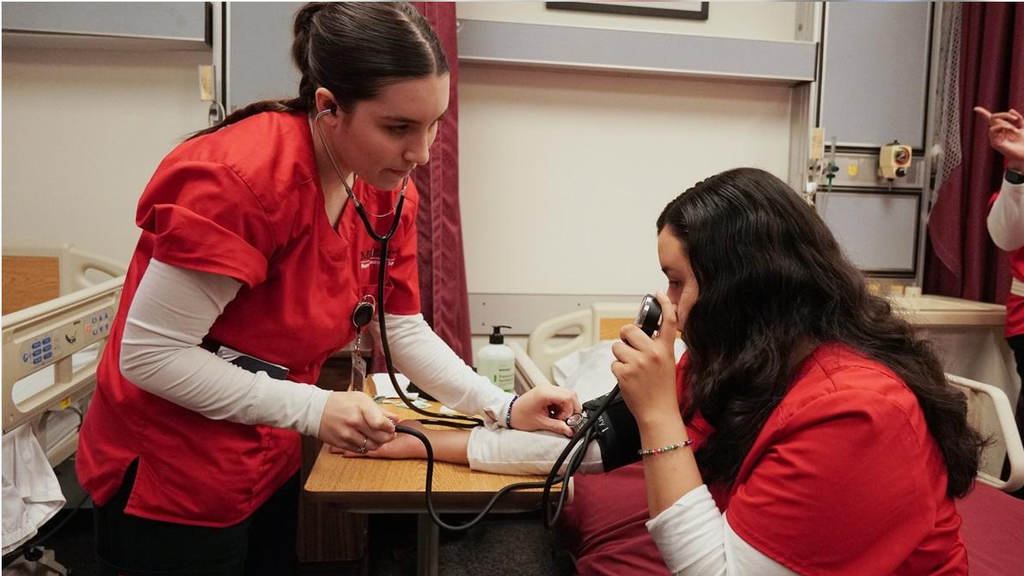
A recognised CNA qualification can provide access to entry-level patient care roles, particularly in the United States.
Potential workplaces include:
Nursing Homes
Nursing assistants help residents with daily activities, personal hygiene, mobility, meals, and comfort.
Hospitals
Hospital-based nursing assistants may support patients with basic care activities and help nursing teams monitor and report patient needs.
Assisted Living Facilities
These facilities provide support to people who need help with everyday activities while maintaining as much independence as possible.
Rehabilitation Centres
Nursing assistants may help patients with daily care during recovery, following instructions from the healthcare team.
Home Healthcare Services
Depending on local rules and employer requirements, trained nursing assistants may support individuals who need assistance at home.
Job responsibilities and permitted duties differ by workplace and jurisdiction. CNA training does not authorise a person to perform tasks reserved for licensed nurses or other healthcare professionals.
Skills Needed to Become a Successful CNA
A good nursing assistant needs more than technical knowledge. The role involves regular interaction with people who may be ill, elderly, recovering, or living with disabilities.
Important skills include:
- Communication: Explaining basic care activities and listening carefully to patients.
- Patience: Supporting individuals who may need extra time or assistance.
- Empathy: Treating patients with kindness and understanding.
- Attention to detail: Recording observations accurately and reporting changes.
- Physical stamina: Performing duties that may involve standing, walking, and assisting with mobility.
- Teamwork: Working with nurses and other healthcare professionals.
- Professionalism: Respecting privacy, confidentiality, and workplace procedures.
Developing these skills can improve patient experiences and help nursing assistants perform their responsibilities effectively.
Common Mistakes to Avoid When Enrolling in Online CNA Courses
Students should be cautious about misleading course advertisements and unrealistic certification promises.
Avoid these common mistakes:
- Assuming every online course provides certification: A completion certificate may not be a professional credential.
- Ignoring state requirements: CNA certification rules vary across the United States.
- Skipping practical training: Hands-on skills are an essential part of recognised CNA preparation.
- Paying before checking approval: Verify the programme with the relevant official authority.
- Ignoring additional expenses: Clinical training, materials, and examination fees may cost extra.
- Believing international certificates are automatically accepted: Recognition depends on the destination country and employer.
- Choosing a course only because it is cheap: Quality, approval, clinical access, and examination eligibility matter more than price alone.
Frequently Asked Questions About CNA Courses Online
1. Can I take CNA courses online?
Yes. Many providers offer online CNA theory lessons or hybrid training. However, students generally need supervised practical training to qualify for official CNA certification in the United States.
2. Can I become a certified nursing assistant without clinical training?
Generally, no. Approved CNA pathways require practical skills training and supervised experience. The exact requirements depend on the state.
3. How long does an online CNA course take?
Some programmes take around four to twelve weeks, although duration varies by provider and state requirements. Practical training and examination scheduling can affect the total time.
4. Are free CNA courses online available?
Some healthcare employers and government-supported programmes offer free or employer-funded training. CMS also recommends contacting local nursing homes to ask about training opportunities and possible reimbursement.
5. Do online CNA courses provide certificates?
Many online courses provide certificates of completion. However, this does not necessarily mean the certificate qualifies you for official CNA certification or employment.
6. Can international students enrol in CNA courses?
Some providers may accept international students, but eligibility varies. Students should confirm admission requirements, clinical placement arrangements, examination eligibility, and immigration or work authorisation requirements where relevant.
7. Are CNA courses online recognised in India?
Recognition is not automatic. CNA is primarily a US healthcare credential, and an online certificate should not be assumed to be equivalent to an Indian nursing qualification. Students should check local regulatory requirements and employer acceptance.
8. What subjects are included in CNA training?
Common subjects include basic nursing care, patient hygiene, infection control, vital signs, mobility assistance, nutrition, communication, patient safety, and professional ethics.
9. Can I work in a hospital after completing a CNA course?
You may qualify for certain entry-level patient care roles if you meet the employer’s requirements and hold the necessary recognised credential. Completing an introductory online course alone may not be sufficient.
10. Is CNA a good career option?
CNA work can be a meaningful entry point into patient care for people who enjoy helping others. However, candidates should understand the physical demands, responsibilities, employment requirements, and certification rules before choosing this career.
Conclusion
CNA courses online offer a flexible way to learn essential nursing assistant concepts and prepare for a career in patient care. Students can study subjects such as infection control, patient hygiene, vital signs, communication, and basic nursing responsibilities through online learning platforms.
However, online theory lessons alone generally do not provide everything required for recognised CNA certification in the United States. Practical training, clinical experience, and state-specific examination requirements remain important.
Before enrolling, verify the provider’s approval, course curriculum, clinical arrangements, total fees, and certification eligibility. International students, particularly those in India, should also confirm whether the qualification is recognised in their intended country of employment.
With careful research and the right training pathway, aspiring healthcare workers can build the knowledge and practical skills needed to pursue opportunities in patient care.