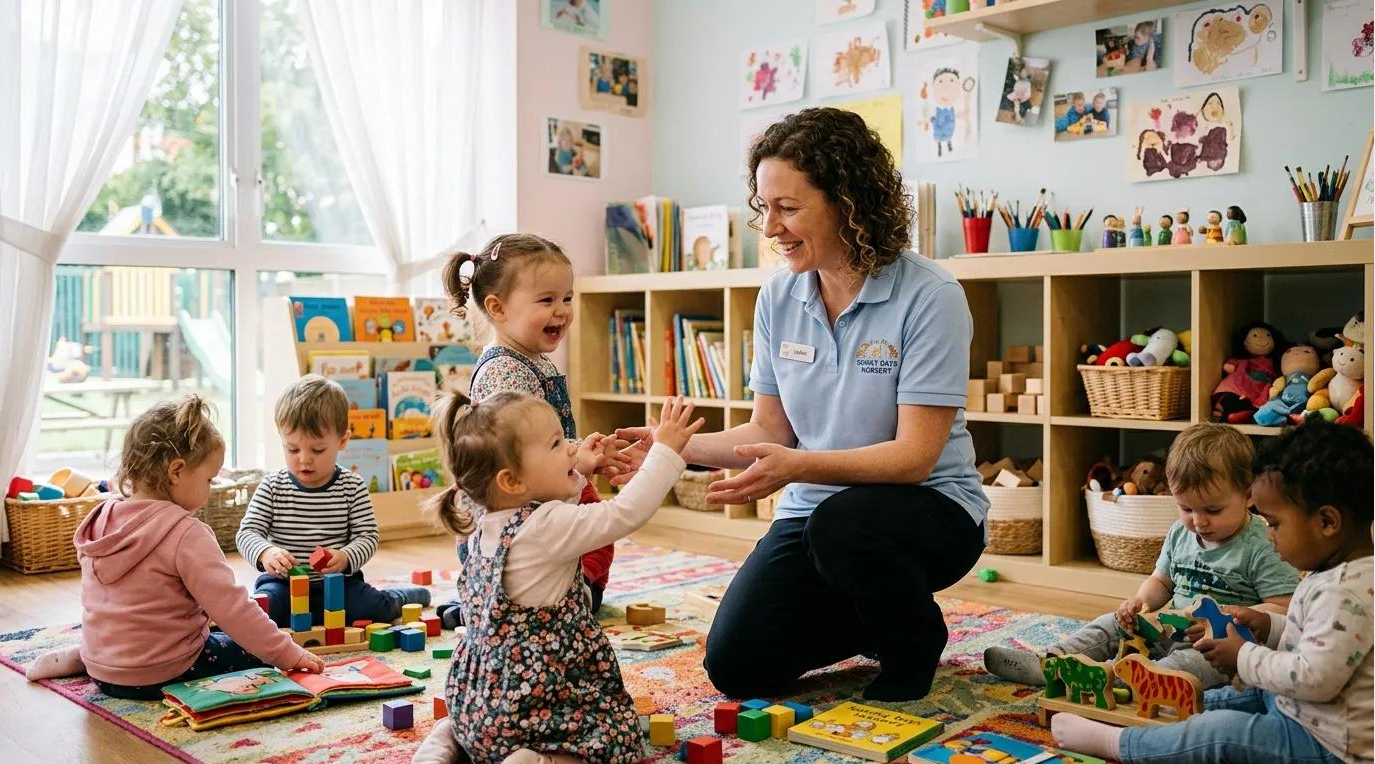
Early childhood education jobs offer an opportunity to support young children’s learning, development, and wellbeing during some of the most important years of their lives.
The field includes much more than preschool teaching. Depending on qualifications and experience, people can work as early childhood educators, teaching assistants, childcare workers, preschool teachers, special education professionals, family support workers, and childcare managers.
With growing interest in early learning and child development, early childhood education can be a rewarding career path for people who enjoy working with children and creating supportive learning environments.
What Are Early Childhood Education Jobs?
Early childhood education jobs involve educating, supporting, supervising, and caring for young children.
Job titles and requirements vary by country, state, employer, and age group. Common roles include:
- Preschool teacher
- Early childhood educator
- Teaching assistant
- Childcare assistant
- Nursery practitioner
- Childcare worker
- Special education support worker
- Early intervention professional
- Preschool room leader
- Childcare center manager
For example, the Maryland State Department of Education lists roles ranging from child care assistants and nursery school teachers to early childhood special educators, home visitors, coordinators, and professional development specialists.
Why Choose a Career in Early Childhood Education?
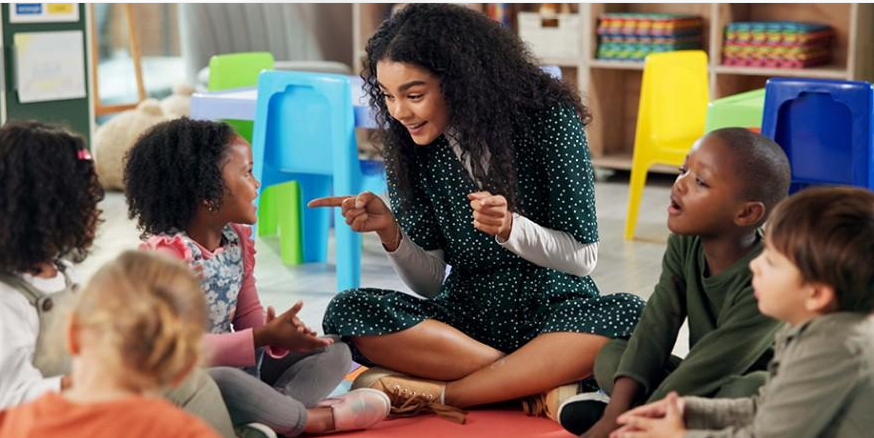
Working with young children can be both challenging and rewarding.
Early childhood professionals help children develop foundational skills that support their future education and everyday lives.
1. Make a Difference in Children’s Lives
Early childhood educators help children develop language, social skills, independence, creativity, and early academic abilities.
2. Variety of Career Paths
The field offers opportunities beyond traditional classroom teaching. With additional education and experience, professionals can move into leadership, administration, special education, training, or family support.
3. Develop Valuable Professional Skills
Working with young children can strengthen skills such as:
- Communication
- Patience
- Organization
- Creativity
- Teamwork
- Problem-solving
- Classroom management
- Observation
- Leadership
4. Opportunities in Different Settings
Early childhood professionals can work in:
- Preschools
- Nursery schools
- Childcare centers
- Kindergartens
- Schools
- Community organizations
- Early intervention programs
- Family support services
- Educational organizations
Popular Early Childhood Education Jobs
1. Preschool Teacher
A preschool teacher plans and delivers age-appropriate learning activities for young children.
Typical responsibilities include:
- Planning lessons and activities
- Supporting language development
- Teaching early mathematics concepts
- Encouraging creative play
- Observing children’s development
- Communicating with parents
- Creating a safe classroom environment
Preschool teachers need strong communication skills, patience, creativity, and an understanding of child development.
2. Early Childhood Educator
An early childhood educator supports children’s development through play, structured activities, observation, and daily routines.
Depending on local regulations, qualifications can range from introductory credentials to specialized early childhood education qualifications.
3. Teaching Assistant
Teaching assistants work alongside lead teachers to support classroom learning and children’s individual needs.
They may help prepare activities, supervise children, organize learning materials, and provide additional support during classroom activities.
Qualification requirements vary significantly by location. A recent National Institute for Early Education Research report found that assistant-teacher requirements differ across state-funded preschool programs, with some programs requiring credentials such as the Child Development Associate credential or equivalent.
4. Childcare Assistant
Childcare assistants help care for young children while supporting play and learning activities.
Responsibilities may include:
- Supervising children
- Helping with routines
- Organizing games
- Supporting meals and rest periods
- Maintaining a safe environment
- Assisting other educators
Some entry-level childcare positions may not require a specific early years qualification, while other positions have formal requirements.
5. Nursery Practitioner
Nursery practitioners work with young children in nursery settings, helping with both education and care.
They may organize play-based activities, support children’s development, help children settle into the environment, and monitor their progress.
6. Special Education Professional
Some early childhood professionals specialize in supporting children with developmental or learning needs.
These roles may require additional qualifications and specialized training.
7. Early Childhood Program Manager
With experience and appropriate qualifications, professionals can move into management.
Managers may supervise staff, coordinate programs, communicate with families, manage budgets, and ensure that health, safety, and child-protection requirements are followed.
Qualifications for Early Childhood Education Jobs

Requirements depend heavily on the specific role and location.
Entry-level positions may have fewer formal education requirements, while teacher, senior practitioner, special education, and management positions generally require more education or professional credentials.
For example, UK early-years career guidance notes that some preschool roles can be entered without a specific early-years qualification, while senior practitioner roles commonly require an approved Level 3 qualification. Early-years teacher positions have additional teacher-training requirements.
In the United States, requirements can vary by state and program. Some preschool assistant positions may accept a high school diploma or equivalent, while others require a Child Development Associate credential, college coursework, or another approved qualification.
Always check the requirements listed in the specific job advertisement and the regulations in your area.
Skills Needed for Early Childhood Education Careers
A qualification can help you enter the profession, but personal and professional skills are equally important.
Communication
Educators need to communicate clearly with children, parents, colleagues, and administrators.
Patience
Young children learn at different speeds. Patience helps educators respond positively to individual needs.
Creativity
Songs, stories, games, crafts, movement, and imaginative play can make learning engaging.
Observation
Educators need to notice children’s interests, behavior, progress, and possible areas where additional support may be useful.
Organization
Planning activities, maintaining records, preparing resources, and managing classroom routines require good organization.
Teamwork
Early childhood professionals often work closely with other teachers, assistants, specialists, and families.
How to Find Early Childhood Education Jobs
If you are looking for early childhood education jobs, start by identifying the type of role you want.
Step 1: Choose Your Career Level
Decide whether you are looking for:
- Entry-level childcare work
- Teaching assistant positions
- Preschool teaching
- Early childhood education
- Special education
- Leadership or management
Step 2: Check Qualification Requirements
Read each job description carefully. Requirements can include education, professional credentials, experience, background checks, first-aid training, or other certifications.
Step 3: Prepare Your Resume
Highlight relevant experience such as:
- Childcare experience
- Volunteer work
- Teaching experience
- Education qualifications
- Classroom experience
- First-aid training
- Communication skills
- Child-development knowledge
Step 4: Search Multiple Job Sources
Look at school websites, childcare centers, government employment portals, education organizations, and established job platforms.
Government career resources can also provide information about early-years roles and training pathways.
Early Childhood Education Jobs in India
In India, people interested in early childhood education may find opportunities in preschools, private schools, daycare centers, early learning centers, and education organizations.
Common job titles can include:
- Preschool teacher
- Nursery teacher
- Kindergarten teacher
- Montessori teacher
- Teacher assistant
- Daycare teacher
- Early childhood educator
- Academic coordinator
- Childcare worker
Requirements vary by institution. Some employers may prefer qualifications in early childhood education, Montessori education, elementary education, or related fields.
Government and education-related recruitment can also create opportunities. For example, current 2026 recruitment information includes assistant-teacher and preschool-related vacancies in different Indian programs and states.
Candidates should always verify recruitment notices through the relevant official government or institutional website before applying.
Career Growth in Early Childhood Education
Early childhood education can offer a progression from entry-level positions to more advanced roles.
A possible career path could look like:
Childcare Assistant → Teaching Assistant → Early Childhood Educator → Senior Educator → Room Leader → Center Manager
Professionals can also move into specialized areas such as special education, curriculum development, teacher training, family services, or early intervention.
Additional qualifications and experience can expand the range of positions available.
Benefits of Working in Early Childhood Education
Some potential benefits include:
- Meaningful work
- Opportunities to support children’s development
- Variety of career paths
- Opportunities for professional development
- Work in schools or childcare environments
- Potential progression into leadership
- Opportunities to specialize
The work can also be demanding. Educators need energy, patience, responsibility, and the ability to manage busy classroom environments.
Tips for Getting Your First Early Childhood Education Job
If you are starting your career, consider these practical tips:
- Gain experience with children through volunteering, internships, or childcare work.
- Study child development to understand how young children learn.
- Complete relevant training for the roles you want.
- Build a strong resume focused on transferable skills.
- Prepare for interviews by practicing questions about classroom situations.
- Create sample activities that demonstrate your ability to engage children.
- Continue professional development after getting your first job.
Frequently Asked Questions About Early Childhood Education Jobs
What are the most common early childhood education jobs?
Common positions include preschool teacher, early childhood educator, teaching assistant, childcare assistant, nursery practitioner, special education professional, and childcare manager.
Do I need a degree to work in early childhood education?
Not always. Requirements depend on the position and location. Some entry-level roles may require limited formal qualifications, while teaching and leadership positions often require specialized education or professional credentials.
Is early childhood education a good career?
It can be a rewarding career for people who enjoy working with young children, supporting their development, and creating positive learning environments.
What skills are important for early childhood educators?
Patience, communication, creativity, observation, organization, teamwork, and knowledge of child development are important skills.
Where can early childhood educators work?
They can work in preschools, nursery schools, childcare centers, schools, early intervention programs, community organizations, and other early-learning settings.
How can I get an early childhood education job with no experience?
Look for entry-level assistant or childcare positions, internships, volunteer opportunities, and training programs. Requirements vary by employer and location, so carefully review each vacancy.
Final Thoughts
Early childhood education jobs provide opportunities for people who want to combine education, creativity, and child development. From preschool teachers and teaching assistants to childcare managers and specialized educators, there are many career paths within the field.
The best starting point is to identify the role you want, understand its qualification requirements, gain practical experience, and continue developing your professional skills.
With the right preparation, an early childhood education career can become a meaningful long-term profession focused on helping young children learn, grow, and prepare for their future.