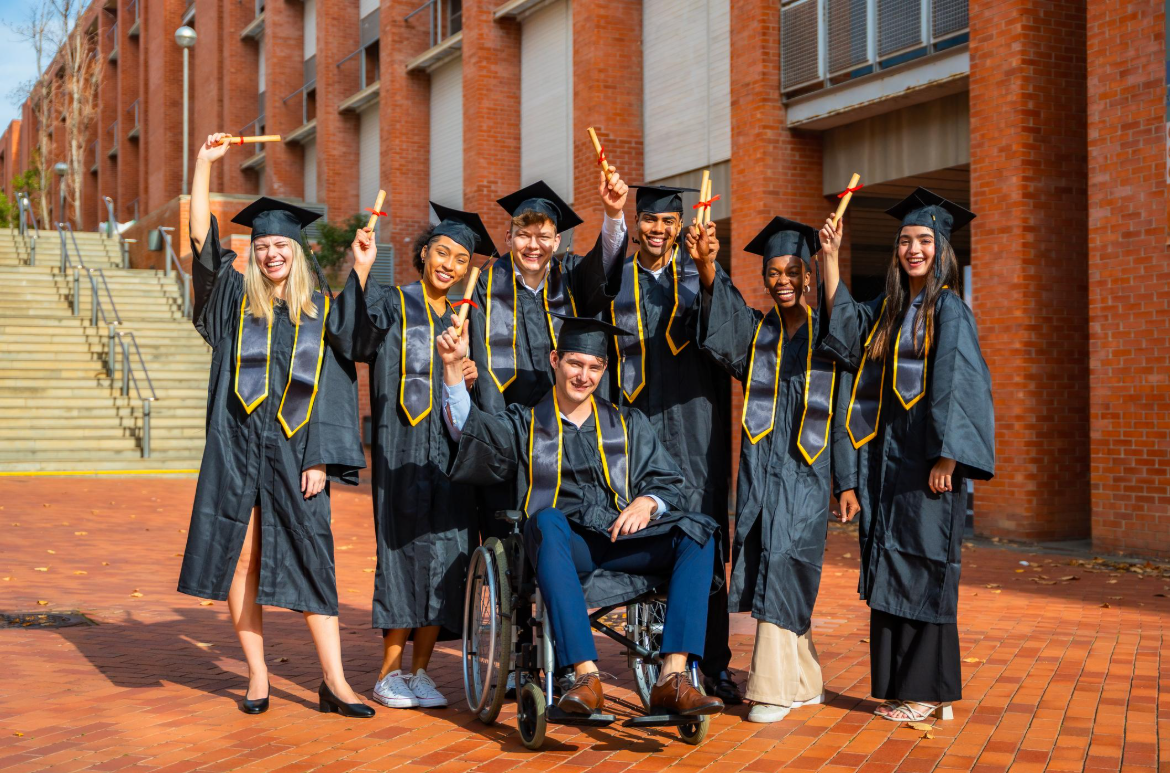
Education plays an essential role in shaping individuals, strengthening communities, and developing societies. It provides people with knowledge, practical skills, values, and the confidence needed to understand the world and make informed decisions. However, the purpose of education goes far beyond passing examinations, earning degrees, or getting a job.
The true purpose of education is to help people develop their abilities, think independently, become responsible citizens, and contribute positively to society. It prepares individuals for professional opportunities while also teaching them how to communicate, solve problems, respect others, and adapt to changing circumstances.
In today’s rapidly changing world, education is more important than ever. Technology, employment patterns, social expectations, and global challenges continue to evolve. A meaningful education system must therefore prepare learners not only for their first job but also for lifelong learning and responsible participation in society.
This article explains the purpose of education, its major goals, its benefits for individuals and communities, and why quality education matters for the future.
What Is the Purpose of Education?
The purpose of education is to develop a person’s intellectual, social, emotional, moral, and practical abilities. It helps individuals gain knowledge, understand different perspectives, develop useful skills, and become independent thinkers.
Education takes place in schools, colleges, universities, workplaces, families, and communities. It can be formal, informal, or non-formal.
Its main purposes include:
- Providing knowledge and understanding.
- Developing critical thinking and problem-solving skills.
- Preparing individuals for careers and employment.
- Building good character and responsible behaviour.
- Promoting equality and social awareness.
- Encouraging creativity and innovation.
- Developing communication and interpersonal skills.
- Preparing people for lifelong learning.
Education should not simply teach students what to think. It should help them learn how to think, ask meaningful questions, evaluate information, and make responsible choices.
10 Main Purposes of Education
Education serves several important purposes in an individual’s life and in society. The following objectives explain why learning is essential at every stage of life.
1. To Develop Knowledge and Understanding
One of the primary purposes of education is to provide knowledge about the world.
Students learn subjects such as mathematics, science, languages, history, geography, economics, and technology. These subjects help them understand natural processes, human behaviour, cultures, and social systems.
Knowledge also helps people distinguish reliable information from misinformation and make better decisions.
2. To Develop Critical Thinking Skills
Education teaches individuals to examine information rather than accept every statement without question.
Critical thinking allows learners to:
- Analyse problems.
- Compare different viewpoints.
- Evaluate evidence.
- Identify assumptions.
- Make logical decisions.
- Develop independent opinions.
These skills are valuable in education, professional life, and everyday situations.
3. To Prepare Students for Careers
Another important purpose of education is to prepare people for employment and professional development.
Schools and higher education institutions provide foundational knowledge, while vocational and technical programmes help learners develop practical skills.
Education can prepare individuals for careers in:
- Healthcare.
- Engineering.
- Information technology.
- Business and management.
- Education and research.
- Science and technology.
- Finance and accounting.
- Skilled trades and technical services.
However, career preparation should not be the only objective of education. A good education also develops personal judgement, creativity, and social responsibility.
4. To Build Character and Values
Education helps individuals understand the importance of honesty, discipline, responsibility, respect, fairness, and kindness.
Schools and other learning environments provide opportunities to practise these values through teamwork, classroom activities, community projects, and interactions with others.
Character development helps learners become responsible members of their families, workplaces, and communities.
5. To Promote Equality and Social Justice
Education can help reduce social and economic inequalities by expanding access to knowledge, skills, and opportunities.
When children and adults from different backgrounds receive quality education, they gain better opportunities to participate in society and improve their circumstances.
Inclusive education should provide fair learning opportunities regardless of gender, disability, income, location, or social background.
6. To Encourage Creativity and Innovation
Education should give students opportunities to explore ideas, experiment, ask questions, and develop original solutions.
Creative learning can involve:
- Art and music.
- Scientific experiments.
- Writing and storytelling.
- Design and technology.
- Research projects.
- Practical problem-solving.
Creativity is important not only in artistic professions but also in business, science, engineering, and everyday life.
7. To Develop Communication Skills
Education helps learners express their ideas clearly and communicate with different people.
Students develop communication abilities through reading, writing, presentations, discussions, debates, and group activities.
Strong communication skills support personal relationships, teamwork, leadership, and professional success.
8. To Promote Social Responsibility
Education teaches people about their rights, duties, communities, and responsibilities.
It can encourage learners to understand social issues, respect diversity, protect the environment, and participate constructively in public life.
Responsible citizens are better equipped to contribute to peaceful and inclusive communities.
9. To Support Personal Growth and Confidence
Education helps people discover their interests, recognise their strengths, and work on areas where they need improvement.
Learning new subjects and developing practical abilities can increase self-confidence and independence.
Education also encourages curiosity, adaptability, emotional awareness, and the willingness to learn from mistakes.
10. To Encourage Lifelong Learning
Learning does not end when a person graduates from school or university.
People continue learning through professional training, online courses, reading, workplace experience, personal interests, and interactions with others.
Lifelong learning helps individuals adapt to new technologies, changing career requirements, and developments in society.
Importance of Education in Personal Development
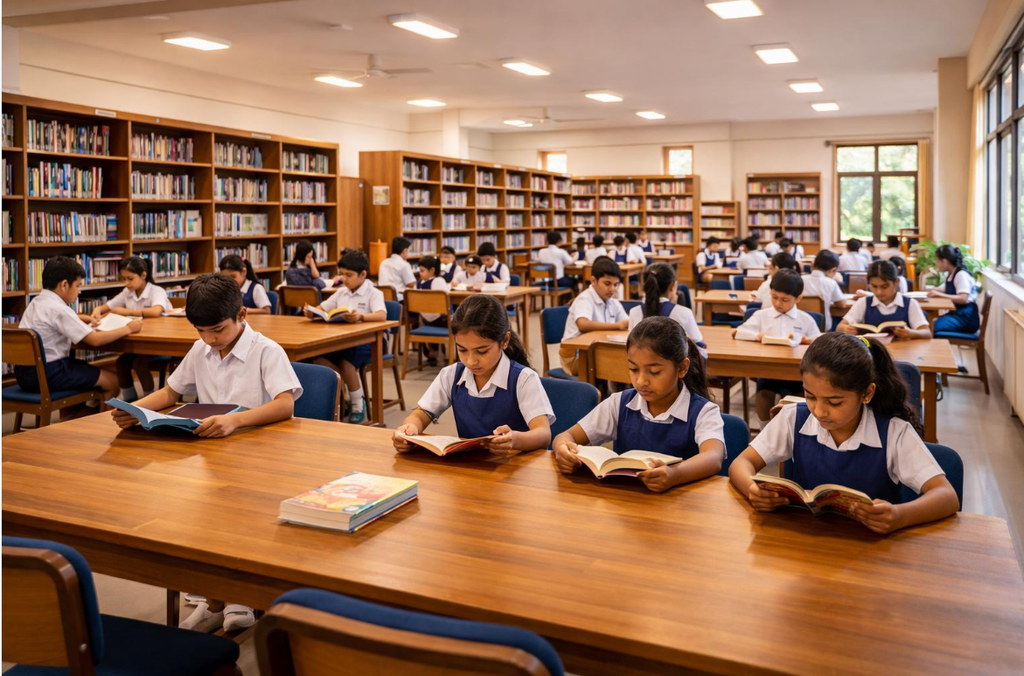
Education contributes to the overall development of individuals. It supports intellectual growth while also improving practical abilities and social awareness.
Intellectual Development
Education develops memory, reasoning, analytical thinking, and the ability to understand complex ideas.
Emotional Development
Learning environments can help students develop patience, confidence, empathy, self-awareness, and the ability to manage challenges.
Social Development
Students learn how to cooperate, communicate, respect differences, and work with people from different backgrounds.
Moral Development
Education encourages learners to understand ethical principles and consider how their actions affect others.
Practical Development
Practical education helps people apply knowledge to real-life situations, solve everyday problems, and develop useful skills.
Purpose of Education in Society
Education does not benefit individuals alone. It also contributes to the development and stability of communities and nations.
1. Economic Development
An educated workforce can contribute to productivity, innovation, entrepreneurship, and economic growth.
People with relevant knowledge and skills can support businesses, develop new technologies, and improve the quality of services.
2. Poverty Reduction
Access to quality education can improve employment opportunities and help individuals develop the skills needed to increase their earning potential.
Education is not a complete solution to poverty, but it is an important tool for expanding economic and social opportunities.
3. Gender Equality
Education helps girls and women access information, employment, leadership opportunities, and greater independence.
Equal educational opportunities can strengthen families and communities while reducing barriers to participation.
4. Social Harmony
Education can encourage mutual respect, cultural understanding, tolerance, and cooperation among people with different beliefs and backgrounds.
5. Scientific and Technological Progress
Schools, universities, and research institutions develop the knowledge and skills needed for scientific discovery and technological innovation.
6. Democratic Participation
Education helps citizens understand public issues, evaluate information, and participate more thoughtfully in democratic processes.
UNESCO recognises education as a fundamental human right and an important foundation for peace, inclusion, and sustainable development.
Different Types of Education and Their Purposes
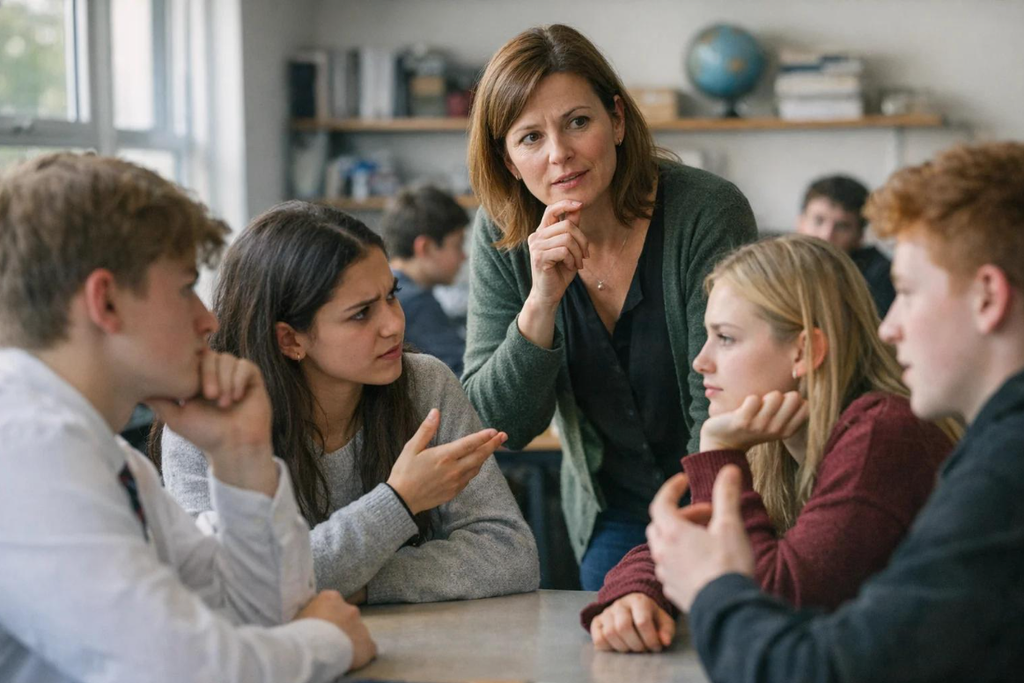
Education is not limited to traditional classroom teaching. Different forms of learning serve different purposes.
Formal Education
Formal education takes place through recognised schools, colleges, universities, and other educational institutions.
Its purpose is to provide structured learning, academic knowledge, recognised qualifications, and opportunities for further study or employment.
Informal Education
Informal education takes place through everyday experiences, family interactions, reading, travel, conversations, and personal interests.
It helps individuals develop practical understanding and learn from the world around them.
Non-Formal Education
Non-formal education includes organised learning outside traditional academic systems.
Examples include:
- Skill development programmes.
- Vocational training.
- Community education.
- Adult literacy classes.
- Professional workshops.
- Short-term certificate courses.
Its purpose is to provide flexible learning opportunities for people with different needs and circumstances.
Technical and Vocational Education
Technical and vocational education focuses on practical knowledge and occupation-specific skills.
It prepares learners for careers in areas such as electrical work, healthcare support, manufacturing, hospitality, information technology, and other skilled professions.
Purpose of Education in the Modern World
The purpose of education continues to evolve as societies face new opportunities and challenges.
Modern education must prepare students to use technology responsibly, evaluate digital information, work with others, and adapt to changes in employment and society.
Digital Literacy
Students need to understand how to use digital devices, online platforms, and technology safely and effectively.
Artificial Intelligence Awareness
As AI becomes more common, learners need to understand its uses, limitations, ethical considerations, and potential impact on work and society.
Environmental Awareness
Education can help learners understand climate change, natural resources, biodiversity, and sustainable development.
Financial Literacy
Students benefit from learning about budgeting, saving, banking, responsible borrowing, and financial decision-making.
Global Citizenship
Modern education should encourage respect for cultural differences and awareness of international issues, human rights, and shared responsibilities.
Role of Teachers in Achieving the Purpose of Education
Teachers play a central role in helping students develop knowledge, confidence, and useful life skills.
Their responsibilities go beyond explaining lessons or preparing students for examinations.
Effective teachers:
- Encourage curiosity and independent thinking.
- Explain difficult concepts clearly.
- Create inclusive learning environments.
- Support students with different learning needs.
- Encourage discussion and collaboration.
- Provide constructive feedback.
- Help students develop confidence.
- Connect classroom learning with real-life situations.
A supportive teacher can help students recognise their potential and develop a positive attitude towards learning.
Role of Parents in Education
Parents and families also contribute significantly to a child’s education.
They can support learning by creating a positive environment, encouraging curiosity, and helping children develop good study habits.
Parents can:
- Encourage regular reading.
- Support homework and learning activities.
- Communicate with teachers.
- Promote positive values.
- Recognise individual interests and abilities.
- Help children manage setbacks.
- Encourage responsible technology use.
Education becomes more effective when families, teachers, schools, and communities work together.
Challenges That Prevent Education From Achieving Its Purpose
Although education has the power to transform lives, several challenges can limit its effectiveness.
1. Unequal Access
Children in remote areas and economically disadvantaged communities may have limited access to schools, teachers, learning materials, and digital resources.
2. Poverty and Financial Barriers
School fees, transportation, household responsibilities, and the cost of learning materials can prevent children from continuing their education.
3. Outdated Teaching Methods
Excessive dependence on memorisation and examination scores may limit creativity, practical learning, and critical thinking.
4. Shortage of Trained Teachers
A lack of qualified and supported teachers can affect classroom quality and student learning outcomes.
5. Digital Divide
Not all students have equal access to computers, internet connections, and digital learning resources.
6. Inadequate Focus on Practical Skills
Students may complete academic programmes without gaining enough experience in communication, problem-solving, financial literacy, or workplace skills.
Addressing these challenges requires investment in teachers, inclusive learning environments, relevant curricula, infrastructure, and equal educational opportunities.
What Should Be the Ultimate Goal of Education?
The ultimate goal of education should be to help people become knowledgeable, capable, ethical, independent, and socially responsible individuals.
A successful education system should not measure achievement only through examination results or qualifications. It should also consider whether learners can apply knowledge, solve problems, work with others, make informed decisions, and continue learning throughout their lives.
Education should help individuals build meaningful lives while contributing to a fairer, healthier, more peaceful, and sustainable society.
UNESCO’s Sustainable Development Goal 4 reflects this wider purpose by calling for inclusive and equitable quality education and lifelong learning opportunities for all.
Frequently Asked Questions About the Purpose of Education
1. What is the main purpose of education?
The main purpose of education is to develop knowledge, skills, values, critical thinking, and responsible behaviour. It prepares individuals for personal growth, employment, and meaningful participation in society.
2. Why is education important in life?
Education helps people understand the world, make informed decisions, develop careers, communicate effectively, and improve their quality of life.
3. What are the five main purposes of education?
Five major purposes are knowledge development, career preparation, character building, social responsibility, and personal growth.
4. Is the purpose of education only to get a job?
No. Employment preparation is important, but education also develops creativity, independent thinking, ethical behaviour, communication, and lifelong learning abilities.
5. What is the purpose of education in society?
Education supports economic development, social equality, scientific progress, democratic participation, cultural understanding, and community well-being.
6. What is the role of education in personal development?
Education supports intellectual, emotional, social, moral, and practical development. It helps individuals recognise their strengths, build confidence, and become more independent.
7. What is the purpose of modern education?
Modern education should prepare people for changing careers, digital technology, artificial intelligence, environmental challenges, global cooperation, and lifelong learning.
8. Why is lifelong learning important?
Lifelong learning helps people update their knowledge, develop new skills, adapt to technological changes, and respond to new personal and professional opportunities.
Conclusion
The purpose of education extends far beyond textbooks, examinations, and academic qualifications. It is a lifelong process that helps individuals develop knowledge, skills, values, confidence, and the ability to make responsible decisions.
Education prepares people for employment, but it also teaches them how to think critically, communicate effectively, respect others, and contribute to their communities.
For society, education supports economic progress, equality, innovation, peace, and sustainable development. For individuals, it creates opportunities for personal growth and a more independent and meaningful life.
Ultimately, the true purpose of education is not simply to produce successful students but to help develop capable, thoughtful, responsible, and lifelong learners.